Is Renting Really “Throwing Money Away”?
Renting is not necessarily “throwing money away” because it provides a place to live without the financial responsibilities and risks of owning a home. Although buying a property can help build equity over time, renting may be the smarter financial choice depending on housing costs, personal circumstances, and long-term goals.
For years, people have repeated the idea that renting a home is throwing money away while buying a property is always a smarter financial decision. The argument sounds simple: when you rent, your monthly payments go to a landlord, but when you buy, you gradually build ownership. Although this reasoning contains some truth, it overlooks the many costs, risks, and lifestyle considerations involved in owning a home.

The reality is that renting is not necessarily a waste of money, and buying is not automatically the better investment. The right decision depends on your financial situation, housing market, future plans, and the value you place on flexibility and stability.
Key Takeaways
- Renting is not necessarily throwing money away: Rent pays for housing, flexibility, and a place to live without the responsibilities of ownership.
- Buying a home can build equity: Mortgage principal payments increase ownership, while property appreciation may provide additional financial benefits.
- Homeownership comes with hidden costs: Mortgage interest, maintenance, property taxes, insurance, and transaction fees can significantly increase the total cost.
- Renting can offer greater financial flexibility: It may allow people to avoid large upfront costs and invest their savings elsewhere.
- Long-term plans matter: Buying may be more beneficial for those planning to stay in one location for many years, while renting can suit people who value mobility.
- Retirement needs careful planning: Owning a mortgage-free home can reduce housing expenses, but renting may still be practical depending on income and lifestyle.
- Compare total costs before deciding: The best choice depends on affordability, investment opportunities, financial stability, and personal priorities.
Why People Believe Renting Is a Waste of Money
The traditional argument against renting is based on the idea of building equity. When someone purchases a home with a mortgage, part of each monthly payment reduces the outstanding loan balance. Over time, the homeowner owns a larger share of the property, assuming the mortgage is being repaid.
Renters, on the other hand, do not acquire ownership of the property through their monthly payments. Once the rent is paid, that money cannot be recovered simply because the tenant lived in the home for another month.
This difference can make buying appear to be the obvious financial choice, especially over a long period.
However, the comparison is incomplete. Homeowners must also pay interest on their mortgages, property-related taxes and fees, insurance where applicable, maintenance, and repairs. These expenses do not automatically build equity. Some costs, such as mortgage interest and routine maintenance, are payments for the cost of financing or using the property rather than acquiring ownership.
Renting also provides a place to live. That is a real benefit, even if the tenant does not receive an ownership stake in return.
The Hidden Costs of Owning a Home
Buying a home is often presented as a way to build wealth, but ownership comes with financial responsibilities that are easy to underestimate.
Mortgage interest
A mortgage payment typically includes both principal and interest. The principal reduces the loan balance, while interest is the cost of borrowing money.
During the early years of many repayment schedules, a substantial portion of each payment goes toward interest. Although the homeowner is building equity, the amount accumulated may initially be smaller than expected.
Maintenance and repairs
Homeowners are responsible for keeping their properties in good condition. Roof repairs, plumbing problems, heating systems, electrical work, and appliance replacements can create significant expenses.
Some costs are predictable, while others arrive unexpectedly. A major repair can consume savings that a homeowner intended to use for other investments or financial goals.
Property taxes, fees, and insurance
Depending on the location, ownership may involve property taxes, building insurance, condominium fees, shared maintenance charges, and other expenses.
These payments can add considerably to the cost of owning a home. Apartment owners may also face special assessments when a building needs substantial repairs or improvements.
Transaction costs
Buying and selling property can involve legal fees, taxes, agent commissions, registration costs, and other charges. These expenses matter particularly when someone sells after only a few years.
A homeowner who moves frequently may discover that the costs of entering and leaving the property market significantly reduce the financial benefits of ownership.
When Renting Can Be the Smarter Financial Decision
Renting can make sense when it supports a person’s financial priorities better than purchasing a property.

1. When you need flexibility. People who may relocate for employment, education, family responsibilities, or personal reasons can benefit from renting. Selling a home takes time and money, while ending a rental arrangement may be considerably simpler, subject to the lease terms.
2. When buying would stretch your budget. Purchasing a property with an unaffordable mortgage can leave little room for emergencies, healthcare, retirement savings, or everyday expenses. Renting a suitable home while maintaining a healthy financial reserve may be more prudent than becoming a homeowner under financial pressure.
3. When property prices are high relative to rents. In some markets, buying a home costs considerably more each month than renting a comparable property. If the difference is invested consistently rather than spent, renting may produce a competitive long-term financial outcome.
4. When you can invest your savings elsewhere. A home purchase often requires a down payment and additional transaction costs. Renting may leave more money available for diversified investments, retirement accounts, education, or starting a business.
The important consideration is what happens to the money that remains available. Renting does not automatically create wealth. The financial advantage is stronger when the renter saves and invests consistently.
When Buying a Home Makes More Sense
Despite the costs of ownership, purchasing a home can be an excellent long-term decision.
You plan to stay for many years
The longer you stay in a property, the more time you have to spread out the initial transaction costs. Mortgage payments can gradually reduce the outstanding debt, while a fixed-rate mortgage, where available, may provide greater predictability in principal and interest payments.
Rent can also increase over time, depending on the rental agreement and local regulations. Long-term ownership can therefore offer greater housing stability.
You want to build equity
Every portion of the mortgage principal repaid increases your ownership stake, assuming the property has no other changes in its financing. If the property appreciates in value, your equity may grow further.
However, appreciation is not guaranteed. Property prices can stagnate or decline, and selling costs can reduce the amount ultimately received.
You value control over your home
Homeownership gives people greater freedom to renovate, decorate, and adapt their living space, subject to building regulations and other applicable restrictions.
For families who want a stable home for many years, this independence can be just as important as the financial benefits.
You want long-term housing security
Owning a fully paid-off home can reduce housing expenses substantially during retirement. Owners will still need to cover maintenance, utilities, taxes, fees, and other applicable costs, but they no longer have a monthly rent payment or mortgage principal and interest to manage.
For people approaching retirement, this potential reduction in housing costs can be particularly valuable.
Renting vs. Buying: A Practical Comparison
| Factor | Renting | Buying |
|---|---|---|
| Initial cost | Usually a deposit and moving expenses | Down payment, transaction costs, and other fees |
| Monthly payments | Rent and agreed household expenses | Mortgage, maintenance, taxes, fees, and insurance where applicable |
| Building equity | No equity in the rented property | Equity generally grows as mortgage principal is repaid |
| Repairs | Often the landlord’s responsibility, depending on the agreement | Generally the owner’s responsibility |
| Flexibility | Usually greater | Lower because selling takes time and money |
| Property appreciation | No direct ownership benefit | Possible financial gain, but not guaranteed |
| Long-term stability | Depends on the lease and rental market | Greater control, subject to financial and legal obligations |
Neither option is universally superior. The comparison depends on the total cost of each arrangement and what the household does with its available resources.
A Simple Example: Where Does the Money Really Go?
Imagine two people who each have a monthly housing budget of $1,000.
One rents an apartment for $1,000 per month. The other buys a comparable property with a mortgage payment of $800 per month, plus an average of $200 in maintenance, fees, insurance, and other ownership expenses.
At first glance, the two arrangements cost the same.
However, the homeowner’s $800 mortgage payment may include both principal and interest. The principal portion builds equity, while the interest and other ownership expenses generally do not. The renter builds no equity in the apartment but may have the opportunity to invest savings if renting costs less than owning.
To make a fair comparison, the calculation must also consider the down payment, investment returns, changes in rent, mortgage terms, property appreciation or depreciation, and the costs of buying and selling.
The example demonstrates why comparing rent with the mortgage payment alone can be misleading. A proper comparison looks at the total cost of housing and the value of the assets accumulated over time.
What About the Opportunity Cost of a Down Payment?
One of the most overlooked aspects of buying a home is the money used for the down payment.
Suppose a buyer uses $40,000 of savings to purchase a property. That money becomes part of the buyer’s investment in the home, but it is no longer available for other purposes without borrowing against the property or selling it.
If the buyer rents instead, that $40,000 could potentially be invested elsewhere. The future result would depend on investment returns, taxes, fees, risk, and whether the renter actually keeps the money invested.
This is known as opportunity cost: the potential benefit given up when choosing one financial option over another.
Neither choice guarantees a better result. Property ownership concentrates a substantial amount of wealth in a single asset, while alternative investments carry their own risks.
Is Renting a Waste of Money in Retirement?
For retirees, the question becomes particularly important because income may be more limited and predictable than during working years.
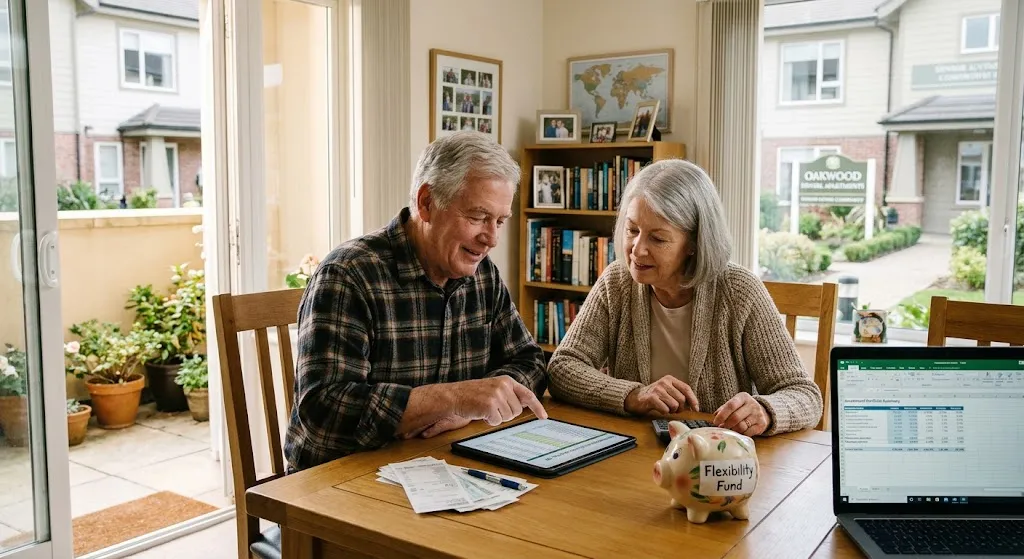
Owning a home without a mortgage can provide considerable financial security. It reduces the need to allocate part of a pension or retirement income to rent, although ongoing property expenses remain.
Nevertheless, renting in retirement is not necessarily a mistake. Some retirees prefer smaller homes, convenient locations, or the ability to move closer to family without managing a property. Others may have enough savings to cover rent while preserving investments or avoiding expensive repairs.
The better choice depends on the pension or other income available, savings, health and mobility needs, housing costs, and family circumstances.
A person should not purchase a home simply because renting is considered socially undesirable. Nor should someone sell a suitable, affordable home without carefully considering the cost of finding alternative accommodation.
The goal is to achieve sustainable housing costs and financial security, not to satisfy a general rule about homeownership.
How to Decide Which Option Is Right for You
Before deciding whether to rent or buy, consider these five questions:
- How long do I expect to live in the same location? A longer time horizon generally makes it easier to absorb the costs of purchasing a property.
- Can I afford the full cost of ownership? Include maintenance, taxes, fees, insurance where applicable, and an emergency reserve—not just the mortgage payment.
- What would happen to my savings if I rented? Consider whether you would realistically invest the difference or use it for other expenses.
- How stable is my income? A mortgage can become burdensome if income falls, while rent increases can also create pressure on a household budget.
- What matters most to me? Flexibility, stability, independence, investment growth, and peace of mind are all legitimate priorities.
A decision that works well for a young professional may not be appropriate for a family with children or a retiree living on a fixed income. Financial circumstances change, and housing choices should reflect those changes.
Final Thoughts: Renting Is Paying for Housing, Not Throwing Money Away
The statement that renting is throwing money away oversimplifies one of life’s most significant financial decisions.
Rent pays for the use of a home, just as mortgage interest, maintenance, and other ownership expenses pay for the costs associated with living in a property. The main distinction is that homeownership can build equity, while renting does not provide ownership of the rented property.
Buying can be an effective way to build wealth and secure long-term housing, particularly when the property is affordable and the owner plans to stay for many years. Renting can be equally reasonable when it offers flexibility, avoids excessive financial commitments, or allows a person to invest money more effectively elsewhere.
The smartest choice is not necessarily to own a home. It is to choose a housing arrangement that supports your financial well-being, long-term goals, and quality of life.
After all, money spent on a safe and comfortable place to live is not automatically wasted. What matters is whether the decision makes sense for your circumstances today and your financial security tomorrow.
Frequently Asked Questions
No, renting is not necessarily throwing money away. It provides housing and flexibility without the upfront costs and ongoing responsibilities of homeownership.
No, buying is not always better. The right choice depends on property prices, mortgage costs, maintenance expenses, financial stability, and how long you plan to stay.
Yes, renting can be cheaper when mortgage payments and other ownership expenses exceed the cost of renting a comparable property.
Renting does not build equity in the property, but renters can potentially build wealth by investing their savings and the money they would otherwise spend on homeownership.
It depends on your financial situation. Owning a mortgage-free home can reduce housing expenses, while renting may offer greater flexibility and fewer maintenance responsibilities.
Related posts:
 How to Stop Overthinking and Feel Calmer
 TikTok-Famous Food Trends: Viral Recipes and Kitchen Hacks That Took Over 2025
 Making Mistakes Safely: The Smarter Way to Learn Trading with Quotex
 Is the Traditional Classroom Model Still Relevant in the Age of Hybrid Learning?
 Smart Borrowing: Tips for Choosing an Auto Loan You Can Afford