The Minimalist Lifestyle: Why More People Are Choosing to Live With Less
TL;DR: The minimalist lifestyle is about intentionally owning fewer things and focusing on what truly adds value to your life. By reducing clutter, spending more mindfully, and prioritizing experiences over possessions, many people find greater financial freedom, lower stress, and improved mental clarity. Minimalism isn’t about deprivation—it’s about creating space for what matters most.
A few years ago, the minimalist lifestyle mostly conjured images of stark white apartments with a single chair and nothing on the walls. It looked more like an art installation than a way to actually live. That image has aged out. Today, minimalism looks less like an aesthetic and more like a decision — a deliberate pushback against the accumulation, debt, and clutter that defines so much of modern life.
It’s showing up everywhere: in how people shop, how they travel, how they think about their careers, even how they raise their kids. But what does it actually mean to live minimally, and why are so many people, across such different walks of life, gravitating toward it right now?
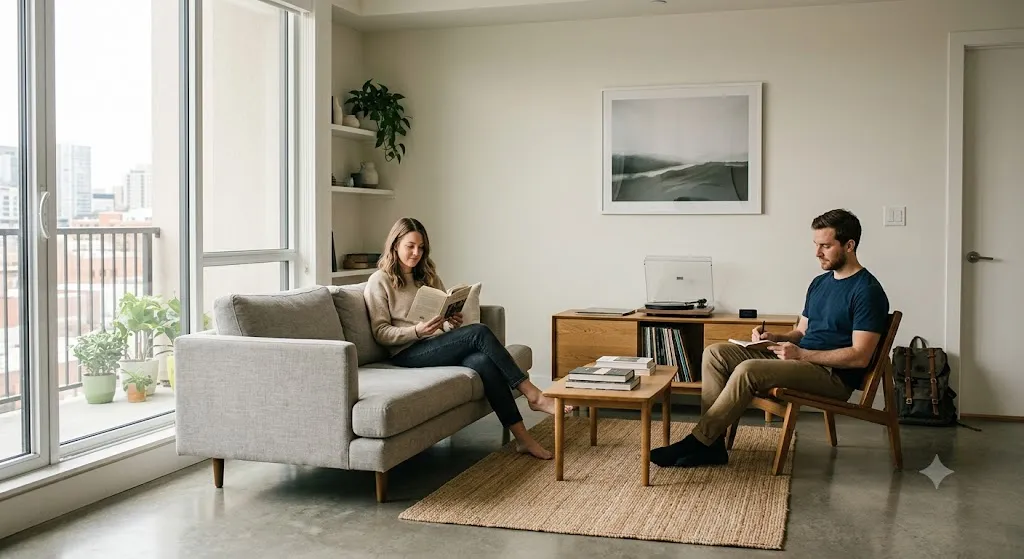
Minimalism is a lifestyle focused on intentionally owning fewer possessions, reducing unnecessary spending, and prioritizing experiences, financial freedom, and mental well-being over material accumulation.
Key Takeaways
- Minimalism means intentional ownership.
- Buying less saves money.
- Decluttering reduces stress.
- Experiences often bring greater happiness.
- Small daily habits make minimalism sustainable.
What Is a Minimalist Lifestyle?
A minimalist lifestyle is a way of living that focuses on owning fewer possessions, reducing unnecessary consumption, and prioritizing experiences, relationships, financial freedom, and personal well-being.
What Minimalism Actually Means
Strip away the Instagram version of minimalism — the perfectly styled shelves, the capsule wardrobes photographed in soft natural light — and what’s left is a fairly simple idea: own fewer things, and be intentional about the things you do own.
That’s it. There’s no required number of items, no rule that says you can only have 33 pieces of clothing or fit your possessions into a single backpack, despite what certain viral challenges might suggest. Minimalism isn’t a competition to see who can live with the least. It’s a filter. Before something enters your home, your schedule, or your life, you ask whether it earns its place.
The Minimalists, Joshua Fields Millburn and Ryan Nicodemus, who’ve become something like the movement’s most recognized voices, describe it simply as a tool to rid your life of excess in favor of focusing on what’s important — so you can find happiness, fulfillment, and freedom. Note what’s missing from that definition: there’s no mention of a specific number of possessions, no dogma about owning only black t-shirts. The emphasis is on freedom, not restriction for its own sake.
Where This Is Coming From
Minimalism as a concept isn’t new. Its philosophical roots stretch back through Stoicism, through Buddhist teachings on non-attachment, through the Shaker communities of 18th-century America who built plain, functional furniture as a spiritual discipline. What’s changed is the context surrounding it.
Consumer culture in the last few decades has been built on a promise that was always a little too convenient: that buying things would make life better. Bigger houses, more cars, more clothes, more gadgets. For a long time, plenty of people bought into that promise, often literally, financing it with credit.
Somewhere in the last fifteen years or so, a noticeable number of people started to notice the promise wasn’t holding up. Bigger houses meant more to clean and more to maintain. More clothes meant more decisions to make every morning, more clutter to manage, more money spent replacing things that fast fashion was never built to last. The 2008 financial crisis forced a lot of households to cut back out of necessity, and some of them discovered, almost by accident, that they didn’t miss what they’d lost. Social media, ironically, both fueled overconsumption and gave the minimalist backlash a place to organize and spread.
Add in growing anxiety about climate change and the environmental cost of constant consumption, and you’ve got a fairly clear picture of why minimalism found such fertile ground.
What It Looks Like Day to Day
Minimalism isn’t a single lifestyle so much as a set of principles that get applied differently depending on the person. A few patterns tend to show up consistently, though.
Decluttering as an ongoing practice, not a one-time event. Most people who adopt a minimalist mindset start with some version of a purge — going room by room, deciding what stays and what goes. But the real shift happens afterward, when decluttering stops being an event and becomes a habit. New items get evaluated before they come home, not after they’ve already piled up.
Buying less, buying better. Rather than replacing a pair of shoes every season, minimalists tend to invest more upfront in things built to last, then use them until they’re actually worn out. This shows up in everything from kitchenware to furniture to clothing.
Intentional spending over impulse spending. A lot of minimalist practice is really just financial mindfulness wearing a different name. Before a purchase, the question isn’t just “can I afford this” but “does this add value to my life, or is it filling some other gap — boredom, stress, comparison to someone else.”
Digital minimalism. The philosophy has extended well beyond physical objects into how people manage their attention. Unsubscribing from marketing emails, deleting unused apps, turning off non-essential notifications, and being more deliberate about time spent on social media are now considered part of the same broader project.
Experiences over accumulation. Many people who adopt minimalist habits report redirecting the money they used to spend on things toward travel, classes, or time with family instead — based on research suggesting that experiences tend to produce more lasting satisfaction than material purchases.
The Financial Case for Minimalism
It’s worth being blunt about one of the biggest drivers behind this shift: money. Living with less tends to cost less, and for a lot of people, that’s reason enough on its own.
Fewer purchases means more savings. Smaller living spaces mean lower rent, lower utility bills, less to insure. A smaller wardrobe means fewer decisions and less spent chasing trends that are designed to feel outdated within a season. Multiply those savings over years, and the difference between a maximalist and minimalist approach to spending can mean the gap between living paycheck to paycheck and actually building savings or paying down debt.
Some people take this further, pursuing what’s sometimes called FIRE — financial independence, retire early — where minimalist spending habits are treated as a direct lever for reaching financial freedom decades sooner than a conventional career and spending path would allow. Not everyone pursuing minimalism has retirement in mind, but the underlying math is the same regardless of the end goal: spend less than you earn, and the gap compounds in your favor over time.
The Mental Load of Clutter
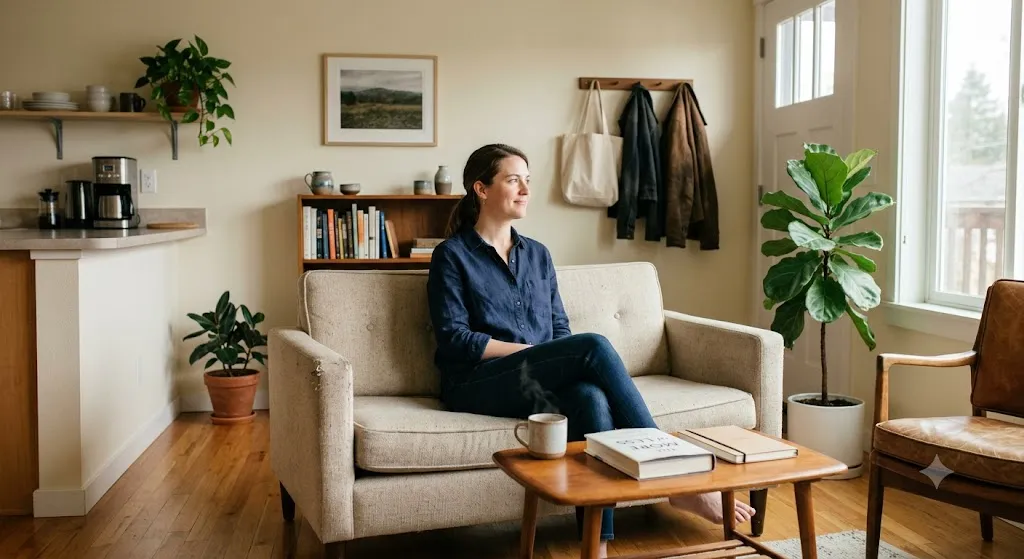
There’s a psychological dimension here too, and it’s not just anecdotal. Researchers at UCLA’s Center on Everyday Lives of Families spent years studying how clutter affects household stress, and found that cluttered homes were associated with elevated cortisol levels, particularly among the women in the households they studied, who tended to describe their homes using words like “chaotic” or “stressful” far more often than their partners did.
The theory behind this isn’t complicated. Every object in your field of vision is competing, in some small way, for your attention. A cluttered desk, a closet stuffed past capacity, a garage you can’t park in — each of these represents unfinished business, a decision deferred. Multiply that across a home full of unused, unsorted, or unnecessary items, and it adds up to a background hum of low-grade stress that most people don’t even consciously register, but that shows up anyway in how tired or overwhelmed they feel at home.
Minimalism, in this light, isn’t really about the objects at all. It’s about reducing the number of small decisions and distractions competing for your mental bandwidth, so there’s more of it left over for things that actually matter.
It’s Not About Deprivation
Some studies and popular minimalism discussions estimate that American households contain hundreds of thousands of individual items. The biggest misconception about minimalism is that it’s about sacrifice — giving things up, living smaller, wanting less. In practice, most people who’ve actually adopted the lifestyle describe the opposite experience. They’re not focused on what they’ve given up; they’re focused on what they’ve gained: time, money, mental clarity, and a home that feels calmer to be in.
It’s also worth saying plainly that minimalism looks different depending on your circumstances. A single person in a studio apartment and a family of five in a suburban house are not going to apply these principles identically, and that’s fine. There’s no minimalist certification board. The versions of minimalism that stick tend to be the ones that get quietly adapted to fit an actual life, rather than the rigid, aesthetic versions that look better in photos than they feel to live in.
Getting Started, Without Overhauling Your Life Overnight
For anyone curious but overwhelmed by where to begin, most experienced minimalists recommend starting small rather than attempting a dramatic, all-at-once transformation. Pick one drawer, one shelf, one category of items — books, or kitchen gadgets, or clothes you haven’t worn in a year — and work through just that. Notice how it feels. For most people, that small taste is enough to want to keep going.
The bigger point isn’t the size of your closet or the number of items you own. It’s building a habit of asking, before something enters your life, whether it deserves to be there. That question, applied consistently, tends to do most of the work on its own.
Minimalist Lifestyle Benefits
Living with less tends to pay off in ways people don’t expect until they try it. Less clutter means less to clean, organize, and worry about, which frees up real time and mental energy. Many people find they save more money too, since minimalism naturally cuts down on impulse buying.
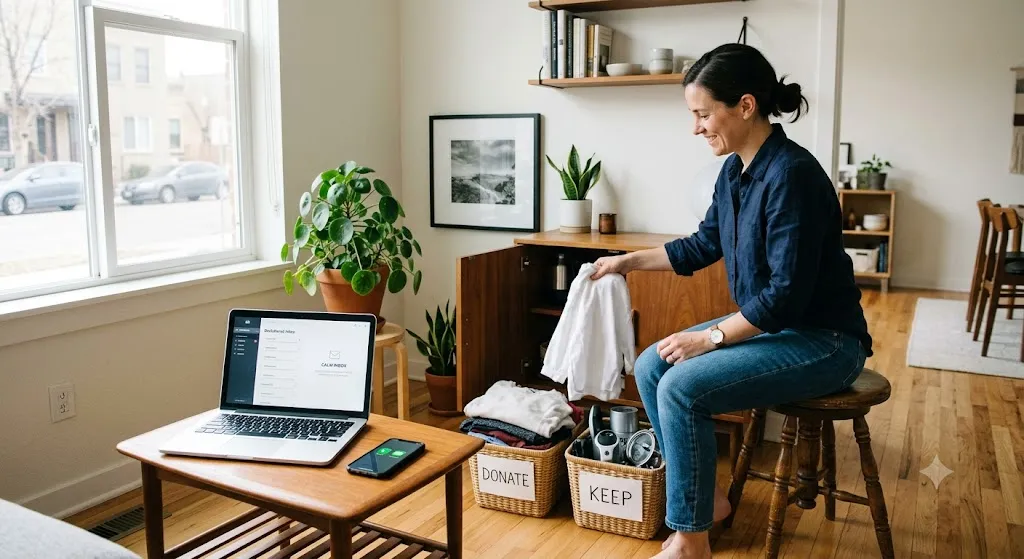
On top of that, a simpler space often just feels calmer — fewer things competing for your attention means more room to focus on what actually matters, whether that’s relationships, work, or just having a quiet home to come back to.
How to Practice Minimalism
Minimalism isn’t about following strict rules — it’s about being intentional. Start by decluttering one area at a time, like a closet or a junk drawer, and ask whether each item actually adds value to your life. From there, try to slow down on new purchases: give yourself a day or two before buying something non-essential, and see if you still want it.
It also helps to extend the mindset beyond physical stuff — cutting down on notifications, unsubscribing from clutter in your inbox, and being more selective about how you spend your time all count as minimalist habits too.
Minimalism for Beginners
If the idea of minimalism feels overwhelming, the key is to start small. Don’t try to overhaul your entire home in a weekend — pick one shelf, one drawer, or one category of items and work through just that. Notice how it feels to have less to manage in that one space before moving on to the next.
There’s no official minimalist checklist or number of items you’re supposed to own; it’s simply about building the habit of asking whether something deserves a place in your life. Most beginners find that once they get a taste of that clarity, they naturally want to keep going.
The Bottom Line
Minimalism isn’t a trend that showed up out of nowhere, and it’s not really about owning as little as possible for its own sake. It’s a response — to consumer culture, to financial pressure, to the quiet exhaustion of managing too much stuff and too many decisions. Strip away the aesthetic packaging, and what’s left is a fairly practical idea: own less, but own it on purpose. For a growing number of people, that turns out to be a far more freeing way to live than accumulating ever was.
Minimalism isn’t about having less for the sake of having less. It’s about creating more space for the people, experiences, and goals that matter most. By intentionally choosing what deserves a place in your life, you gain something far more valuable than possessions—clarity, freedom, and peace of mind.
About the Author
Ana Milojevik writes about lifestyle, personal development, technology, and everyday decisions. Her articles focus on practical research-based insights that help readers simplify their lives and make informed choices.
Frequently Asked Questions
The minimalist lifestyle is a way of living that focuses on intentionally owning fewer possessions and making thoughtful decisions about what you bring into your life. Rather than accumulating more, minimalists prioritize quality, purpose, and experiences over material possessions.
A minimalist lifestyle can help reduce stress, save money, simplify daily routines, and create a more organized living space. Many people also report improved focus, better financial habits, and more time for relationships, hobbies, and personal growth.
Start small by decluttering one room, drawer, or category of belongings at a time. Before buying something new, ask yourself whether it genuinely adds value to your life. Building small habits gradually is often more effective than trying to change everything at once.
No. Decluttering is one part of minimalism, but the minimalist lifestyle goes beyond organizing your home. It also includes intentional spending, mindful consumption, digital simplicity, and focusing on experiences rather than accumulating possessions.
Absolutely. Minimalism looks different for every household. Families can embrace minimalist principles by reducing unnecessary clutter, buying intentionally, organizing shared spaces, and focusing on quality time together instead of accumulating more belongings.
Yes. Since minimalism encourages intentional purchasing and avoiding impulse buying, many people naturally spend less and save more. Over time, these habits can help reduce debt, build savings, and improve overall financial well-being.
Yes. Many people practice digital minimalism by reducing screen time, deleting unused apps, turning off unnecessary notifications, organizing digital files, and spending less time on social media. The goal is to reduce distractions and focus on what matters most.
The five common principles of minimalism are intentional ownership, mindful consumption, reducing clutter, prioritizing experiences, and focusing attention on what brings value to life.
Related posts:
 How to Stop Overthinking and Feel Calmer
 TikTok-Famous Food Trends: Viral Recipes and Kitchen Hacks That Took Over 2025
 Making Mistakes Safely: The Smarter Way to Learn Trading with Quotex
 Is the Traditional Classroom Model Still Relevant in the Age of Hybrid Learning?
 Smart Borrowing: Tips for Choosing an Auto Loan You Can Afford