Why People Are Mean: 7 Psychological Reasons Behind Rude Behavior
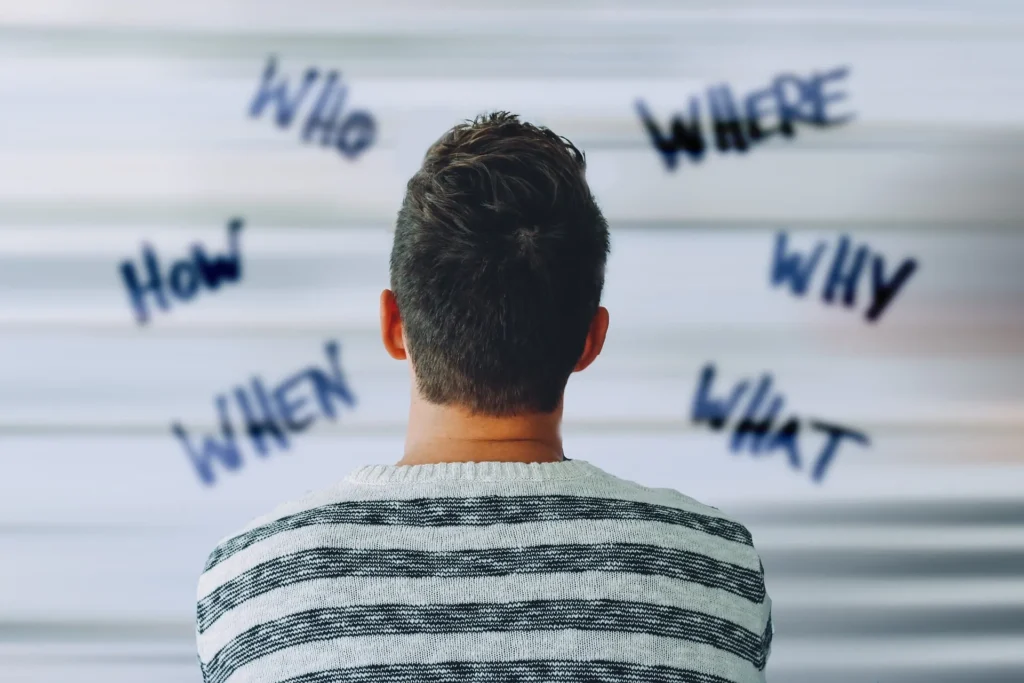
We all encounter mean or rude behavior at some point in life—at work, online, in public, or even from people we know personally. It can feel confusing, hurtful, and sometimes even personal.
But here’s an important truth: meanness is often less about you and more about what’s happening inside the other person.
Psychology shows that rude behavior usually has deeper emotional, mental, or environmental causes. Understanding these reasons doesn’t excuse harmful behavior—but it can help you respond with more clarity, emotional control, and less internal stress.
Below are 7 psychological reasons why people are mean or rude.
1. Insecurity and Low Self-Esteem
One of the most common reasons behind rude behavior is insecurity.
People who feel unsure about themselves may try to:
- Put others down to feel better
- Act overly critical or sarcastic
- Dominate conversations to hide self-doubt
Psychologically, this is known as “defensive behavior.” Instead of facing their own insecurities, they project them outward.
👉 In simple terms:
Someone who feels small inside may try to make others feel smaller too.
2. Stress and Emotional Overload
Stress can drastically change how people behave.
When someone is overwhelmed by:
- Work pressure
- Financial problems
- Family conflict
- Lack of sleep or burnout
…their emotional control weakens.
As a result, they may become:
- Irritable
- Short-tempered
- Impatient or rude without thinking
This doesn’t justify bad behavior, but it explains why normally kind people can sometimes act harsh under pressure.
👉 Stress reduces emotional “buffering,” making reactions more extreme.
3. Learned Behavior from Environment
Many people simply repeat what they grew up with.
If someone was raised in an environment where:
- Criticism was normal
- Anger was frequently expressed
- Respect was not modeled
…they may unconsciously adopt the same behavior patterns.
Psychologists call this behavioral modeling—we learn how to treat others by observing those around us.
👉 In many cases, meanness is not taught directly—it is absorbed.
4. Lack of Emotional Intelligence
Emotional intelligence is the ability to:
- Understand your own emotions
- Recognize how others feel
- Respond appropriately in social situations
People with low emotional awareness may:
- Say hurtful things without realizing impact
- Misread social cues
- Struggle with empathy
They are not always intentionally mean—they simply lack the tools to communicate better.
👉 This is why education in emotional skills is so important in modern society.
5. Power and Control Dynamics
Sometimes people are mean because it gives them a sense of control.
This can happen in:
- Work environments
- Relationships
- Social groups
When someone feels powerful, they may:
- Assert dominance through criticism
- Use sarcasm or humiliation
- Dismiss others’ opinions
Psychologically, this can be linked to authority reinforcement behavior—where control becomes more important than kindness.
👉 In short: some people confuse power with superiority.
6. Jealousy and Comparison
Jealousy is a powerful emotional trigger for rude behavior.
When someone sees another person:
- Succeeding
- Being liked
- Or achieving something they want
…it can create internal discomfort.
Instead of processing that feeling positively, they may:
- Make negative comments
- Downplay others’ success
- Act cold or dismissive
👉 Meanness becomes a defense mechanism against envy.
7. Projection of Internal Pain
Perhaps the most important psychological reason is projection.
People who are dealing with:
- Past trauma
- Emotional pain
- Unresolved anger
- Loneliness or sadness
…may unintentionally project that pain onto others.
They are not reacting to you specifically—they are reacting from their own internal struggle.
👉 Hurt people often hurt people—not because they want to, but because they haven’t healed.
Why Understanding This Matters
Knowing these reasons doesn’t mean you should accept disrespect. Instead, it helps you:
- Stop taking everything personally
- Respond with emotional awareness instead of reaction
- Set healthier boundaries
- Protect your peace of mind
Understanding behavior is not about excusing it—it is about freeing yourself from unnecessary emotional damage.
How to Respond to Mean Behavior
Here are a few grounded ways to handle rude people:
- Don’t match their energy
- Stay calm and observe, not react
- Set clear boundaries when needed
- Distance yourself from repeated negativity
- Remember: their behavior reflects them, not your value
Final Thoughts
People are rarely just “mean for no reason.” Behind most rude behavior lies insecurity, stress, learned patterns, or emotional pain.
When you understand this, something powerful happens—you stop seeing every rude moment as personal, and start seeing it as human complexity.
And that shift alone can bring more emotional peace than trying to change how others behave.
FAQ: Why People Are Mean
1. Why are some people mean to others?
People can act mean due to insecurity, stress, learned behavior, or emotional struggles. It is often more about their internal state than the person they are targeting.
2. Does being mean always mean someone is a bad person?
Not necessarily. Many people act rude under pressure or emotional distress. However, repeated harmful behavior should still be addressed with boundaries.
3. Why are people nicer to some and mean to others?
Behavior often depends on context, power dynamics, mood, and personal comfort. People may act differently depending on who they are interacting with.
4. Can stress make people more rude?
Yes. High stress, lack of sleep, and emotional overload can reduce patience and self-control, leading to irritability or rude responses.
5. How should I respond to mean behavior?
Stay calm, avoid reacting emotionally, and set clear boundaries when needed. Protecting your peace is more important than changing their behavior.
6. Is meanness learned or natural?
It is mostly learned from environment and life experiences, though emotional regulation and personality also play a role.
7. Can people change if they are mean?
Yes, especially if they become aware of their behavior and develop emotional intelligence and self-awareness.
About the Author
Ana Milojevik is a writer and contributor at Quotela.net, a general-interest publication covering business, health, technology, travel, personal development, quotes, and digital trends. She enjoys researching practical topics and creating informative content that helps readers discover new ideas, insights, and useful perspectives.
Related posts:
 How to Improve Decision Making Every Day
 TikTok-Famous Food Trends: Viral Recipes and Kitchen Hacks That Took Over 2025
 Making Mistakes Safely: The Smarter Way to Learn Trading with Quotex
 Is the Traditional Classroom Model Still Relevant in the Age of Hybrid Learning?
 Smart Borrowing: Tips for Choosing an Auto Loan You Can Afford