Why Are More Traders Exploring Synthetic Trading?
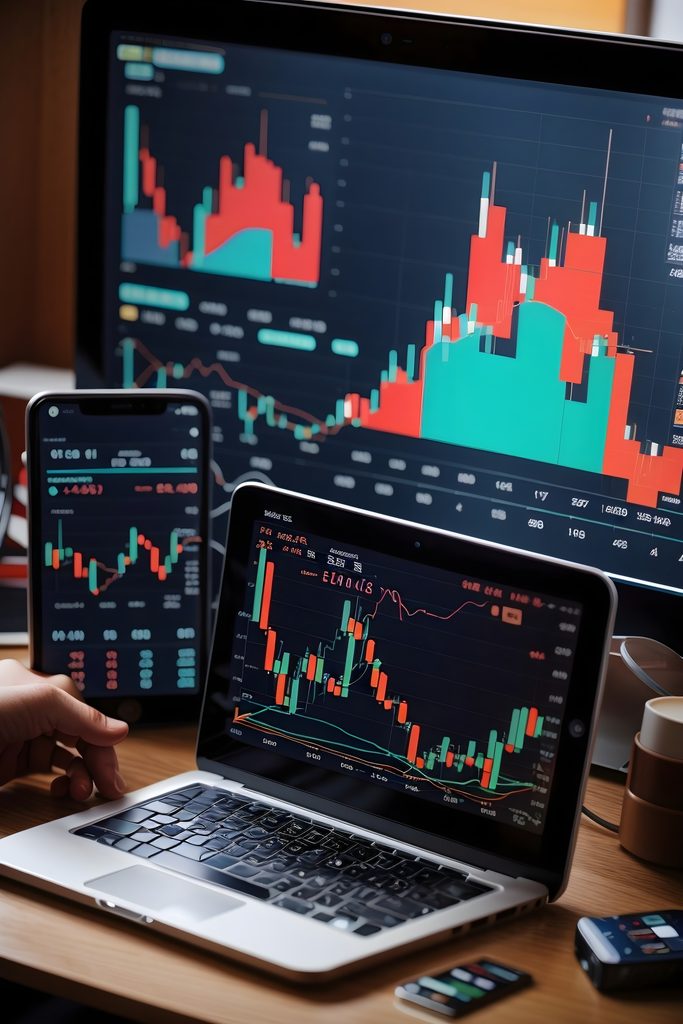
Because the financial markets are constantly changing, traders looking for flexible ways to profit from price swings have several options. Synthetic trading is growing in popularity because it lets people trade based on synthetic market data rather than the performance of conventional financial markets. Synthetic trading is accessible all the time and offers a range of trading conditions and therefore should be an option for both novice and experienced traders.
Here are some of the reasons why traders are exploring synthetic trading:
24-Hour Market Access
The fact that synthetic trading is available 7 days a week, 24 hours a day, hugely contributes to its popularity. Synthetic indices differ from traditional stock and forex markets that have limited trading hours and floors. With synthetic indices, traders can trade at any time of the day or night, including weekends and public holidays. This kind of trading can be useful for people who have other personal responsibilities and can’t follow the financial market during normal trading hours.
Opportunities in Different Market Conditions
Traders also try synthetic trading to test different market conditions. Synthetic indices are designed to simulate market phenomena such as high volatility, rapid fluctuations, and persistent trends. This provides traders with the chance to learn the ways of finding trends, breakouts, reversals, and other market behaviors. Technology creates algorithms to drive synthetic indices’ price movements, not by looking at news related to the economy, politics, or company profit.
Accessibility for Novice Traders
It can be intimidating to begin trading in finance, especially for people who are not familiar with financial news, economic statistics, or movements in international markets. Learning how price movements are driven and how various trading methods are used can be made easier with the help of synthetic trading. Before investing real money, novices can practice using virtual cash in demo accounts offered by numerous trading platforms. If you’re asking yourself the question, when did synthetic indices start?, this can typically be linked to Deriv, previously Binary.com, which launched its synthetic indices in 2016. You can go to this website to check out these instruments and others, and the potential to amplify your returns.
Flexible Trading Method
There is a whole range of synthetic trading options available to suit your needs, type of trading, and experience level. Some trade short-term, based on scalping techniques. Others use longer time frames to identify wider price trends. Technical analysis knowledge is vital in synthetic trading, as technical indicators like moving averages, Bollinger Bands, and Relative Strength Index (RSI) are available for all traders to keep track of price movement.
More Regulated Trading Conditions
The real market is driven by the behavior of prices under the influence of normal forces, while synthetic indices create the atmosphere of the market where prices change on their own. Traders will be able to monitor and understand the reasons for price changes without paying attention to unemployment data, central bank news, and political events. Additionally, some brokers provide traders with different instruments of different volatility, so they can pick the markets for their synthetic trading strategies. However, having more control over trading conditions does not necessarily mean having more control over profit.
Conclusion
Synthetic trading is more popular because of its constant availability, opportunity for different trading conditions, accessibility for traders, and flexibility of strategies. Such opportunities help traders to hone their skills and experience a different trading environment. New traders should use demo accounts and make sure that they understand how the instruments they trade work and practice the right risk management techniques before they start trading for real money.
Related posts:
 How to Stop Overthinking and Feel Calmer
 TikTok-Famous Food Trends: Viral Recipes and Kitchen Hacks That Took Over 2025
 Making Mistakes Safely: The Smarter Way to Learn Trading with Quotex
 Is the Traditional Classroom Model Still Relevant in the Age of Hybrid Learning?
 Smart Borrowing: Tips for Choosing an Auto Loan You Can Afford