What Causes Revenge Bedtime Procrastination?
You finally get a little peace at 11:43 p.m. The emails have stopped, the dishes are done, and nobody needs anything from you. So instead of going to bed, you scroll, watch one more episode, or start browsing things you do not even care about. If you have ever wondered what causes revenge bedtime procrastination, the answer usually has less to do with laziness and more to do with control, stress, and the feeling that the day never really belonged to you.
Revenge bedtime procrastination is the habit of delaying sleep to reclaim personal time. The word revenge sounds dramatic, but it fits. It describes a quiet pushback against a schedule that feels too full, too demanding, or too draining. People stay up late not because they do not know sleep matters, but because late night becomes the only part of the day that feels personal.
What causes revenge bedtime procrastination in the first place?
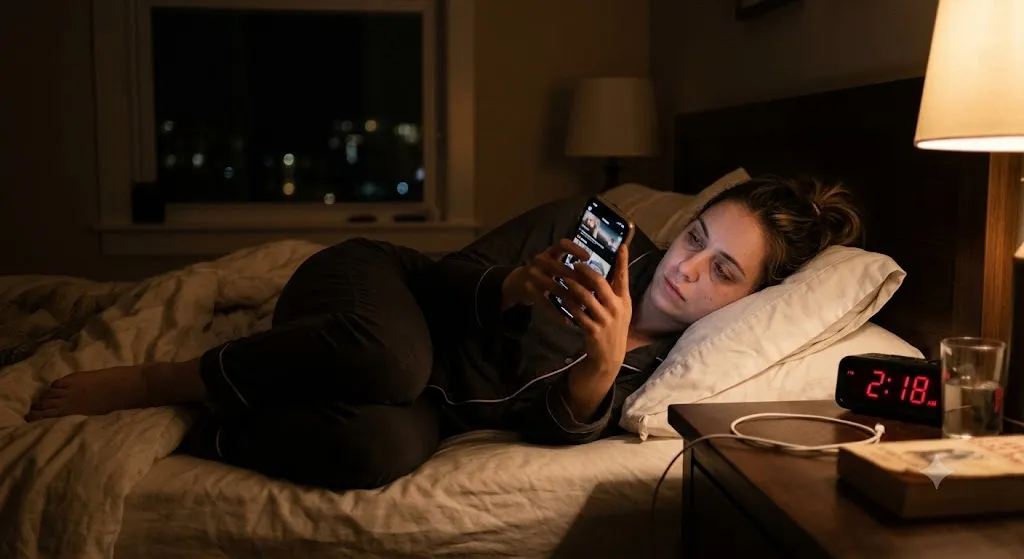
At its core, this behavior is often caused by a gap between what your body needs and what your day gives you. When your waking hours feel dominated by work, caregiving, commuting, chores, or constant notifications, bedtime can turn into the first real chance to do something freely chosen.
That is why this pattern shows up so often in busy professionals, parents, students, and anyone living under pressure. It is not just poor time management. It is often a form of emotional compensation. You lose autonomy during the day, then try to buy it back at night.
There is also a mental mismatch at work. During the day, you may be operating in obligation mode, moving from one task to the next. At night, your brain shifts and says, now it is my turn. The trouble is that your brain wants relief at exactly the same time your body needs rest.
The psychology behind revenge bedtime procrastination
One major driver is stress. When people are mentally overloaded, they tend to seek low-effort rewards. Late-night scrolling, gaming, snacking, or streaming all offer easy pleasure with very little effort. After a draining day, your brain is not looking for what is best long term. It is looking for what feels good right now.
Another common cause is decision fatigue. If you have spent the whole day making choices, solving problems, and responding to other people, your self-control is lower by night. That makes it harder to shut the laptop, put down the phone, and choose sleep even when you know it is the smart move.
There is also the issue of identity. Many adults feel they are constantly performing roles – employee, partner, parent, caregiver, manager. Late at night can feel like the only time they get to be themselves. In that sense, bedtime procrastination is not really about avoiding sleep. It is about protecting a small pocket of freedom.
For some people, perfectionism plays a part too. If the day did not feel productive enough, they may stay up trying to finish one more task or reclaim a sense of accomplishment. Others do the opposite and rebel against productivity entirely by doing nothing useful at all. Different behaviors, same root feeling: the day did not satisfy some emotional need.
Why screens make the problem worse
Technology does not create revenge bedtime procrastination on its own, but it makes the habit easier to sustain. Your phone is an endless menu of stimulation. It offers novelty, distraction, entertainment, social connection, and the illusion of downtime all in one place.
That matters because tired brains crave friction-free rewards. If staying up late required effort, fewer people would do it. But with a phone in hand, there is no stopping point built in. One video becomes six. One quick check becomes forty minutes.
Blue light and stimulating content can also push sleep further away. Even if your original reason for staying up was emotional, screens can turn a 20-minute delay into a two-hour problem. This is where revenge bedtime procrastination stops feeling like a choice and starts becoming a loop.
What causes revenge bedtime procrastination for different people?
The exact trigger depends on the person. For some, it is a packed schedule with no breathing room. For others, it is emotional depletion. Someone working long shifts may stay up because the evening is their only private time. A parent may delay sleep because nighttime is the only moment without demands. A remote worker may do it because work has blurred into home life and the day never had a clean finish.
People with anxiety may be especially vulnerable. Quiet at night can bring a strange mix of relief and restlessness. Sleep requires letting go, and that can be difficult when the mind is still revving. In that case, procrastinating bedtime can be part comfort-seeking, part avoidance.
People who struggle with ADHD traits may also find bedtime hard to stick to. A tendency toward time blindness, impulsivity, or hyperfocus can make late nights especially easy to slip into. That does not mean every late sleeper has ADHD, but it does show that this habit is not always explained by simple discipline.
It is not always a bad habit in the simple sense
How to Combat Your Desire for Sleep Procrastination!
This is where nuance matters. Revenge bedtime procrastination is not a sign that someone does not care about their health. Often, it reflects an unmet need for rest of a different kind – mental rest, emotional space, or unstructured time.
That does not make it harmless. Chronic sleep loss can affect mood, concentration, metabolism, and relationships. But if you only treat the behavior and ignore the reason behind it, the fix rarely lasts. Telling yourself to go to bed earlier without changing the pressure in your life can feel like one more demand piled onto an already overloaded day.
In other words, the late bedtime is the symptom. The real issue may be a schedule that feels too rigid, too crowded, or too joyless.
How to break the cycle without making nights feel worse
The most effective approach is not to punish yourself into better sleep. It is to reduce the need for revenge in the first place.
Start by looking at your day, not just your night. If you have no personal time until 10 p.m., your brain will keep fighting for it. Even 15 to 30 minutes of intentional time earlier in the evening can help. That might mean a walk without your phone, reading for pleasure, music, stretching, or simply sitting without being productive. The goal is to stop your brain from seeing bedtime as the only chance to exist on your own terms.
It also helps to create a shutdown ritual. Many people do not actually end the day – they just fade out of it. A short routine like dimming lights, putting work away, washing up, and setting your phone across the room gives your mind a clearer signal that the day is done.
If screens are the main trap, make the first step smaller than a full digital detox. You do not need a perfect evening routine overnight. Try setting one boundary that is realistic, such as no social apps after a certain time or charging your phone away from the bed. Simple changes tend to stick better than ambitious ones.
There is a mindset shift worth making too. Free time does not only count if it happens late at night. A lot of people protect nighttime leisure because it feels earned. But rest and enjoyment are not rewards for overextension. They are part of a healthy day. Once that idea starts to sink in, the urge to steal time from sleep often eases.
When the issue may be bigger than bedtime
If you are consistently staying up late and feel unable to stop, it may be worth asking whether the problem is only about habit. Burnout, chronic stress, anxiety, depression, and poor work-life boundaries can all fuel this pattern.
That does not mean every late bedtime points to a serious issue. Sometimes the fix really is better evening structure. But if your nights feel like your only refuge, that is useful information. It may be a sign that something about your routine, workload, or emotional health needs attention.
For readers who come to Quotela for both clarity and a little encouragement, here is the hopeful part: this habit is not proof that you are failing at adulthood. It is often a signal that you need more ownership over your time. When your days feel more livable, your nights usually stop needing revenge.
A better bedtime starts earlier than bedtime itself. Give yourself a little more space while the day is still happening, and sleep stops feeling like something that steals your freedom.
Key Takeaways
- Revenge bedtime procrastination is the habit of delaying sleep to reclaim personal time after a day filled with responsibilities, obligations, or stress.
- The behavior is often linked to a lack of control or autonomy during the day, rather than laziness or poor discipline.
- Stress and emotional exhaustion can drive late-night scrolling, streaming, gaming, or other low-effort rewards that provide temporary relief.
- Decision fatigue makes it harder to choose sleep at the end of the day, even when you know rest is important.
- Many people use late-night hours to reconnect with their identity and personal interests, especially when they spend the day fulfilling multiple roles.
- Smartphones and digital devices can worsen the problem by offering endless entertainment and stimulation that make it difficult to stop.
- Different factors can trigger revenge bedtime procrastination, including demanding work schedules, parenting responsibilities, anxiety, burnout, and ADHD-related challenges.
- The habit often reflects unmet emotional needs, such as a lack of downtime, personal freedom, or mental recovery during the day.
- Improving sleep starts with addressing daytime stress and creating space for personal time, not just forcing an earlier bedtime.
- Small changes, such as establishing a shutdown routine and setting screen-time boundaries, can help break the cycle.
- Chronic revenge bedtime procrastination may be a sign of deeper issues, including burnout, anxiety, depression, or unhealthy work-life boundaries.
- Creating a more balanced and fulfilling daily routine can reduce the need to “steal” time from sleep and support better long-term well-being.
Ana Milojevik
About the Author
Ana Milojevik is a writer and contributor at Quotela.net, a general-interest publication covering business, health, technology, travel, personal development, quotes, and digital trends. She enjoys researching practical topics and creating informative content that helps readers discover new ideas, insights, and useful perspectives.
Related posts:
 How to Improve Decision Making Every Day
 TikTok-Famous Food Trends: Viral Recipes and Kitchen Hacks That Took Over 2025
 Making Mistakes Safely: The Smarter Way to Learn Trading with Quotex
 Is the Traditional Classroom Model Still Relevant in the Age of Hybrid Learning?
 Smart Borrowing: Tips for Choosing an Auto Loan You Can Afford