Trends in Wearable Tech and Their Impact on Daily Life
Wearable technology has rapidly evolved from novelty gadgets to essential tools for daily living. From fitness trackers to smartwatches, augmented reality (AR) glasses, and even wearable health monitors, these devices are increasingly shaping how we interact with our bodies, our environment, and technology itself. Wearable tech is not just about convenience—it’s about enhancing wellness, productivity, and connectivity in unprecedented ways.
The Evolution of Wearable Technology
Wearable technology began as simple gadgets like pedometers and digital watches. Over the past decade, it has transformed into a vast ecosystem of devices that combine advanced sensors, connectivity, and AI-driven insights. Modern wearables track heart rate, sleep patterns, blood oxygen levels, and even stress levels. They integrate seamlessly with smartphones and cloud services to provide actionable data in real time.
The rapid growth of wearable tech can be attributed to several key factors:
- Miniaturization of electronics: Smaller, more efficient chips allow wearables to be lightweight yet powerful.
- Advances in battery life: Long-lasting batteries make devices practical for continuous use.
- AI and machine learning: These technologies allow wearables to analyze data and provide personalized insights.
- Growing health consciousness: Consumers are increasingly interested in monitoring and improving their well-being.
Trends & Daily Impact
| Tech Category | Key 2026 Trend | Daily Life Impact |
|---|---|---|
| Health Monitors | Predictive AI Analytics | Early illness detection before symptoms appear. |
| Smart Clothing | Posture-Correcting E-Textiles | Passive physical therapy during work hours. |
| AR Glasses | Heads-up Navigation & Meetings | Reduced smartphone screen time and hands-free tasks. |
| Mental Health Tech | Real-time Biofeedback | Immediate stress reduction via haptic breathing cues. |
Popular Trends in Wearable Technology
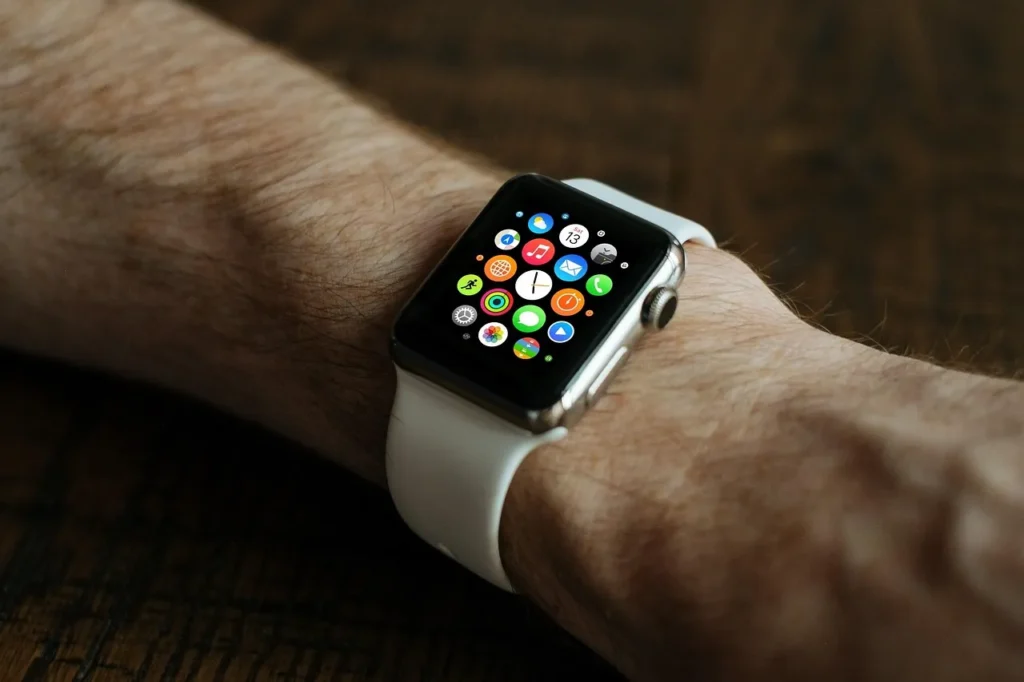
1. Health and Fitness Monitoring
Fitness trackers and smartwatches remain the most popular wearable devices. These gadgets now track a variety of metrics beyond simple step counting:
- Heart rate variability (HRV) for stress and recovery tracking.
- Sleep analysis to optimize rest and overall health.
- Blood oxygen monitoring (SpO2) to detect potential respiratory issues.
- Personalized workout suggestions using AI algorithms.
With real-time notifications and reminders, wearables encourage healthier lifestyles by nudging users to move, meditate, or hydrate. Some devices even integrate with telehealth services to alert healthcare providers of potential anomalies.
2. Smart Clothing and E-Textiles
Smart textiles are revolutionizing the way we interact with clothing. From jackets that control temperature to shirts that monitor heart rate and posture, smart clothing blends fashion with function. Key developments include:
- Posture-correcting garments that vibrate when slouching.
- Electrotherapy clothing for pain relief and muscle recovery.
- UV-detecting fabrics to warn wearers about sun exposure.
These innovations allow individuals to monitor health and comfort passively, without the need for extra devices.
3. Wearables for Mental Health
Mental health-focused wearables are gaining traction. Devices now measure stress, mood, and even early signs of anxiety or depression. Examples include:
- Wearables with guided breathing exercises triggered by stress detection.
- Biofeedback devices that monitor skin conductance and heart rate to detect emotional states.
- VR and AR applications integrated with wearables for meditation and mindfulness practices.
This trend emphasizes a holistic approach to well-being, combining physical and mental health insights.
4. Augmented Reality (AR) and Virtual Reality (VR) Wearables
AR glasses and VR headsets are no longer confined to gaming. They are increasingly used for:
- Remote work and collaboration: Virtual meetings with 3D avatars and interactive presentations.
- Education and training: Immersive learning environments for medical students, engineers, and pilots.
- Retail and shopping: Virtual try-ons for clothing, furniture, or makeup.
As AR/VR technology becomes lighter, more affordable, and socially acceptable, its impact on daily life is expected to grow exponentially.
5. Payment and Identification Wearables
Wearables are replacing wallets in many scenarios. Smartwatches, rings, and bracelets now allow contactless payments, ID verification, and access control. Benefits include:
- Convenience: No need to carry cash or cards.
- Security: Wearable authentication often includes biometric verification.
- Integration: Payment and loyalty programs can be managed directly through devices.
This trend highlights the role of wearables in simplifying daily transactions and enhancing convenience.
How Wearables Impact Daily Life
Wearable technology is not just a trend; it is reshaping routines, work, health, and social interactions. Here’s how:
1. Health Awareness and Prevention
Wearables empower users to take control of their health by providing continuous data. Early detection of irregular heart rates, sleep disturbances, or stress levels allows for timely intervention and preventive care.
2. Enhanced Productivity
Smartwatches and AR glasses help manage tasks, notifications, and meetings without constantly checking phones. They streamline workflows and reduce distractions, improving efficiency in both personal and professional life.
3. Personalized Experiences
Wearables provide tailored recommendations for fitness, nutrition, and wellness. Machine learning algorithms analyze patterns in data, offering suggestions that suit individual lifestyles and preferences.
4. Safety and Emergency Response
Certain wearables include fall detection, emergency alerts, and GPS tracking. These features are especially useful for the elderly or those with medical conditions, offering peace of mind to both users and their families.
5. Social Connectivity
Wearables enhance communication and interaction. Messaging, calls, and social media notifications on devices allow people to stay connected without being glued to their phones.
Challenges and Considerations
Despite the benefits, wearables face challenges:
- Data privacy: Sensitive health information must be securely stored and transmitted.
- Battery life: Continuous monitoring drains batteries, limiting usability.
- Cost: High-end devices can be expensive, limiting accessibility.
- User adaptation: Some people may find wearables intrusive or uncomfortable.
Manufacturers are continuously addressing these concerns with improved security, longer battery life, and more user-friendly designs.
The Future of Wearable Technology

The future of wearable tech promises even deeper integration into daily life:
- Biometric authentication: Devices may replace passwords entirely.
- Predictive health analytics: AI could forecast potential health issues before they occur.
- Integration with smart homes: Wearables may communicate with household devices to optimize lighting, temperature, and security.
- Seamless fashion-tech fusion: Wearables could become indistinguishable from everyday clothing and accessories.
As innovation continues, wearables are set to become indispensable tools that enhance human capabilities and quality of life.
Conclusion
Wearable technology is no longer just a gadget for tech enthusiasts—it is a transformative force in daily living. From health and fitness to productivity, safety, and social interaction, these devices are reshaping how we live, work, and care for ourselves. With ongoing advancements in AI, miniaturization, and connectivity, wearables will continue to integrate seamlessly into our routines, offering personalized insights and convenience like never before.
Whether you are a fitness enthusiast, a busy professional, or someone looking to improve your overall wellness, wearable tech offers powerful tools to enhance everyday life. The key is to stay informed about trends, adopt devices that suit your needs, and embrace the technology that helps you live smarter and healthier.
FAQ: Trends in Wearable Technology
1. What are wearable technologies?
2. How do wearables impact health and fitness?
3. Are wearable devices only for fitness enthusiasts?
4. Are wearable devices safe to use?
5. What is the future of wearable technology?
Find more guides and expert tips at our main site.
Visit Quotela.netAbout the Author
Ana Milojevik is a writer and contributor at Quotela.net, a general-interest publication covering business, health, technology, travel, personal development, quotes, and digital trends. She enjoys researching practical topics and creating informative content that helps readers discover new ideas, insights, and useful perspectives.
Related posts:
 Building a Localization Framework for 50+ Markets Using Headless Architecture
 Solar Powered Generators for Family Camping Holidays
 CNC Machining Services in 2025: The Complete Buyer’s Guide for Engineers
 AI Girlfriend Roleplay Chat for Realistic Conversations
 JUnit Testing Guide: Writing Reliable Unit Tests in Java
The table mentioning Predictive AI Analytics is exactly why I upgraded my smartwatch this year. Last month, my device flagged a significant drop in my Heart Rate Variability (HRV) and a slight elevation in skin temperature overnight. I felt fine, but two days later, I came down with a heavy flu. Having that 48-hour head start to rest and hydrate made a huge difference. We are moving from ‘tracking the past’ to ‘forecasting the future,’ and it’s a total game-changer for preventive healthcare.
I’m interested in the posture-correcting e-textiles mentioned in Section 2. I am someone who spends 8+ hours at a desk, I’ve tried ergonomic chairs and standing desks, but I still slouch. The idea of a shirt that provides a gentle haptic nudge when my alignment is off feels much more natural than a bulky external sensor. Also, the point about AR glasses reducing smartphone screen time is spot on—I’d much rather see my notifications in a heads-up display than constantly breaking my focus to pick up a phone.
It’s refreshing to see a focus on Mental Health Tech here. Most people only think of wearables for steps or calories, but the real-time biofeedback for stress has changed how I handle my workday anxiety. My ring vibrates with a ‘breathing cue’ the second it detects my stress levels spiking, which forces me to take a 30-second break before I hit a wall. This holistic approach to well-being is definitely the most important trend of 2026.
I used to be a skeptic about ‘smart jewelry,’ but using a smart ring for contactless payments and biometric ID has made my daily commute so much smoother. Not having to dig for a wallet or phone at the transit gate is a small convenience that adds up. I’m really interested in the future of smart home integration—the idea that my house could automatically adjust the lighting and temperature based on my wearable’s data about my sleep quality is incredible. We’re truly living in the future.