Day Trading Crypto: A Complete Guide to Strategies, Risks, and Opportunities
Introduction to Crypto Day Trading
Crypto day trading has become one of the most popular ways traders attempt to profit from short-term movements in digital asset markets. Unlike traditional long-term investing, day trading focuses on taking advantage of short-term price movements within the same day. Traders open and close positions quickly, often making multiple trades within hours, with the goal of profiting from market volatility.
Cryptocurrency markets operate 24 hours a day, seven days a week, which creates continuous trading opportunities. This constant activity makes crypto particularly attractive for day traders who rely on price fluctuations to generate returns. However, success in day trading requires discipline, preparation, and a clear understanding of both market behavior and risk management.
How Crypto Day Trading Works
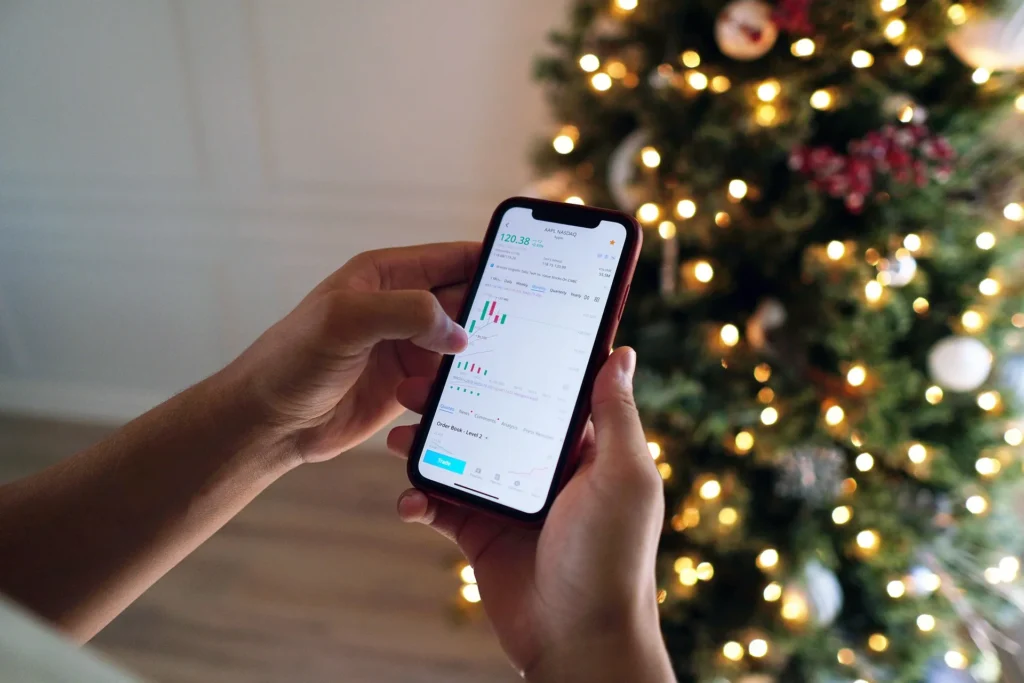
At its core, crypto day trading involves buying and selling digital currencies within short time frames. Traders monitor charts, indicators, and market sentiment to identify potential price movements. Positions are usually closed before the day ends to avoid exposure to overnight volatility.
Unlike traditional stock markets, cryptocurrency markets never close. This means traders can choose trading sessions that match their preferred schedule. Some traders focus on periods when global markets overlap, as higher trading volume often leads to stronger price movements and better trading opportunities.
Day traders typically rely on exchanges that provide advanced trading tools, charting features, and fast order execution. Liquidity and transaction fees also play an important role, as frequent trading can increase costs if fees are too high.
Key Strategies Used by Crypto Day Traders
Successful day traders often rely on structured strategies rather than intuition alone. These strategies help traders identify potential entry and exit points while managing risk.
One of the most common approaches is scalping, where traders make numerous small trades throughout the day. Each trade aims to capture small price movements, but when repeated consistently, these gains can accumulate over time.
Another popular method is momentum trading. In this strategy, traders identify cryptocurrencies experiencing strong upward or downward movement and enter positions in the direction of the trend. Momentum traders attempt to ride the price movement until signs of reversal appear.
Range trading is also widely used in markets where prices move within predictable boundaries. Traders buy near support levels and sell near resistance levels, taking advantage of repeated price patterns.
Each strategy requires careful observation and practice. Many traders test strategies using demo accounts or small positions before committing larger capital.
The Importance of Technical Analysis
Technical analysis plays a central role in day trading. Traders analyze historical price data to identify patterns and potential future movements. Charts provide visual insights into market trends, while technical indicators help traders interpret price behavior.
Some commonly used indicators include moving averages, relative strength index (RSI), and Bollinger Bands. These tools can help identify whether an asset may be overbought or oversold, as well as highlight potential trend reversals.
Candlestick patterns also provide valuable signals. Patterns such as doji, engulfing candles, and hammer formations often indicate shifts in market sentiment. When combined with volume analysis, these patterns can help traders make more informed decisions.
| Category | Key Details & Strategies | Primary Focus |
|---|---|---|
| Market Basics | Operates 24/7; high liquidity; focus on short-term price action. | Volatility |
| Trading Strategies | Scalping, Momentum Trading, and Range Trading. | Execution |
| Technical Analysis | RSI, Moving Averages, Bollinger Bands, and Candlestick patterns. | Indicators |
| Risk Management | Stop-loss orders, position sizing (1–2% rule), and emotional discipline. | Safety |
| Optimal Timing | Global market opens: London, New York, and Tokyo sessions. | Liquidity |
| Technology | Advanced exchanges, news aggregators, and 2026 AI Trading Bots. | Automation |
Risk Management Strategies for Crypto Day Trading
One of the most important aspects of day trading is risk management. Cryptocurrency markets are highly volatile, and price movements can occur quickly and unexpectedly. Without proper risk controls, losses can accumulate just as quickly as gains.
Experienced traders often use stop-loss orders to limit potential losses. A stop-loss automatically closes a position when the price reaches a predefined level, preventing further downside.
Position sizing is another key element of risk management. Traders typically avoid risking a large portion of their capital on a single trade. Instead, they divide their funds across multiple positions to reduce exposure.
Maintaining emotional discipline is equally important. Fear and greed can influence decision-making and lead to impulsive trades. A well-defined trading plan helps traders remain consistent and avoid emotional reactions.
How to Choose the Best Crypto for Day Trading
Not all cryptocurrencies are equally suitable for day trading. Traders often focus on assets with high liquidity and significant daily trading volume. Higher liquidity generally means tighter spreads and easier entry and exit from trades.
Major cryptocurrencies such as Bitcoin and Ethereum often attract the most trading activity. However, many traders also explore smaller altcoins that may experience larger percentage movements within shorter periods.
Market news, technological developments, and regulatory announcements can also influence cryptocurrency price behavior. Staying informed about industry developments can help traders anticipate potential volatility.
Tools and Platforms for Crypto Day Traders
Modern crypto trading platforms offer a wide range of tools designed to support active traders. These platforms typically include advanced charting features, customizable indicators, and real-time market data.
Many traders also rely on external tools such as portfolio trackers, news aggregators, and technical analysis software. These tools help traders monitor multiple markets simultaneously and react quickly to new information.
Automation tools and trading bots are also becoming increasingly popular. Some traders use algorithms to execute trades based on predefined conditions, reducing the need for constant manual monitoring.
Psychological Challenges of Day Trading
Day trading can be mentally demanding. Constant market monitoring and rapid decision-making can create significant stress, especially during periods of high volatility.
Successful traders often develop routines that help them maintain focus and discipline. This may include setting clear trading hours, limiting the number of trades per day, and reviewing performance regularly.
Maintaining realistic expectations is also important. While some days may produce strong crypto profits, losses are a natural part of trading. Long-term success depends on consistency and learning from both winning and losing trades.
Regulatory and Security Considerations
Cryptocurrency trading operates in a regulatory environment that continues to evolve. Different countries have varying rules regarding digital asset trading, taxation, and reporting requirements. Traders should understand the regulations that apply in their jurisdiction to avoid potential legal complications.
Security is another important factor. Using reputable exchanges with strong security measures helps protect crypto funds from hacking or fraud. Many traders also store long-term holdings in secure wallets while keeping only trading funds on exchanges.
Two-factor authentication, strong passwords, and regular account monitoring are essential steps for maintaining account security.
Long-Term Perspective for Day Traders
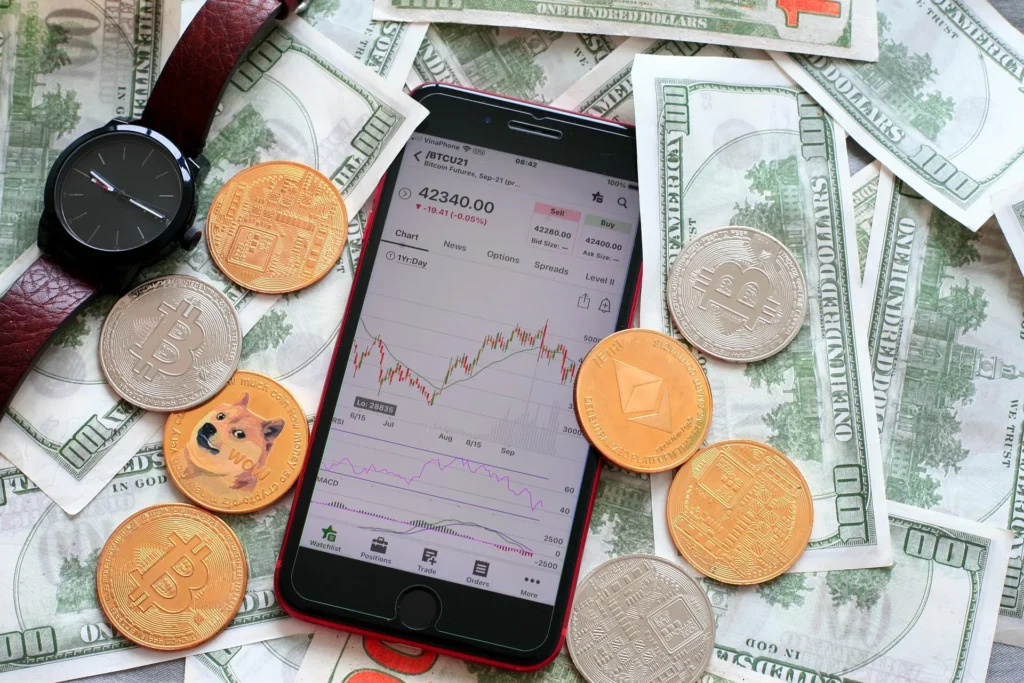
Although day trading focuses on short-term price movements, maintaining a long-term perspective can still be valuable. Continuous learning, reviewing strategies, and adapting to market changes are essential for long-term improvement.
Markets change rapidly, especially in the cryptocurrency sector. New technologies, regulations, and market participants constantly influence price behavior. Traders who remain flexible and open to learning often perform better over time.
Understanding Crypto Volatility in Day Trading
One of the defining characteristics of cryptocurrency markets is crypto volatility. Prices of digital assets can change dramatically within minutes, creating both opportunities and risks for active traders.
High volatility is one of the reasons day trading has become popular in the crypto space, as traders attempt to capture short-term gains from rapid price fluctuations. In highly liquid markets, sudden news events, market sentiment shifts, or large institutional trades can trigger sharp movements.
For day traders, understanding volatility patterns and using risk management tools such as stop-loss orders is essential for navigating these unpredictable price swings.
Intraday Trading and Reading Price Action
Intraday trading in cryptocurrency focuses on analyzing short-term market movements within the same trading day. Instead of holding crypto positions overnight, traders rely on chart analysis and price action to determine entry and exit points. Price action refers to the direct observation of how prices move on charts, including patterns formed by candlesticks, support and resistance levels, and trading volume.
Many traders believe that price action provides clearer signals than relying solely on technical indicators. By carefully watching how buyers and sellers react around key levels, intraday traders attempt to anticipate short bursts of momentum and capitalize on them before the market changes direction.
Crypto Day Trading Statistics and the Rise of Trading Bots 2026
Recent crypto day trading statistics 2025 highlight how rapidly the crypto market has evolved. Industry reports suggest that a significant portion of daily cryptocurrency trading volume now comes from automated systems and algorithmic strategies. Over $70 billion in daily crypto trading volume was recorded across major exchanges in 2025. Studies estimate that 30–40% of crypto trading volume now involves algorithmic trading bots.
The growth of trading bots 2026 is expected to further transform the market, as advanced algorithms analyze large datasets and execute trades faster than human traders can react. These bots can monitor multiple markets simultaneously, identify arbitrage opportunities, and respond instantly to market signals.
While automation can improve efficiency, it also increases competition, making it even more important for human traders to develop disciplined strategies and adapt to an increasingly technology-driven trading environment.
Stablecoin Pairs, Perpetual Swaps, and On-Chain Signals in Crypto Day Trading
Modern day trading strategies often rely on highly liquid stablecoin trading pairs such as BTC/USDT or ETH/USDC, which act as the primary liquidity rail across most major exchanges. Trading against stablecoins like Tether (USDT) and USD Coin (USDC) allows traders to quickly enter or exit positions without converting back to traditional fiat currencies.
Beyond spot markets, a large portion of daily trading volume now occurs in perpetual swaps (perps), a type of derivative contract that enables traders to speculate on crypto price movements using leverage. These instruments include mechanisms such as funding rates, which periodically balance long and short positions and can signal market sentiment during periods of strong momentum.
Because derivatives trading accounts for a significant share of global crypto activity, many intraday traders monitor both leverage levels and funding rate changes to identify potential market squeezes or reversals. Additionally, advanced traders increasingly combine chart analysis with on-chain data signals, including whale alerts, exchange inflows, and smart money tracking platforms like Nansen and Arkham Intelligence.
These tools analyze blockchain transactions to detect large wallet movements, institutional activity, and liquidity shifts, giving traders additional context that may influence short-term price action in fast-moving cryptocurrency markets.
Liquidity, Order Books, and Market Depth in Crypto Day Trading
Understanding liquidity, order books, and market depth is essential for effective crypto day trading. Liquidity refers to how easily a cryptocurrency can be bought or sold without causing a large change in price. Highly liquid markets typically exist on major trading pairs such as BTC/USDT or ETH/USDT, where large numbers of buyers and sellers continuously place orders. On most exchanges, traders analyze the order book, which displays all pending buy and sell orders at different price levels. By observing how orders accumulate near support or resistance levels, traders can gain insights into potential short-term price reactions.
Market depth is closely related to liquidity and reflects how much volume exists on both sides of the order book. A deep market with significant buy and sell orders can absorb large trades without dramatic price swings, while a shallow market can move quickly with relatively small orders. Day traders often monitor sudden changes in order book structure, such as large buy walls or sell walls, because these may signal potential reversals or breakout points. Combined with price action analysis and volume indicators, order book data can provide a clearer view of short-term supply and demand dynamics.
Professional traders also pay attention to slippage, which occurs when a trade executes at a slightly different price than expected due to insufficient liquidity. Slippage can significantly impact profitability for high-frequency strategies such as scalping or intraday momentum trading. For this reason, many day traders focus on high-volume assets like Bitcoin and Ethereum, where deep liquidity and active order books help ensure smoother trade execution even during periods of heightened crypto volatility.
Best Cryptocurrencies for Day Trading
Choosing the right cryptocurrency is an important factor in successful crypto day trading. Day traders typically prefer assets with high liquidity, strong daily trading volume, and consistent price movement, as these conditions create more opportunities for short-term trades. Highly traded cryptocurrencies usually have tighter spreads and faster order execution, which is essential for strategies such as scalping and intraday momentum trading. While market conditions can change quickly, several digital assets consistently attract day traders because of their liquidity and active price action.
Some of the most commonly traded cryptocurrencies for day trading include:
- Bitcoin (BTC) – As the largest cryptocurrency by market capitalization, Bitcoin offers the deepest liquidity and high trading volume across global exchanges, making it a primary choice for many day traders.
- Ethereum (ETH) – Ethereum often shows strong intraday price movements and is widely traded in both spot markets and derivatives such as perpetual swaps.
- Solana (SOL) – Known for its fast-growing ecosystem and high volatility periods, Solana frequently attracts traders looking for larger percentage price swings.
- XRP – XRP is popular among active traders because of its liquidity and frequent short-term price reactions to market news or regulatory developments.
- High-volatility altcoins – Smaller cryptocurrencies with lower market capitalization can experience rapid price changes, which may create profitable opportunities for experienced day traders, although they also carry significantly higher risk.
Many traders monitor several assets simultaneously and select opportunities based on volume spikes, volatility levels, and current market trends, allowing them to focus on cryptocurrencies showing the strongest intraday trading activity.
Trading Around Global Market Opens (London, New York, Tokyo)
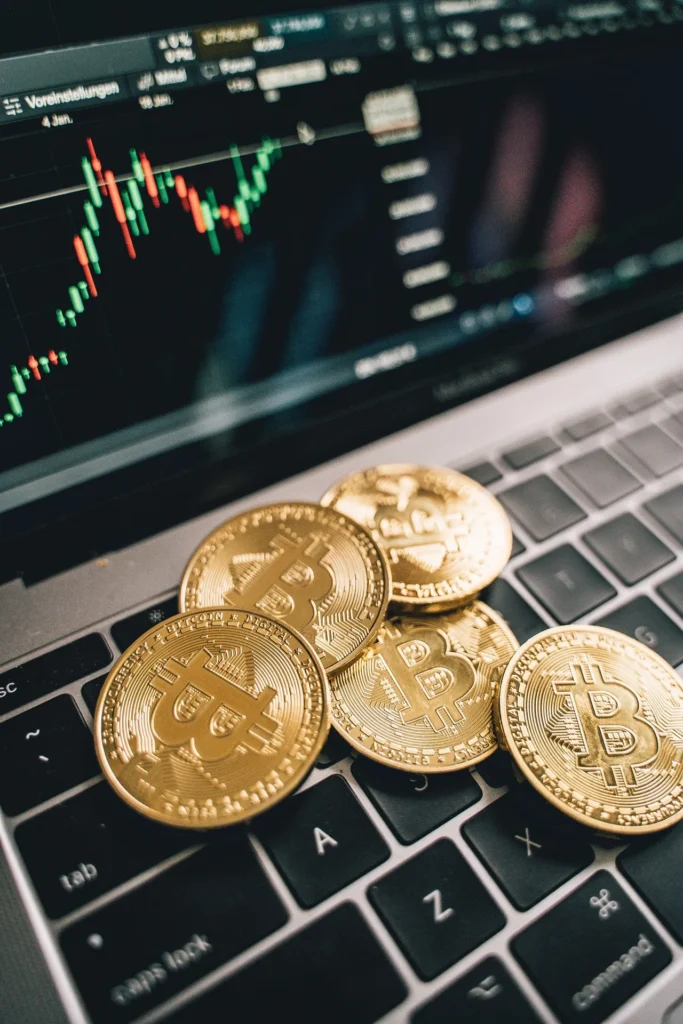
One commonly discussed crypto day trading strategy involves timing trades around major global stock market openings, such as London, New York, and Tokyo. The idea behind this approach is that cryptocurrency markets often experience increased liquidity and volatility during these hours, as institutional traders, forex markets, and global capital flows become more active.
For example, a trader may buy selected cryptocurrencies shortly before the London stock market opens, anticipating increased buying pressure as European markets begin trading. The position is then closed after the opening volatility stabilizes, aiming to capture short-term price movement driven by increased participation.
A similar approach can be applied around the New York stock market open, which is often considered one of the most volatile trading windows globally. During this period, large volumes of capital enter multiple markets at once, and crypto assets frequently react to macroeconomic sentiment, equity futures movement, and news releases.
The Tokyo session also plays a key role, especially for Asia-driven liquidity flows, where early market sentiment can set the tone for the rest of the day. However, results are never guaranteed because crypto markets are influenced by many additional factors such as breaking news, regulatory updates, and sudden whale movements.
In practice, the writer of this article tested this strategy over several weeks using selective entries on high-volume cryptocurrencies. During London and New York openings, some trades showed quick 1–3% intraday movements that allowed for short-term profit-taking, especially when combined with strong price action confirmation. However, other sessions were less predictable, with sudden reversals reducing gains or triggering stop-losses.
The Tokyo session produced more mixed results, often with slower momentum compared to Western market hours. Overall, the experience showed that while market opens can create opportunities due to increased liquidity, consistent profitability still depends on strict risk management, timing precision, and adapting to changing market conditions rather than relying on a fixed schedule alone.
| Asset (2026 Forecast) | RSI Level (14-Day) | Market Condition | Typical Strategy |
|---|---|---|---|
| BTC / USDT | 72.4 | Overbought | Short on 4H Bearish Divergence |
| ETH / USDT | 54.2 | Neutral | Wait for Trend Confirmation |
| SOL / USDT | 28.9 | Oversold | Scaling Long (DCA Entry) |
| AI-Agents (HYPE) | 61.5 | Strong Momentum | Breakout Buy above Resistance |
Can You Lose Money Crypto Day Trading? Is It Similar to Gambling?
Yes, it is possible to lose money when day trading cryptocurrencies. Crypto markets are highly volatile, and prices can move rapidly in either direction within minutes. Even experienced traders sometimes face losses due to unexpected market events, sudden liquidity changes, or emotional decision-making. Without proper risk management, such as setting stop-loss orders and controlling position sizes, traders can quickly accumulate losses instead of profits.
Day trading is sometimes compared to gambling, but the two are not exactly the same. Gambling relies primarily on chance, while day trading involves analyzing market data, price action, trading volume, and technical indicators to make informed decisions. Successful traders typically follow structured strategies, evaluate risk before entering a trade, and maintain disciplined trading plans.
However, if someone trades impulsively without a clear strategy or proper risk control, day trading can begin to resemble gambling. This is why education, preparation, and disciplined risk management are essential for anyone considering active trading in cryptocurrency markets.
Pros and Cons of Crypto Day Trading
Crypto day trading can offer exciting opportunities for traders who want to take advantage of short-term price movements in digital asset markets. Because the cryptocurrency market operates continuously and experiences frequent price fluctuations, active traders may find multiple opportunities within a single day. However, this fast-paced trading style also comes with significant risks that require discipline, strategy, and proper risk management.
Pros
- High volatility – Cryptocurrencies such as Bitcoin and Ethereum often experience rapid price movements, creating opportunities for short-term profits.
- 24/7 markets – Unlike traditional stock exchanges, crypto markets operate around the clock, allowing traders to enter and exit positions at any time.
- Many trading pairs – Exchanges offer hundreds of trading pairs, including popular stablecoin pairs such as USDT and USDC, giving traders a wide range of assets to analyze and trade.
Cons
- High risk – Extreme crypto volatility can lead to sudden losses if trades move in the wrong direction or risk management strategies are not used.
- Emotional stress – Constant chart monitoring and rapid decision-making can create psychological pressure, especially during fast market movements.
- Fees and slippage – Frequent trading may increase transaction costs, and slippage can occur when orders execute at different prices in low-liquidity conditions.
Understanding both the advantages and the challenges of crypto day trading helps traders set realistic expectations and develop strategies that balance opportunity with risk management.
Crypto Day Trading Mistakes Beginners Should Avoid
One of the biggest reasons traders lose money in day trading is not the strategy itself, but common avoidable mistakes. Understanding these errors can significantly improve decision-making and long-term performance in highly volatile markets.
Many beginners overtrade, entering too many positions without clear signals. This increases exposure to crypto volatility and often leads to unnecessary losses due to fees and poor timing. Another common mistake is ignoring risk management, especially failing to use stop-loss orders or risking too much capital on a single trade.
Emotional trading is another major issue. Fear of missing out (FOMO) often pushes traders into entering positions at the top of a move, while panic selling causes exits at the worst possible time. Successful traders rely on structured intraday trading plans and follow price action instead of reacting emotionally to market noise.
Another overlooked mistake is ignoring liquidity conditions. Trading low-volume assets or unstable pairs instead of high-liquidity markets like BTC/USDT or ETH/USDC can result in slippage and unpredictable execution. Even advanced traders using trading bots 2026 emphasize liquidity filters to avoid poor entries.
Finally, many traders fail to adapt to market conditions. Crypto markets change quickly due to news, on-chain activity, and global macro events. Traders who do not adjust strategies based on shifting volatility or funding rates often underperform compared to those who continuously refine their approach.
Conclusion
Day trading cryptocurrency offers exciting opportunities for those who enjoy fast-paced financial markets. The ability to trade around the clock and take advantage of short-term price fluctuations attracts traders from around the world.
However, success in crypto day trading requires more than enthusiasm. Traders must develop clear strategies, manage risk carefully, and maintain strong emotional discipline. By combining technical knowledge with consistent practice, traders can navigate the volatility of cryptocurrency markets and pursue sustainable trading performance.
Key takeaways:
- Crypto markets run 24/7, enabling continuous trading opportunities
- Top strategies: scalping, momentum trading, range trading
- Essential tools: RSI, moving averages, stop-loss orders
- Risk rule: Never risk more than 1–2% of capital per trade
Frequently Asked Questions
What is crypto day trading?
Why is crypto volatility important for day traders?
What is intraday trading in crypto markets?
Do stock market opening hours affect crypto prices?
Are trading bots useful for crypto day trading?
Disclaimer
This article is for informational and educational purposes only and should not be considered financial, investment, or trading advice. Cryptocurrency trading, including day trading strategies, involves significant risk due to market volatility and may result in financial loss. Readers should conduct their own research and consult with a qualified financial advisor before making any investment decisions. The author and publisher are not responsible for any losses or outcomes resulting from the use of the information provided in this article.
About the Author
Ana Milojevik is a writer and contributor at Quotela.net, a general-interest publication covering business, health, technology, travel, personal development, quotes, and digital trends. She enjoys researching practical topics and creating informative content that helps readers discover new ideas, insights, and useful perspectives.




Great breakdown! I’ve been holding BTC long-term, but the section on volatility really makes me want to try intraday trading. The 24/7 nature of crypto is a double-edged sword, though—hard to know when to step away from the charts!
The transition from HODLing to intraday is a big jump! My advice? Start by ‘paper trading’ during the London open to see how you handle the pace before committing real capital. It’s a totally different mental game!
Finally, a guide that doesn’t just promise ‘moon’ gains. I appreciate the emphasis on the 1–2% risk rule. Most beginners blow their accounts because they don’t understand position sizing.
Exactly. You can have the best strategy in the world, but if your position sizing is off or you’re losing 2% to slippage on low-liquidity pairs, the math just won’t work long-term. Survival in day trading is all about protecting your ‘dry powder’ for the next big move.
I’ve found that combining RSI with Bollinger Bands works best for me during the Tokyo session when things are a bit quieter. Does anyone else find that momentum trading is getting harder with the rise of the 2026 AI bots? They seem to front-run the breakouts faster than I can click ‘buy’.
The mention of ‘Perpetual Swaps’ is spot on. Monitoring the funding rates has saved me from entering a long position right before a massive long squeeze more times than I can count.
Interesting observation about the London/NY overlap. I’ve noticed that the 15 minutes right after the NY open are usually pure chaos for ETH/USDT. I usually wait for that initial ‘fake-out’ before entering a trade.
I actually prefer the Tokyo session because it’s less ‘noisy.’ It might be slower, but the support and resistance levels seem to hold much better compared to the volatility of the New York open.
It’s fascinating to see the different preferences here! Isabella, that 15-minute ‘fake-out’ at the NY open is a classic institutional move to grab liquidity. Omar, you’re right about Tokyo—it’s often the best session for ‘pure’ technical analysis because the volatility is driven more by steady capital flow rather than high-intensity news spikes.
Is it just me, or is the ‘Emotional Discipline’ part the hardest? I can draw charts all day, but the moment I see a 3% red candle, my plan goes out the window. Thanks for the reminder to stick to the stop-loss.
The comparison to gambling is fair. If you’re trading ‘HYPE’ coins without checking liquidity or order books, you’re basically at a casino. Real trading is boring and repetitive—if it’s exciting, you’re probably risking too much.
You mentioned ‘On-Chain Signals’ like whale alerts. Are there any specific free tools you recommend for tracking exchange inflows, or are the paid platforms like Nansen a must-have for day traders now?
Great question, Thabo! While Nansen is elite, beginners can start with free tools like Whale Alert (on X/Telegram), Glassnode’s free tier for exchange balances, and Blockchain.com for basic inflow/outflow data. Even checking the ‘rich list’ on a coin’s block explorer can give you a hint of what the big players are doing.
I’m curious about the 2026 AI Trading Bots mentioned in the table. Are these mostly for institutional players, or are there reliable retail versions that can actually handle the current volatility?
The 2026 landscape has actually become quite friendly for retail. While ‘institutional grade’ bots are expensive, platforms like 3Commas or Pionex have integrated basic AI-driven grid and signal bots that help retail traders manage the 24/7 nature of the market without needing to code. Just remember: a bot is only as good as the strategy you give it!
Spot on about the 1–2% rule. Risk management is the only way to survive these markets.
I’ve been waiting for a clear explanation of perpetual swaps. Thanks for the breakdown!
So glad you found the perp swap section helpful! Many traders ignore funding rates, but they are essentially the ‘heartbeat’ of market sentiment. If you see funding rates getting extremely high, it’s often a sign that the market is over-leveraged and a correction is coming. Glad it’s helped you avoid those long squeezes!
FOMO is my biggest enemy. This was a much-needed reality check on discipline.
We’ve all been there! Seeing a red candle feel personal is the first thing a trader has to unlearn. One tip that helps many is to step away the moment a stop-loss is hit. Don’t ‘revenge trade’ to get the money back—the market doesn’t know you lost it, and it doesn’t care! Stick to the plan.
Good point about slippage. Beginners always forget that low liquidity kills profits.
I really appreciated the section on the 2026 AI trading bots. I’ve noticed a significant shift in how the order books behave lately—price action feels much ‘snappier’ than it did two years ago. It feels like if you aren’t using some level of automation or at least monitoring whale alerts and exchange inflows, you’re trading with one eye closed. Do you think manual price action trading still has a high success rate against these newer algorithms?
You’ve both touched on the biggest shift we’re seeing in 2026. The ‘snappiness’ Milic mentioned is definitely the result of high-frequency AI bots front-running retail patterns. While it’s harder to beat them on speed, manual price action trading still wins on ‘context.’ Bots often struggle with sudden ‘black swan’ news or complex on-chain shifts that require human interpretation. Combining manual strategy with automated alerts is the current sweet spot!
Excellent guide, especially the part about global market opens. I’ve been testing a strategy where I trade the ‘NY-London overlap’ using SOL/USDT, and the volatility is definitely where the opportunity is. However, the article is right to warn about emotional stress. I had to set a hard limit of three trades per day because staring at 1-minute candles for five hours was starting to affect my decision-making. Consistency over intensity is definitely the secret sauce.
It’s refreshing to see someone mention on-chain data like Nansen and Arkham alongside traditional technical analysis. In crypto, the ‘why’ behind a move is often hidden in the blockchain before it ever shows up on a chart. Tracking smart money has saved me from several ‘fake-outs’ where the RSI looked overbought but the whales were still accumulating. This is a must-read for anyone moving from stocks to digital assets.
I disagree slightly about the Tokyo session being ‘mixed’—for scalping stablecoin pairs, the lower volatility actually makes it easier to hit 0.5% gains consistently without getting stopped out by a random New York news spike. But overall, the advice on stop-losses is non-negotiable. If you don’t have a stop-loss in this market, you aren’t trading; you’re just waiting for a liquidation event.
That’s a fair counter-point, Kenji! For scalpers, that ‘predictable’ Tokyo range is actually a goldmine. It just goes to show that the ‘best’ session depends entirely on your specific strategy. Thanks for sharing that perspective!