8 Smart Strategies for Navigating Seoul as a First-Time Traveler
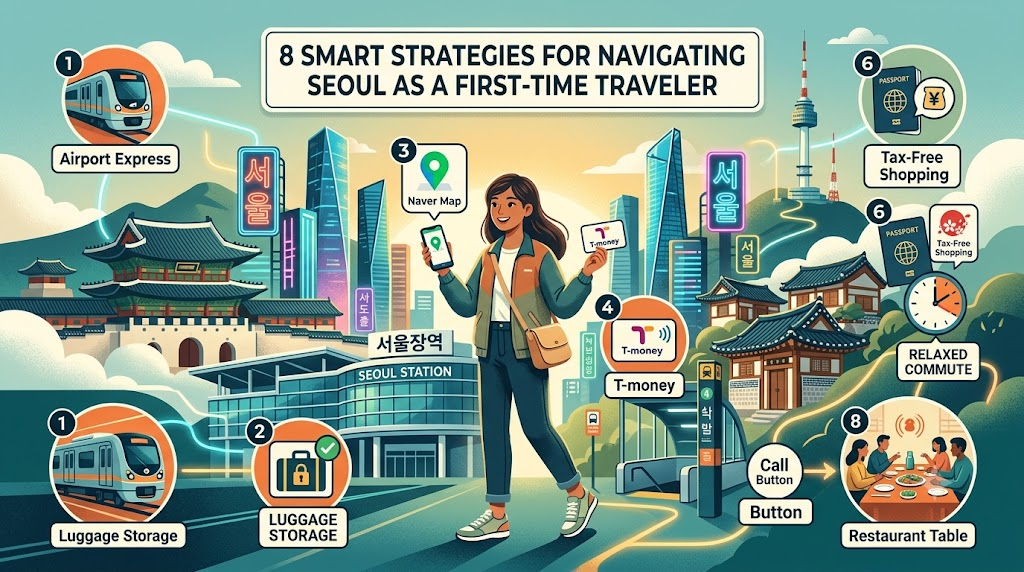
South Korea’s dynamic capital city is a mesmerizing landscape where centuries-old royal palaces coexist harmoniously with hyper-futuristic skyscrapers and neon-lit entertainment districts. For anyone stepping foot in this sprawling metropolis for the first time, the sheer energy, scale, and rapid pace of the city can be both thrilling and slightly overwhelming. Successfully exploring this destination requires a perfect mix of cultural awareness, technological adaptation, and strategic logistical planning.
One of the most frequent mistakes rookie international vacationers make is underestimating the physical toll of managing heavy baggage on transition days. If you find yourself landing early in the morning before your Airbnb or hotel check-in time opens, or if you have a late-night flight out of the country, dragging large suitcases up and down subway stairs will quickly ruin your initial experiences.
Finding a secure and fully verified space for luggage storage near Seoul Station is the absolute best way to protect your physical energy and start exploring the local markets hands-free immediately after arriving via the airport express line.
1. Master the Airport Express (AREX) and Central Rail Nodes
Your transition from Incheon International Airport into the heart of the city sets the tone for your entire vacation. Missing a major connection or booking expensive private taxis unnecessarily can dent your budget right away. The Airport Railroad Express (AREX) provides a direct, lightning-fast non-stop train system that delivers passengers from the main terminal directly into the grand halls of Seoul Station in under an hour.
Because this immense central station serves as the absolute core connectivity node for the regional KTX bullet trains and multiple urban subway networks, it naturally becomes the primary operational base for inbound international tourists. Setting up your daily itinerary around this major terminal allows you to move effortlessly between distant districts without getting stuck in the legendary above-ground morning traffic gridlocks that regularly slow down buses and taxis.
2. Secure Flexible Luggage Storage Instead of Traditional Closets
The historical reliance on public station coin lockers is rapidly becoming an outdated concept for savvy global travelers. The metallic locker systems located inside major public transit corridors are notoriously difficult to rely on during holiday seasons. They frequently fill up by mid-morning, feature strictly limited dimensions that cannot fit oversized modern suitcases, and often require complicated local authentication processes or exact physical currency that leaves foreign tourists stranded.
Opting for a modern, decentralized luggage storage network completely changes the game. By utilizing a global, reputable platform like Radical Storage, you can easily secure guaranteed reservations at verified local storefronts, boutique hotels, and convenience counters situated directly around major urban landmarks. This approach offers transparent daily flat-rate structures, extensive safety monitoring guarantees, and unlimited luggage sizing options, helping you bypass the intense stress of standard station lockers.
3. Swap Out Western Navigation Apps for Specialized Local Maps
A major pitfall that catches international travelers off guard is discovering that standard Western mapping software does not function correctly across South Korea. Due to strict national security laws regarding geographic data and mapping servers, global apps cannot generate accurate walking coordinates, reliable transit updates, or precise storefront locations.
To navigate the winding alleyways of historic neighborhoods like Bukchon Hanok Village without getting lost, you must download specialized local software before leaving the airport terminal. The two dominant options are Naver Map and KakaoMap. Both applications provide English language interfaces and deliver incredibly precise, real-time tracking data for city buses, subway train arrivals, and pedestrian walking shortcuts.
4. Grab a T-money Transit Card Before Boarding Any Local Line
The city’s internal transit network is an engineering marvel, but constantly paying for individual paper tickets at automated machines for every single trip is an unnecessary waste of time. The easiest remedy is purchasing a pre-paid T-money card from any major convenience store or transit kiosk.
This small, tap-and-go transit card can be loaded with cash balances and is universally accepted on municipal subways, public buses, and even inside standard city taxis. Furthermore, using a unified transit card unlocks automated free transfer discounts when you switch between subways and buses within a specific time window, helping you save significant funds over a multi-day itinerary.
5. Explore Historic Neighborhoods and Steep Slopes Unburdened
Seoul is a capital city that demands to be explored on foot. Iconic cultural neighborhoods like the traditional village zones, the bustling shopping alleys of Myeongdong, and the steep artistic slopes leading up to the N Seoul Tower are filled with historic cobblestone staircases, sudden elevation changes, and tight pedestrian-only lanes.
Navigating the Energetic Alleys of Myeongdong. Source: Thien Woei Jiing / Getty Images
Attempting to navigate these hilly environments while dragging a rolling suitcase or carrying a heavy backpack is incredibly exhausting. Planning ahead and using Radical Storage lets you drop your heavy items off at a secure shop location in seconds. This freedom allows you to stroll comfortably through crowded night markets, sample local street food delicacies, and take gorgeous scenic photos without being physically held back by heavy items.
While researching various storage networks on international travel forums, you might run across alternative digital platforms like Usebounce, Stasher, or LuggageHero. However, choosing a service that focuses heavily on curated local partnerships, instant digital bookings, and reliable customer support ensures your travel days remain highly efficient and completely stress-free.
6. Take Full Advantage of Tax-Free Shopping Schemes
South Korea is a paradise for shoppers, offering everything from high-end luxury fashion items to world-famous skincare lines. To attract global tourism, the government operates a highly efficient tax-free shopping system that allows foreign visitors to claim back the value-added tax (VAT) on eligible retail purchases over a certain amount.
Many major retail outlets in popular shopping zones now offer an instant, on-site tax refund service right at the checkout counter when you present your physical passport. For smaller boutique shops that provide standard tax-refund receipts instead, make sure to hold onto your documents and scan them at the automated self-service kiosks inside the airport departures hall before boarding your flight home.
7. Sync Your Sightseeing Schedule Around Peak Commuter Rush Hours
The city’s public transit system moves millions of commuters every single day with incredible efficiency. However, boarding a major subway line during peak morning and evening rush hours (typically between 08:00 to 09:30 and 18:00 to 19:30) can be an intense experience, as trains fill up completely.
To make your daily exploration as comfortable as possible, try to time your major transit trips outside of these standard commuter windows. Use the busy rush hour slots to enjoy a slow sit-down breakfast at a local cafe, tour historic palace grounds that open early, or relax at a traditional neighborhood park. This simple scheduling tweak keeps you away from intense crowds and makes your travel pacing much more enjoyable.
8. Master Basic Interactive Etiquette for Dining Out
Korean culinary culture is highly communal, deeply rewarding, and incredibly delicious. Many traditional restaurants specialize in single, iconic dishes like Korean barbecue, spicy rice cakes, or piping hot stews served in heavy stone bowls meant to be shared across a whole table.
When stepping into a local eatery, look out for small call buttons placed directly on the edge of your table. Pressing this button alerts the staff instantly, meaning you don’t need to wave your hands or shout across a quiet dining room to get attention. Additionally, note that water stations and basic side dishes (known as banchan) are frequently set up as self-service stations in casual diners, allowing you to top up your table whenever you like.
Conclusion
Maximizing a vacation to a world-class destination like Seoul ultimately comes down to preserving your physical energy and streamlining your daily logistics. By using specialized local apps, mastering the public transit systems early on, and relying on trusted networks like Radical Storage to handle your bulky bags, you completely eliminate the friction points that often slow down traditional tourism. Keep your hands free, pack light, and give yourself the freedom to fully experience the sights, sounds, and flavors of this incredible city.
Related posts:
 How to Stop Overthinking and Feel Calmer
 TikTok-Famous Food Trends: Viral Recipes and Kitchen Hacks That Took Over 2025
 Making Mistakes Safely: The Smarter Way to Learn Trading with Quotex
 Is the Traditional Classroom Model Still Relevant in the Age of Hybrid Learning?
 Smart Borrowing: Tips for Choosing an Auto Loan You Can Afford