What Is the Poorest State in the U.S.? Understanding Poverty Beyond the Numbers
The question “What is the poorest state in the United States?” comes up often—in classrooms, policy debates, and everyday conversations. At first glance, the answer seems straightforward: look at income, rank the states, and name the lowest one. In reality, poverty is complex. It involves income, education, health, employment, infrastructure, and long-term opportunity. This article explains how poverty is measured, which states are most affected, and why the answer matters beyond a single statistic.
How Poverty Is Measured in the U.S.
There isn’t just one way to define or measure poverty. Analysts typically use several indicators together:
- Median household income – the income level where half of households earn more and half earn less.
- Poverty rate – the percentage of people living below the federal poverty line.
- Unemployment and underemployment – availability and quality of jobs.
- Education levels – high school and college attainment rates.
- Health outcomes – access to care, chronic illness, and life expectancy.
- Cost of living – lower incomes may stretch further in some states than others.
Because of these overlapping measures, “poorest” can mean lowest income, highest poverty rate, or least economic opportunity.
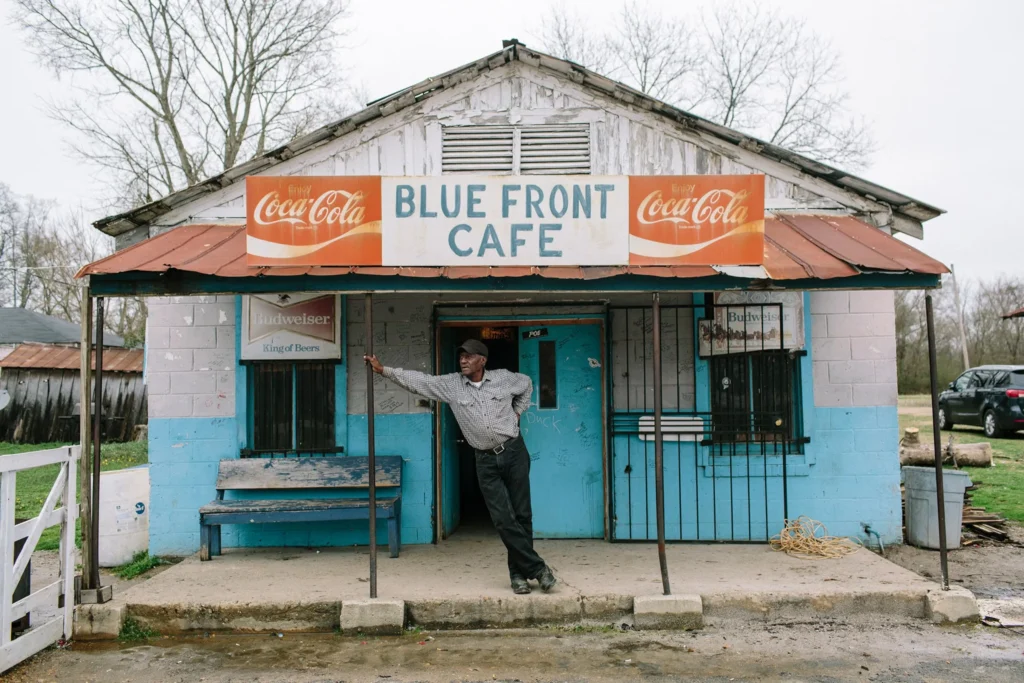
Mississippi: Most Often Ranked the Poorest State
Across many economic reports and federal datasets, Mississippi is most frequently identified as the poorest state in the U.S.
Key Economic Indicators
- Consistently ranks lowest in median household income.
- Has one of the highest poverty rates in the country.
- Faces persistent challenges in education outcomes and healthcare access.
Why Mississippi Struggles
Mississippi’s economic challenges are rooted in long-term structural factors:
- A history of reliance on agriculture and low-wage industries.
- Limited access to higher-paying jobs and large employment centers.
- Rural geography that makes infrastructure investment more difficult.
- Generational poverty in parts of the Mississippi Delta region.
Despite these challenges, Mississippi also has strong community networks, cultural heritage, and ongoing efforts to improve education and workforce training.
Other States Frequently Mentioned
While Mississippi often tops the list, several other states regularly appear near the bottom depending on the metric used.
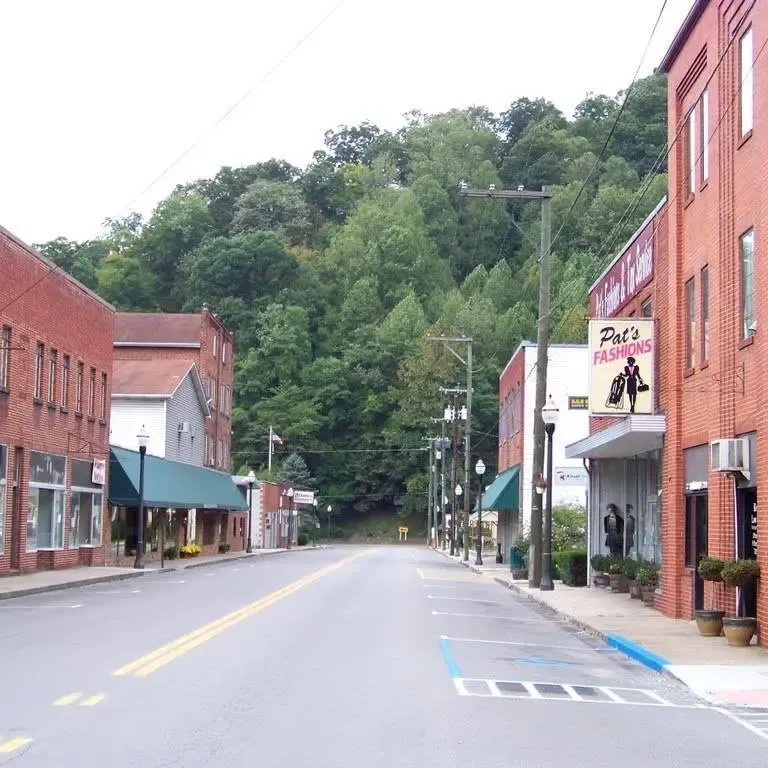
West Virginia
- Decline of coal mining reduced stable, high-paying jobs.
- Aging population and limited economic diversification.
- High rates of disability and health-related unemployment.
Louisiana
- Sharp income inequality: wealth in urban or industrial areas contrasts with deep rural poverty.
- Vulnerability to natural disasters affects long-term economic stability.
- Education and healthcare disparities persist.
New Mexico
- One of the highest child poverty rates in the nation.
- Large rural and tribal areas with limited access to jobs and services.
- Lower wages combined with geographic isolation.
These states highlight that poverty is not confined to one region or one cause.
Why “Poorest” Doesn’t Mean “Least Valuable”
Labeling a state as the poorest can be misleading. Economic rankings do not reflect:
- Cultural richness
- Community resilience
- Natural resources
- Human potential
Many states facing poverty challenges are also places of deep history, strong identity, and innovation at the local level. Poverty statistics describe economic conditions—not the worth of people or communities.
The Role of Cost of Living
An important nuance is cost of living. A lower income in Mississippi or West Virginia may go further than a higher income in states like California or New York. Housing, food, and transportation costs vary widely across the country.
That’s why:
- Some residents experience less financial pressure despite lower incomes.
- National rankings don’t always capture daily lived experience.
Federal and State Efforts to Reduce Poverty
Reducing poverty is an ongoing policy priority at both state and federal levels. Key approaches include:
- Education reform and early childhood programs
- Job training and workforce development
- Healthcare expansion and access
- Infrastructure investment in rural areas
Progress is often slow, but targeted investments can significantly improve outcomes over time.
Why This Question Matters
Understanding which states struggle most economically helps:
- Guide policy decisions and funding allocation
- Inform education and healthcare planning
- Raise awareness of regional inequalities
- Encourage data-driven discussions instead of stereotypes
The goal isn’t to rank states for comparison—but to understand where support, innovation, and reform are most needed.
Final Answer: What Is the Poorest State in the U.S.?
By most commonly used measures—median household income and poverty rate—Mississippi is widely considered the poorest state in the United States. However, poverty is multifaceted, and states like West Virginia, Louisiana, and New Mexico also face serious economic challenges.
Ultimately, poverty statistics are a starting point for understanding—not a final judgment. Behind every number are real people, real communities, and real opportunities for change.
FAQ: Poorest State in the U.S.
Q1: What is considered the poorest state in the United States?
A: By most measures, including median household income and poverty rate, Mississippi is most often ranked as the poorest state in the U.S.
Q2: Why is Mississippi considered the poorest state?
A: Mississippi faces long-term challenges such as low wages, limited job opportunities, education gaps, and health disparities, especially in rural areas.
Q3: Are there other states with high poverty levels?
A: Yes. West Virginia, Louisiana, and New Mexico also frequently rank near the bottom depending on the metrics used.
Q4: Does “poorest” mean the worst place to live?
A: No. Poverty rankings reflect economic data only and do not account for culture, community strength, or cost of living.
Q5: How is poverty measured in the U.S.?
A: Poverty is measured using factors like median household income, poverty rate, employment levels, education, and access to healthcare.
Q6: Can states reduce poverty over time?
A: Yes. Investments in education, job training, healthcare, and infrastructure can significantly improve economic conditions.
Find more guides and expert tips at our main site.
Visit Quotela.netRelated posts:
 TikTok-Famous Food Trends: Viral Recipes and Kitchen Hacks That Took Over 2025
 Making Mistakes Safely: The Smarter Way to Learn Trading with Quotex
 Is the Traditional Classroom Model Still Relevant in the Age of Hybrid Learning?
 Smart Borrowing: Tips for Choosing an Auto Loan You Can Afford
 Unearthing the Past: What is the Oldest City in the World?
This is good breakdown of a misunderstood topic. It’s worth noting that while Mississippi often ranks lowest on the Official Poverty Measure (OPM), the rankings shift when you apply the Supplemental Poverty Measure (SPM). The SPM is a game-changer because it accounts for the cost of living and non-cash benefits like SNAP. Interestingly, high-cost states like California often see their poverty rates ‘jump’ under the SPM, while states with a lower cost of living like Mississippi see a slight relative improvement. It’s a reminder that a $45,000 salary in Jackson goes a lot further than $45,000 in San Francisco.
Jack, you’ve hit on the most important technical distinction in modern economics: the Supplemental Poverty Measure (SPM). It’s a complete game-changer for 2026. When you factor in the ‘housing bite’ in places like California or New York, the ‘wealth’ of those states often evaporates for the average worker. Your example of a $45,000 salary is spot on—being ‘paper poor’ in Mississippi can sometimes feel more stable than being ‘working poor’ in a high-cost coastal hub.
I appreciate the mention of the Mississippi Delta and Appalachia. In 2026, the data shows that child poverty rates are still the most significant hurdle for these states, with Mississippi hitting nearly 26%. When a quarter of a state’s youth is growing up under the poverty line, it creates a ‘brain drain’ where the most educated young people leave for urban hubs in other states. Breaking that cycle requires more than just job creation; it requires the deep infrastructure and early-childhood investments mentioned in the article to ensure the next generation can stay and build local economies.
Peter, the 26% youth poverty rate you mentioned is the ‘uncomfortable truth’ behind these rankings. ‘Brain drain’ is a massive hurdle for states like Mississippi and West Virginia; when the brightest young minds feel they have to leave to succeed, the local economy loses its most valuable engine for innovation. As you noted, infrastructure and early-childhood investment aren’t just ‘social programs’—they are long-term economic survival strategies for these regions.
Spot on regarding West Virginia and the decline of the coal industry. We’re seeing a similar struggle in other ‘legacy’ states where the economy was built on a single industry. The states that are successfully ‘climbing the list’ are the ones investing in digital infrastructure—specifically high-speed rural internet—to attract remote workers and tech startups. Poverty isn’t just about a lack of money; it’s often a lack of broadband access, which in 2026 is as essential as electricity for escaping economic isolation.
Jack, your point about broadband as an essential utility is the defining economic shift of 2026. In a world of remote work and digital entrepreneurship, a lack of high-speed internet is the new ‘geographic isolation.’ The states that are successfully climbing out of legacy-industry slumps are the ones treating fiber-optic cables with the same urgency as clean water and electricity. Breaking economic isolation now starts with a signal.
This data is eye-opening, but it leaves me with a big question: If someone is struggling in a ‘poor’ state like Mississippi, would moving to a ‘rich’ state like Massachusetts or Washington actually lead to a better life? On one hand, the wages are higher and there are more social services, but the cost of rent and groceries seems impossible. Is it better to be a ‘big fish’ in a low-cost state, or are the opportunities in wealthier states worth the struggle of being ‘poor’ there? I’d love to know which states currently offer the best balance of high wages and manageable housing for someone trying to climb out of poverty.
That is the ultimate ‘mobility’ question! In 2026, the answer often comes down to the Supplemental Poverty Measure (SPM) rather than just a high salary. While a ‘rich’ state like Massachusetts offers world-class healthcare and higher minimum wages, the ‘housing bite’ can be brutal.
However, we are seeing a ‘Sweet Spot’ in 2026: states like Utah, South Dakota, and Nebraska. These states currently lead the nation in Social Mobility. They offer a rare combination of lower-than-average unemployment, growing tech and healthcare sectors, and a cost of living that hasn’t yet exploded like the coastal hubs. If you’re looking for a ‘poker lab’ for your life—a place to test your skills with a safety net—those ‘Middle-Wealth’ states are often where the best balance lies.
Peter, you’ve asked the million-dollar question for anyone looking to relocate. While Ana pointed out the ‘Sweet Spot’ states, it’s also worth considering the ‘Safety Net Gap.’ Wealthier states often have more robust social services and better-funded public schools, which can be a ‘hidden’ income boost for families. However, if 60% of your higher salary goes to a studio apartment, that mobility is just an illusion. It’s all about finding the state where the wage-to-rent ratio actually allows you to breathe.