NSFW AI Generator: A Tool That Teaches Us to Think Beyond Boundaries
Artificial intelligence has been quietly rewriting the rules of modern life. It helps us edit photos in seconds, drafts messages we’re too tired to type, and builds playlists that seem to understand our moods better than our friends do. But while most of the focus is on productivity, automation, or safe entertainment, there’s another corner of AI that is far more controversial — and far more fascinating. It’s called the nsfw ai generator. The name might sound like something you’d need to hide from your manager, but in practice, it’s a lot more about imagination, identity, and testing the edges of what machines can create.
For those unfamiliar, an AI generator works by taking a text prompt — for example, “a city built on clouds and lit by neon lanterns” — and turning it into an image. The NSFW label simply means that the system can handle prompts outside the standard “safe for work” bubble. Instead of only producing polite, office-appropriate content, it’s designed to explore scenarios that are eccentric, boundary-pushing, or simply too unconventional to appear in traditional design apps.
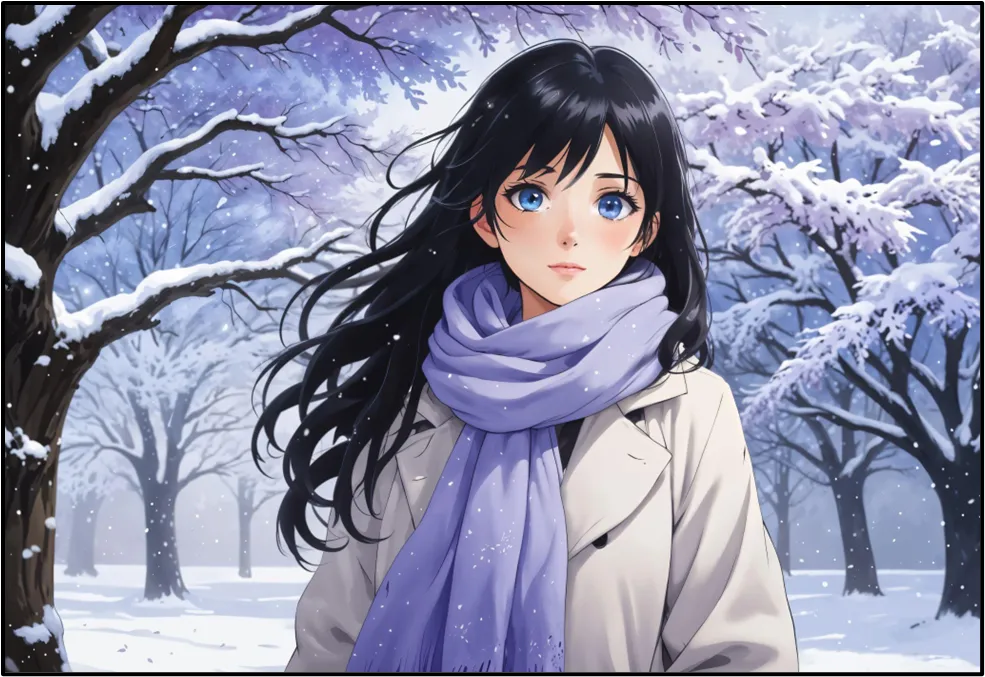
This doesn’t mean every user is chasing controversy. On the contrary, many are using it in surprisingly practical and even wholesome ways. Writers generate visuals of characters or landscapes to inspire their novels. Game developers sketch out avatars or weapons for prototypes without hiring a full art team. Artists push the generator with abstract requests — “a portrait made of clouds and shadows” — just to see what the machine interprets. And curious users test it with absurd prompts like “a castle made of pancakes guarded by flamingos in suits.” The results range from hilarious to breathtaking, but in every case they spark creativity.
What makes this technology particularly significant is the way it pushes AI research forward. Developers working in the NSFW space must grapple with problems that mainstream tools can often sidestep. Where exactly should boundaries be drawn? How do you create filters that allow creative freedom but prevent misuse? How do you reduce bias when the system is working with sensitive or nuanced prompts? In a sense, the “unsafe” label forces teams to design safer and smarter systems — paradoxically, the riskiest tools are often the ones improving AI responsibility the fastest.
This cycle is nothing new in cultural history. Every major creative medium began its life surrounded by controversy. Novels were once dismissed as dangerous distractions, especially for young women. Comic books in the 1950s were accused of corrupting youth. Video games in the 1990s were seen as a threat to attention spans and social skills. Today, all of those are part of mainstream culture. NSFW AI generators may follow a similar arc: today they’re controversial, tomorrow they may simply be recognized as another set of tools for artistic and personal expression.
And the real-world applications already extend beyond the expected. Educators have begun experimenting with AI illustrations in creative writing classes. Therapists and researchers explore how people use NSFW AI systems as a safe way to express emotions, test boundaries, or role-play scenarios. Some art galleries have even displayed AI-generated works born from unusual or boundary-pushing prompts. Far from being only about “shock value,” these tools are emerging as laboratories of digital creativity.
Looking ahead, the possibilities become even more intriguing. Imagine combining an NSFW AI generator with virtual reality: instead of a static picture, you could walk through a world created from your imagination in real time. Or consider interactive storytelling — novels and comics where the illustrations adapt instantly as the plot evolves. Digital identity could also be transformed, with people building avatars that reflect not only how they look but how they dream of being seen. Even therapeutic uses are possible, with AI images helping people externalize and process emotions that are hard to articulate in words.
Of course, none of this is without complications. The ethical questions are serious and unavoidable. Should there be limits on what AI is allowed to generate? If harmful or exploitative content is created, who bears responsibility — the platform, the user, or the developers? How do we balance freedom of imagination with collective safety? These questions don’t have easy answers, but the NSFW AI space is where they are being debated most urgently. And the answers found here will likely shape AI governance across all industries.
When you strip away the label, the nsfw ai generator is not really about being unsafe. It’s about curiosity. It’s about humans testing what happens when we ask machines to dream alongside us. Sometimes the images are surreal, sometimes they’re funny, sometimes they’re awkward — but they always provoke a reaction. And that reaction often sparks new ideas we wouldn’t have had otherwise.
In my view, the real value of these generators isn’t just the images they produce. It’s the way they push us to imagine prompts we might never have dared to think about on our own. A novelist facing writer’s block suddenly gets unstuck by visualizing a strange new world. A student experimenting with design discovers a style that feels uniquely theirs. A curious user laughs at an AI-rendered “dog detective in a bowler hat” and remembers that technology can still be playful. In each case, the generator acts less like a tool and more like a creative partner.
So, the next time you hear the term “NSFW AI generator,” don’t picture a scandal. Picture a digital sandbox where creativity can run wild. Picture teachers, artists, and everyday users typing in prompts that range from profound to ridiculous — and learning something new from the results. Picture a future where AI isn’t just making our lives more efficient, but helping us to dream bigger.
Because at its heart, that’s what this technology is about. Not safety, not scandal — but imagination. And in a world that often feels locked into routines, that may be the most valuable contribution AI has to offer.


Spot on regarding the AI research and development side of things. The developers working on these boundary-pushing models are actually the ones solving the toughest problems in AI safety and filtering. By understanding where the “unsafe” prompts go wrong, they are creating more robust frameworks for the entire industry. This “digital sandbox” is where the most important debates on AI governance are actually happening right now.
Exactly! It’s often the “edge cases” that reveal the most about how a system truly functions. When developers work within a digital sandbox like this, they aren’t just creating images; they are stress-testing the AI safety filters that will eventually become standard for the entire industry. By pushing these boundary-pushing models, we actually get a clearer picture of how to handle AI governance and ethics in a way that protects users without stifling digital creativity. Thanks for highlighting that technical “under the hood” perspective!
I never thought about using an AI image generator to overcome writer’s block, but it makes so much sense. Sometimes you just need a visual of a “city built on clouds” to get the description right in a chapter. The point about virtual reality integration is also mind-blowing. Imagine an interactive story where the environment shifts based on your own prompts in real-time—that’s the future of immersive entertainment!
It’s a total game-changer, isn’t it? Many writers find that visualizing a scene is the hardest part of the process. When you use an AI image generator as a “mood board,” you aren’t replacing your imagination; you’re giving it a high-definition spark. That “city on clouds” prompt is a perfect example of how digital creativity can help us describe things that are hard to put into words. And you’re right—the jump from a static image to an interactive VR environment is going to redefine how we experience stories. Imagine being inside the book as you write it! Thanks for sharing that perspective.
Great to see the ethical implications addressed so clearly. The question of “who bears responsibility” for AI-generated content is the billion-dollar question for 2026. Whether it’s the user, the platform, or the developer, we need clear AI transparency standards. This article does a great job of moving the conversation away from “scandal” and toward a serious discussion on freedom of imagination vs. collective safety.
You’ve touched on the most critical debate of 2026. The “responsibility triangle” between the user, the platform, and the developer is exactly where AI transparency standards need to be built. By shifting the focus from “scandal” to collective safety, we can actually start designing frameworks that protect people without stifling digital freedom. It’s about finding that balance where freedom of imagination can coexist with a clear ethical “Million Dollar Ticket” for the industry. Thank you for bringing such a thoughtful perspective to the table!
The comparison to comic books and novels from the past is a great historical perspective. Every new medium for artistic expression goes through this “controversial” phase before it becomes a standard tool. I think we’ll look back and see these generators as the first step toward a truly unrestricted digital identity. Thanks for the “Million Dollar Ticket” into the world of AI potential!
It’s interesting how history tends to repeat itself—what we fear today as “unconventional” usually becomes the standard tool of tomorrow. Whether it’s the shift from traditional canvas to digital tablets or now to AI-generated art, the core goal remains the same: unrestricted artistic expression. We are truly at the doorstep of a new era where our digital identity isn’t limited by our technical skills, but only by the depth of our imagination. Glad you enjoyed the “Million Dollar Ticket” into this space—there is so much more to read.
This is an incredibly refreshing take on a topic that most people only discuss in whispers. I really appreciate how you framed the NSFW AI generator not as a tool for scandal, but as a “digital sandbox” for testing the limits of machine learning.
When you look at the history of creative mediums—as you mentioned with novels and comic books—the “unsafe” or “subversive” fringe is almost always where the most significant technical breakthroughs happen. Developers in this space are essentially the “crash test dummies” for AI safety filters and algorithmic bias. By forcing the AI to navigate nuanced or “eccentric” prompts, they are actually building a more robust infrastructure for the “safe” tools we use in the office every day.
The idea of using these as a creative partner for writers is a game-changer. Sometimes, seeing a “breathtaking” or even a “surreal” visual of a character can break a month-long streak of writer’s block. We’re moving toward a future where digital identity and artistic expression aren’t limited by our technical drawing skills, but only by the depth of our imagination. Great job on shedding light on the “human” side of this controversial tech!
I love your point about digital identity! We are moving into an era where “technical skill” is being redefined. It’s no longer just about how well you can draw, but how deeply you can imagine and how effectively you can partner with AI. Using these generators as a creative partner to overcome writer’s block is a perfect example of how “unsafe” tools can have very “wholesome” and productive results. History shows us that the most significant technical breakthroughs often start in these whispered corners before they become the industry standard. Thanks for adding value to the conversation.
Finally, an article that moves past the shock value! The point about AI generators acting as “laboratories of digital creativity” is spot on. Whether it’s a game developer prototyping a weapon or an artist testing abstract prompts, these tools are expanding the boundaries of what we thought machines could “dream.” It’s less about being “unsafe” and more about being unrestricted.
Exactly! When we move past the “shock value,” we see that these tools are essentially high-speed prototyping engines. Whether it’s a game developer sketching out a new asset or an artist pushing abstract prompts to their limit, the “unrestricted” nature of these generators is what allows for true digital creativity. It’s not just about what the machine can “dream”—it’s about how those dreams expand our own human boundaries. Thanks for highlighting the practical, professional side of this technology.