How to Choose a Good Lawyer: 10 Smart Tips Before Hiring an Attorney
Quick Answer
To choose a good lawyer, identify your legal issue, look for relevant experience, compare attorney fees, read reviews, verify licensing, ask questions during consultations, and evaluate communication style before hiring legal representation.
Knowing how to choose a good lawyer can make a major difference in legal outcomes, costs, and stress levels. Whether you need a divorce lawyer, personal injury attorney, criminal defense lawyer, immigration attorney, or business lawyer, choosing legal representation carefully helps protect your interests.
The wrong lawyer can cost you money, time, and peace of mind. The right one can make a stressful situation feel manageable. If you are wondering about selecting an attorney, the best approach is not to chase the flashiest ad or the lowest fee. It is to find someone whose experience, communication style, and judgment fit your exact problem.
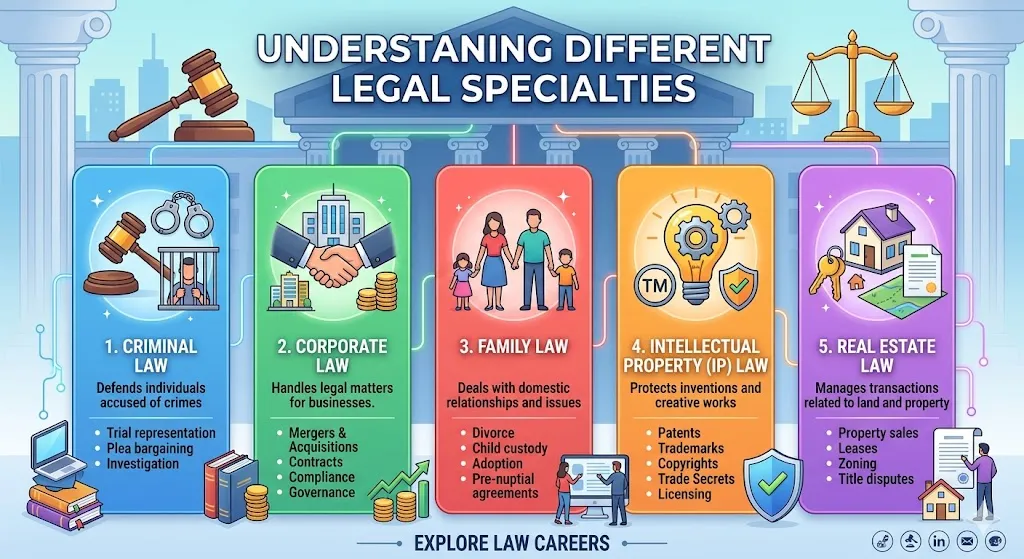
Legal help is not one-size-fits-all. A brilliant divorce attorney may be the wrong person for a startup contract dispute, and a skilled criminal defense lawyer may not be helpful for an immigration case. That is why the first step is getting clear on what kind of legal issue you actually have.

Hiring an attorney for your specific case
Start by naming the issue as precisely as you can. Is it a personal injury claim, child custody matter, employment dispute, business formation question, landlord-tenant conflict, estate planning need, or criminal charge? Lawyers often focus their practice in one or two areas, and that focus matters because procedures, deadlines, and negotiation tactics vary widely.
A general practice attorney can sometimes help with straightforward matters, but more complex situations usually call for a specialist. If your issue could affect your finances, freedom, immigration status, parental rights, or business future, experience in that exact area becomes much more valuable than broad legal knowledge.
This is also where expectations matter. Some people want aggressive courtroom representation. Others need a calm negotiator who can settle matters efficiently. A good lawyer is not just qualified on paper. They are a good match for the way your case is likely to move.
Look for relevant experience, not just impressive credentials
Many people get stuck on prestige. A fancy office, a polished website, or a well-known law school can be reassuring, but those details do not always tell you how well a lawyer will handle your problem. What matters more is whether they have worked on cases like yours and understand the local legal environment.
Ask how long they have practiced in that area of law. Ask whether they regularly handle matters similar to yours. If your case may go to court, ask how often they actually appear in court. Some attorneys mainly negotiate and settle. That is not a weakness if settlement is likely, but you should know what kind of advocate you are hiring.
There is a useful difference between experience and confidence. A good lawyer should be able to explain the process clearly, identify likely challenges, and talk about possible outcomes without making wild promises. If someone guarantees a win early on, that is usually a reason to step back, not lean in.
Reputation helps, but context matters
Reviews and referrals can be useful, but they need context. A friend may love their attorney, yet that lawyer may be wrong for your issue. Online reviews can show patterns in communication, billing, or professionalism, but legal outcomes are complex, and unhappy people are often louder than satisfied ones.
Look for consistency instead of perfection. If multiple people mention that the lawyer was responsive, organized, and honest about costs, that is meaningful. If repeated complaints mention missed calls, unclear invoices, or pressure tactics, pay attention.
Professional standing matters too. You want someone properly licensed and in good standing in their state. If you can verify that and combine it with solid feedback and relevant experience, you are moving in the right direction.
Pay close attention to communication style
One of the biggest parts of finding legal representation is judging how they communicate before you hire them. Most clients are not legal experts. You should not feel confused, rushed, or talked down to every time you ask a basic question.
A good attorney explains things in plain English. They tell you what they know, what they do not know yet, and what happens next. They also listen. If they interrupt constantly, ignore your priorities, or give vague answers to direct questions, that pattern may continue once the case begins.
Responsiveness matters, but so does realism. No lawyer can be available every minute. What you want is a clear system. Who returns calls or emails? How fast do they usually respond? Will you speak directly with the attorney or mainly with support staff? There is nothing wrong with a team-based approach, but it should be transparent.
A good working relationship often comes down to trust. You should feel comfortable sharing sensitive facts, asking simple questions, and hearing hard truths. If the consultation leaves you more anxious than informed, keep looking.
Understand the fee structure before you commit
Legal fees are one of the biggest sources of stress, especially when clients do not fully understand how billing works. That is why a good lawyer should explain costs clearly from the start.
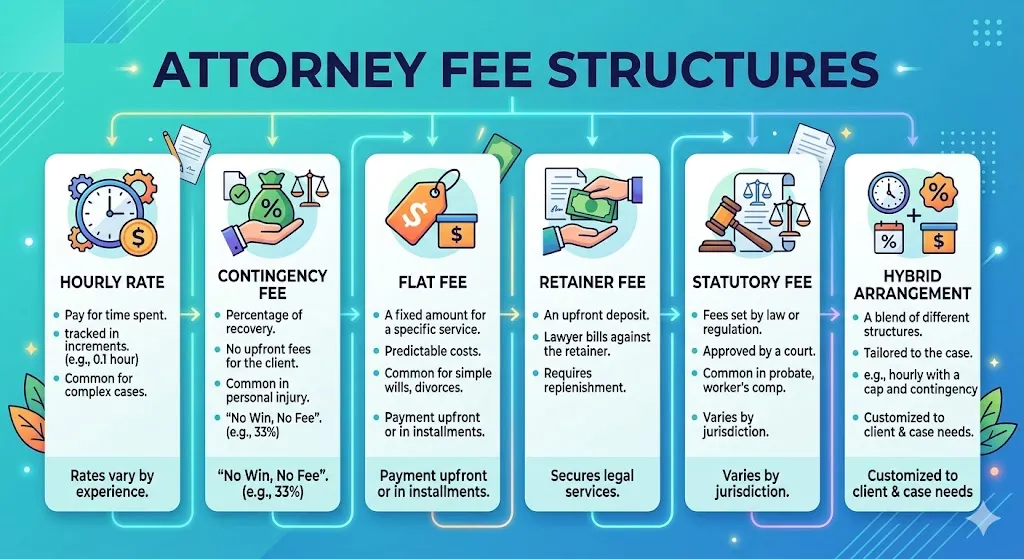
Some lawyers charge hourly. Some work on a flat fee for specific services such as wills, contract drafting, or uncontested filings. Personal injury lawyers often work on contingency, meaning they only get paid if you recover money. Each model has trade-offs.
Hourly billing can be fair for unpredictable matters, but costs may rise quickly if the case becomes more complicated. Flat fees create certainty, though they may cover only a limited scope of work. Contingency arrangements reduce upfront cost, but the lawyer takes a percentage of the recovery, and case expenses may be separate.
Ask what is included, what is billed separately, and whether a retainer is required. Ask how often you will receive invoices and whether you can get an estimate based on similar matters. A lawyer who avoids fee questions or answers them vaguely is making an important decision harder than it needs to be.
Important Note
Laws vary by jurisdiction. Complex legal matters should be discussed with a licensed attorney in your location.
Questions worth asking in a consultation

The first meeting is not just for the lawyer to assess your case. It is also your chance to assess them. You do not need a long checklist, but a few direct questions can reveal a lot. Ask what strategy they would consider first, what risks they see, how they typically communicate with clients, who will do most of the work, and what timeline you should realistically expect.
You can also ask what could make the case more expensive or more difficult. Honest answers are a good sign. Good lawyers do not pretend everything will be quick and easy. They help you prepare instead of selling false certainty.
Watch for red flags early
Sometimes the easiest way to choose well is to notice what should send you elsewhere. Pressure is one red flag. If a lawyer pushes you to sign immediately, promises dramatic results, or acts annoyed when you want time to think, that is not a great start.
Disorganization is another warning sign. If the office loses your paperwork, misses the appointment, or gives conflicting information before you even become a client, that may reflect the way your case will be handled. Billing confusion, poor listening, and exaggerated claims should also make you cautious.
Trust your instincts, but support them with facts. You are not looking for perfection. You are looking for professionalism, clarity, and a sense that this person takes your matter seriously.
Compare at least two or three options
| Lawyer Type | Common Cases |
|---|---|
| Divorce Lawyer | Custody, divorce |
| Criminal Defense Lawyer | Criminal charges |
| Personal Injury Lawyer | Accident claims |
| Immigration Lawyer | Visas, citizenship |
| Business Lawyer | Contracts, formation |
Unless your situation is extremely urgent, it is smart to speak with more than one lawyer. This helps you compare not only fees, but also strategy, clarity, and overall fit. One attorney may focus on quick settlement. Another may identify legal leverage the first one missed. A third may simply explain everything better.
Price should not be the only deciding factor. The cheapest option can become expensive if your case is mishandled. The most expensive option is not automatically the best either. What you want is value – skill that fits the stakes of your issue, paired with communication you can trust.
For everyday consumers, that balance matters more than image. A lawyer does not need to impress you with jargon. They need to help you make smart decisions during a stressful time.
How to Hire a Lawyer and Prepare for Your First Legal Consultation
One of the most overlooked parts of how to hire a lawyer is preparation before the first meeting. Many people begin searching for legal help without organizing documents, timelines, or priorities, which can make choosing an attorney harder than necessary. Bringing contracts, emails, financial paperwork, court notices, or supporting records allows lawyers to understand your situation faster and provide more useful guidance. Preparation can also reduce stress and help consultations feel more productive.
Strong lawyer consultation tips often focus on clarity. Write down concerns before the meeting and identify your goals. Are you trying to protect assets, resolve a dispute efficiently, negotiate a settlement, or prepare for litigation? The more clearly you explain your needs, the easier it becomes for both sides to determine whether the professional relationship makes sense. When looking for the right lawyer, preparation often matters almost as much as qualifications.
Questions to Ask a Lawyer Before Making a Final Decision
Many clients focus heavily on credentials while overlooking practical details that affect the working relationship. Preparing questions to ask a lawyer before signing an agreement creates a stronger decision-making process. Ask who will handle most of the work, how updates are delivered, whether support staff assist with communication, and what challenges may affect the case timeline. You can also ask how frequently similar legal matters have been handled and what general strategies are often effective.
Legal billing structures vary significantly. Some attorneys charge hourly rates, some offer flat fees, and others work under contingency arrangements depending on the legal matter. Ask what services are included, whether additional costs may appear later, and how billing statements are delivered. Practical legal advice includes understanding costs early so financial surprises do not create additional stress during an already difficult situation.
Hiring a Lawyer Checklist for Choosing Legal Representation Wisely
Creating a simple hiring a lawyer checklist can help prevent rushed decisions. Compare legal professionals based on experience in your issue, communication quality, licensing status, responsiveness, fee transparency, and overall comfort level during discussions. The process of finding the right lawyer is not simply about hiring the person with the strongest marketing or largest office. It is about identifying legal representation that fits your circumstances.
A strong checklist also supports better long-term decisions when choosing an attorney. The goal is to work with someone who explains legal risks honestly, provides realistic expectations, communicates clearly, and approaches your case carefully. Learning how to hire a lawyer wisely takes extra effort upfront, but choosing the right legal professional can save significant time, money, and stress later.
How to choose a good lawyer when the stakes feel personal

Legal problems are rarely just legal. They affect your routine, your finances, your family, and your confidence. That is why choosing a lawyer can feel emotional even when you are trying to stay practical.
Give yourself permission to be selective. You are hiring someone to guide you through a high-stakes process, not buying a generic service. The right attorney should bring competence, but also steadiness. They should help you feel more grounded, not more overwhelmed.
If you leave a consultation with a clearer picture of your options, a realistic sense of costs, and confidence that your concerns were actually heard, that is a strong sign. Good legal help does not remove every challenge, but it does make the path ahead easier to understand.
The best choice is usually not the loudest or the fastest. It is the lawyer who fits your case, explains the road ahead honestly, and gives you the sense that your problem is being handled with care.
Choosing the right lawyer requires balancing experience, communication, fees, and trust. Taking time to compare legal professionals can improve both legal outcomes and peace of mind.
Key Takeaways
- Choose experience that matches your legal issue. A lawyer who handles your specific type of case regularly often brings more practical value than broad legal knowledge alone.
- Communication matters as much as credentials. Strong legal representation includes clear explanations, responsiveness, honesty about risks, and realistic expectations.
- Understand attorney fees before hiring. Whether hourly billing, flat fees, or contingency arrangements, knowing costs upfront helps avoid confusion later.
- Compare multiple attorneys before making a decision. Choosing an attorney becomes easier when you evaluate different strategies, fee structures, and communication styles.
- Ask direct questions during consultations. Good lawyer consultation tips include asking about experience, timelines, case strategy, communication methods, and possible challenges.
- Look for long-term fit, not just reputation. Finding the right lawyer means choosing someone who understands your goals and makes complex legal issues easier to navigate.
- Watch for warning signs early. Pressure tactics, vague answers, billing confusion, and unrealistic promises can signal problems before legal work even begins.
- Use a hiring a lawyer checklist. Experience, licensing, communication style, fees, case approach, and trust should all factor into your final decision.
References & Further Reading
American Bar Association (ABA)
Practical consumer guidance on hiring attorneys, understanding legal services, and finding qualified representation.
National Center for State Courts (NCSC)
Resources explaining court systems, legal processes, and consumer legal education.
Nolo – Legal Consumer Resources
Educational legal information covering attorney fees explained, legal procedures, and choosing legal representation.
Cornell Law School – Legal Information Institute (LII)
Open-access legal information and explanations of common legal concepts.
FindLaw Consumer Legal Resources
Consumer-focused legal education covering legal representation advice, case preparation, and attorney selection.
State Bar Associations
Most states maintain attorney directories, disciplinary records, and lawyer referral services that can help when finding the right lawyer.
Legal Services Corporation (LSC)
Information regarding legal aid resources and access to legal assistance for qualifying individuals.
Frequently Asked Questions
How do I know if a lawyer is good?
Should I meet multiple lawyers before choosing one?
Is an expensive lawyer always better?
What questions should I ask during a consultation?
Disclaimer
The information provided in this article is intended for general educational and informational purposes only and should not be interpreted as legal advice. Laws vary by jurisdiction, and legal situations differ based on individual facts and circumstances.
Reading this article does not create an attorney-client relationship, nor should any content here be relied upon as a substitute for professional legal counsel. While every effort has been made to provide accurate and up-to-date information, legal regulations, procedures, and requirements may change over time.
If you need advice regarding a specific legal matter, consult a qualified attorney licensed in your jurisdiction. Decisions involving legal rights, contracts, disputes, family matters, business issues, criminal charges, immigration concerns, or financial liability should be evaluated with professional legal guidance tailored to your situation.
The publisher and author assume no responsibility for actions taken based on the information contained in this article. Use of this content is solely at your own discretion.
About the Author
Ana Milojevik is a writer and contributor at Quotela.net, a general-interest publication covering business, health, technology, travel, personal development, quotes, and digital trends. She enjoys researching practical topics and creating informative content that helps readers discover new ideas, insights, and useful perspectives.
Related posts:
 How to Improve Decision Making Every Day
 TikTok-Famous Food Trends: Viral Recipes and Kitchen Hacks That Took Over 2025
 Making Mistakes Safely: The Smarter Way to Learn Trading with Quotex
 Is the Traditional Classroom Model Still Relevant in the Age of Hybrid Learning?
 Smart Borrowing: Tips for Choosing an Auto Loan You Can Afford