How to Plan Solo Travel Without Feeling Overwhelmed
The first solo trip can feel like a thrilling idea right up until you open 14 browser tabs, compare flights, and wonder whether you are being brave or simply unprepared. Learning how to plan solo travel is less about creating a perfect itinerary and more about making a few smart decisions that give you freedom without leaving you stranded.
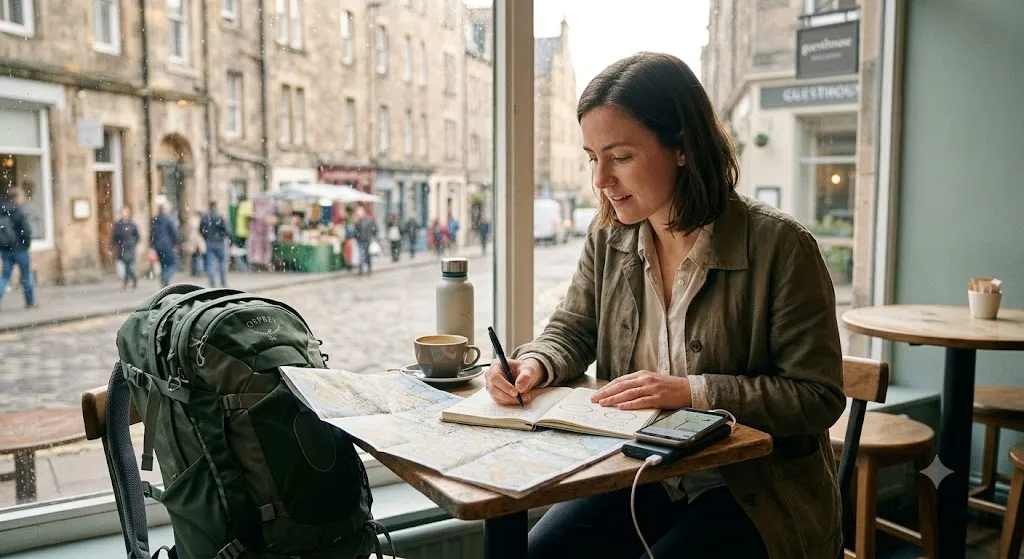
Traveling alone means every choice is yours: the museum you spend three hours in, the early night you take after a long flight, and the restaurant you try because it looks good rather than because everyone else agreed. A little planning makes that independence feel exciting instead of stressful.
Start with the trip you actually want
Before choosing a destination, decide what you want this trip to do for you. Maybe you need a quiet reset after a demanding stretch at work. Maybe you want city energy, good food, and the confidence that comes from navigating somewhere new on your own. Or perhaps you want an outdoor challenge with a clear beginning and end.
Be honest about your current comfort level. A first solo trip does not need to be a two-week, multi-country adventure. A long weekend in a walkable city or a familiar destination can teach you plenty about traveling independently. Starting smaller is not playing it safe in a negative sense. It is how you learn what kind of solo traveler you are.
Set a realistic trip length, a rough travel window, and one main priority. If seeing live music matters most, build around that. If rest is the goal, avoid an itinerary that requires checking out of a hotel every other morning. Your plan should support the reason you are going.
Choose a destination that makes solo travel easier
The best destination is not always the most photographed one. For a solo traveler, practical details matter: how easy it is to get from the airport, whether neighborhoods are walkable, the cost of accommodation, local transport, and the availability of activities you genuinely enjoy.
Look at the first and last day closely. Arriving late at night in an unfamiliar place can be manageable, but it adds pressure. If you can, book a flight that gets you in during daylight hours and arrange your route to the hotel before departure. A central location may cost more, yet it can save money and energy on rideshares and make evenings feel more comfortable.
Safety research should be specific rather than fear-driven. Read current traveler experiences, check common scams, learn which areas are best avoided late at night, and understand how payment and transportation work. No destination is risk-free, including places close to home. The goal is informed awareness, not anxiety.
It also helps to choose a place where solo time will not feel isolating. Cities with food tours, guided walks, classes, hiking groups, markets, and busy public spaces offer natural ways to be around people without needing to make plans with strangers.
Create a budget with breathing room
A solo travel budget needs to cover more than flights and a bed. Because there is no one to split a taxi, hotel room, or emergency expense with, flexibility is part of the cost of going alone.
Start with the fixed essentials: transportation to and from the destination, lodging, travel insurance if it fits your trip, and any tickets or reservations you know you want. Then estimate daily spending for meals, local transportation, activities, and small purchases. Finally, add an emergency cushion that you do not mentally spend before you leave.

You do not need to budget every coffee to have control. A daily spending range is often more useful. For example, you might plan one nicer meal, one paid attraction, and inexpensive breakfast and lunch options. This leaves room for the moments that make a trip memorable, like joining a last-minute cooking class or staying for dessert at a place you love.
Solo travel can be more expensive per person, especially for accommodations. Consider a private room in a well-reviewed hostel, a small guesthouse, or a hotel slightly outside the busiest tourist zone with easy transit access. The cheapest option is not always the best value if it makes you feel unsafe, disconnected, or exhausted.
Book the essentials, not every hour
One of the most useful answers to how to plan solo travel is knowing what to reserve early and what to leave open. Book the parts that could seriously disrupt your trip if they go wrong: your first night of lodging, transportation between major stops, and popular experiences with limited space.
For the rest, avoid turning your itinerary into a schedule you have to obey. Plan one anchor activity per day, such as a museum reservation, a walking tour, or a beach afternoon. Then keep space around it for slow mornings, unexpected conversations, weather changes, and the simple pleasure of wandering.
A map with saved places can be better than a detailed hour-by-hour plan. Save restaurants, coffee shops, pharmacies, transit stops, attractions, and a few indoor backup options in the neighborhoods you expect to visit. When you are tired or hungry, you will not have to make every decision from scratch.
If you are visiting multiple places, resist the urge to see everything. Changing cities frequently eats time through packing, checking out, travel delays, and figuring out a new area. Fewer stops often produce a richer trip, especially when you are handling all the logistics yourself.
Build a safety routine you can maintain
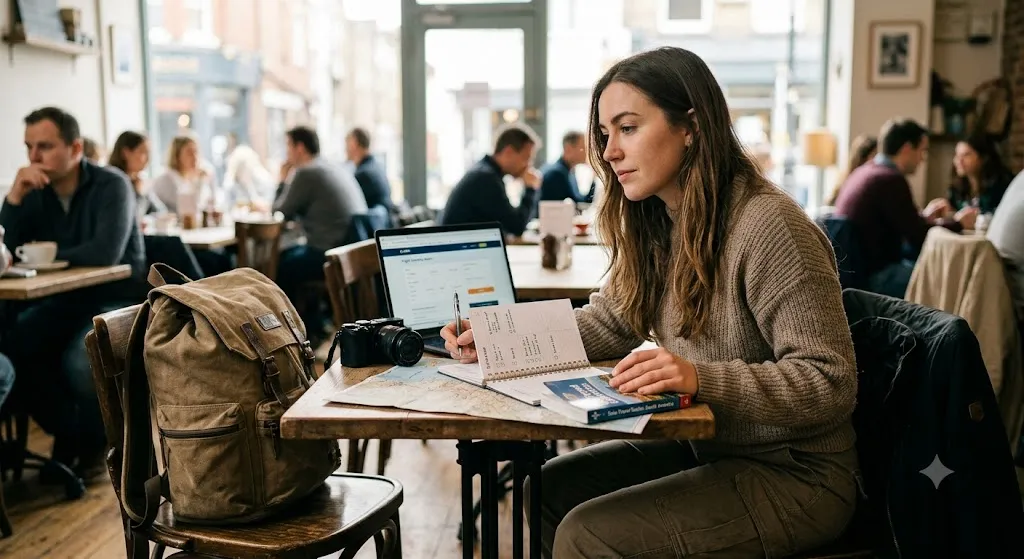
Good solo travel safety is usually quiet and ordinary. It is charged phone batteries, sensible transportation choices, awareness of your surroundings, and trusting the feeling that tells you to leave a situation. You do not need to look frightened or overly guarded to be careful.
Share your itinerary, accommodation details, and flight information with someone you trust. Check in at an agreed time, particularly when you arrive somewhere new or take a longer transit route. Keep copies of key documents in a secure digital location, separate from the physical originals you carry.
When out for the day, take only what you need. Keep your phone charged, carry a portable battery, and know the local emergency number. If you are drinking alcohol, set your own limit and keep control of your drink. These are practical habits, not rules designed to make travel less fun.
Pay attention to transportation after dark. Use licensed taxis or reputable ride services where appropriate, confirm the vehicle details before getting in, and avoid advertising that you are alone to people who do not need to know. Confidence comes from having a plan, but it also comes from giving yourself permission to change that plan.
Leave room to meet people on your terms
Traveling solo does not mean you have to be alone all day. A group walking tour, food experience, local workshop, or day trip can provide easy social contact without the pressure of finding a travel companion. You can enjoy a conversation, exchange recommendations, and still return to your own quiet space afterward.
Choose social opportunities that match your energy. Some travelers love shared hostel lounges and pub trivia. Others would rather spend an afternoon in a bookstore and chat briefly with a guide. There is no prize for being the most outgoing person in the room.
At the same time, protect your boundaries. You can decline an invitation, leave a conversation, or change seats at dinner without explaining yourself. Solo travel is a useful reminder that your comfort is a valid reason for any decision.
Prepare for the first 24 hours
The first day sets the emotional tone of a solo trip. Pack your essentials in your personal item, including medication, identification, a payment backup, charger, and one change of clothes if possible. Download maps and reservation details before you lose reliable service.
After checking in, do one easy thing. Walk around the immediate area, buy water and a snack, find the nearest transit stop, or sit down for a simple meal. You do not need to prove you are an adventurous traveler within an hour of landing. Getting oriented is progress.
A solo trip will almost certainly include one wrong turn, one plan that falls through, or one moment when you wish you had someone else to ask. Those moments are not evidence that you planned badly. They are where self-trust begins to grow. Go prepared, stay curious, and let yourself discover that you can handle more than you think.
Frequently Asked Questions (FAQ)
1. What is the best destination for a first solo trip?
Choose a safe, walkable destination with reliable public transportation, good accommodation options, and activities that match your interests.
2. How much should I budget for solo travel?
Budget for transportation, accommodation, food, activities, local transport, and an emergency fund to cover unexpected expenses.
3. Is solo travel safe?
Solo travel can be safe with proper planning. Research your destination, share your itinerary with someone you trust, stay aware of your surroundings, and use reputable transportation.
4. Should I plan every day of my solo trip?
No. Book essential transportation and accommodation, but leave free time for spontaneous experiences and relaxation.
5. How can I meet people while traveling alone?
Join walking tours, food tours, workshops, day trips, or stay in social accommodations if you want opportunities to meet other travelers.
Key Takeaways
- Start with a destination that matches your experience and comfort level.
- Create a realistic budget that includes an emergency cushion.
- Book essential travel arrangements but keep your itinerary flexible.
- Prioritize safety by researching your destination and sharing your plans.
- Allow yourself time to explore, relax, and enjoy spontaneous experiences.
- Solo travel builds confidence, independence, and unforgettable memories.
Sources
- U.S. Department of State – Travel Advisories: https://travel.state.gov/
- Centers for Disease Control and Prevention (CDC) – Travelers’ Health: https://wwwnc.cdc.gov/travel
- World Tourism Organization (UN Tourism): https://www.unwto.org/
- Lonely Planet – Solo Travel Guides: https://www.lonelyplanet.com/
- Rick Steves Europe – Travel Tips: https://www.ricksteves.com/travel-tips
Ana Milojevik
About the Author
Ana Milojevik is a writer and contributor at Quotela.net, a general-interest publication covering business, health, technology, travel, personal development, quotes, and digital trends. She enjoys researching practical topics and creating informative content that helps readers discover new ideas, insights, and useful perspectives.