7 Life Lessons from Ancient Civilizations That We’ve Ignored
In our race toward a high-tech, AI-driven 2026, we often assume that “newer” always means “better.” We look at our smartphones and believe we are the most advanced humans to ever live. However, while our technology has evolved, our biology and psychology remain largely the same as they were thousands of years ago.
In a world driven by rapid innovation, many of us are rediscovering the value of ancient wisdom for modern life. While technology continues to evolve, the core challenges of human existence remain unchanged. By revisiting powerful lessons from ancient civilizations, we can uncover timeless strategies for balance, resilience, and meaningful living in today’s fast-paced world.
By sprinting toward the future, we have accidentally left behind some of the most vital “Smart Ideas” ever conceived. From the streets of Ancient Rome to the temples of the Maya, these seven ignored lessons offer a blueprint for a more balanced, inspired, and meaningful life today.
1. The Stoic “Pre-Mortem” (Ancient Rome)
Stoicism is an ancient philosophy that teaches the development of self-control, resilience, and rational thinking in the face of uncertainty. Rather than trying to control external events, Stoicism focuses on mastering one’s internal reactions and accepting what cannot be changed. Philosophers like Seneca emphasized that true strength comes from preparing the mind for adversity, not avoiding it. This mindset allows individuals to remain calm, focused, and grounded regardless of external circumstances.
The Romans, particularly the Stoic philosophers like Seneca, practiced Premeditatio Malorum—the premeditation of evils. While modern “toxic positivity” tells us to only think about success, the Stoics believed in imagining everything that could go wrong.
- The Lesson: By visualizing potential setbacks, you strip them of their power to cause panic.
- The Smart Idea: Instead of just a “vision board” for your goals, create a “plan B” for your challenges. It builds a level of resilience that optimism alone cannot provide.
“He robs present ills of their power who has perceived their coming beforehand.” — Seneca
2. The Maya “Seven Generations” Rule (Ancient Mesoamerica)
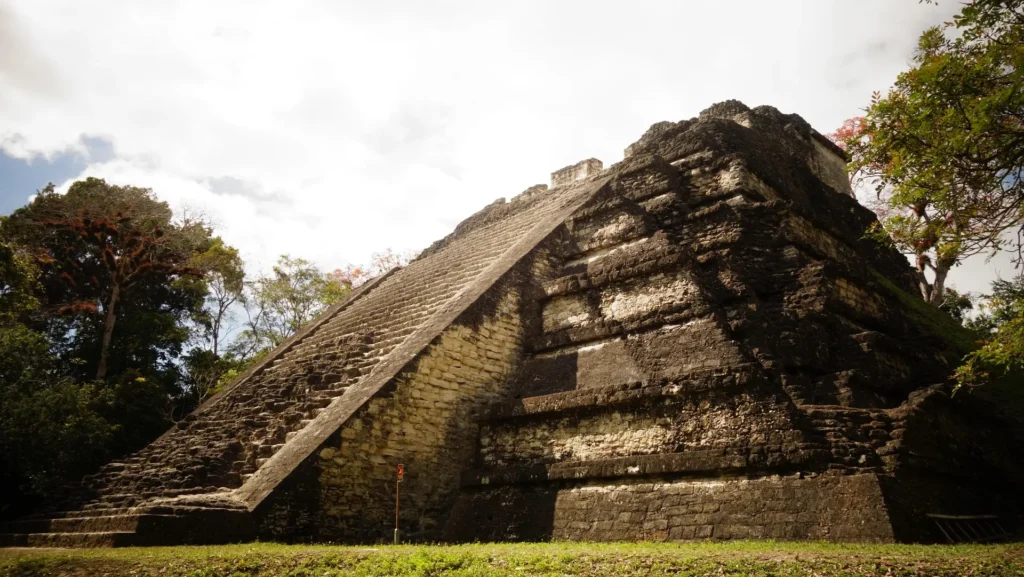
The Maya and many Indigenous North American cultures lived by a principle of long-term stewardship. Every major decision—whether regarding land, resources, or law—was weighed against how it would affect the seventh generation to follow.
- The Lesson: Our modern “quarterly growth” mindset is destructive.
- The Smart Idea: Apply this to your personal life. Don’t just ask if a purchase or a career move makes you happy today. Ask what kind of legacy it leaves for those who will never meet you.
3. The Greek Eudaimonia vs. Hedonia (Ancient Greece)
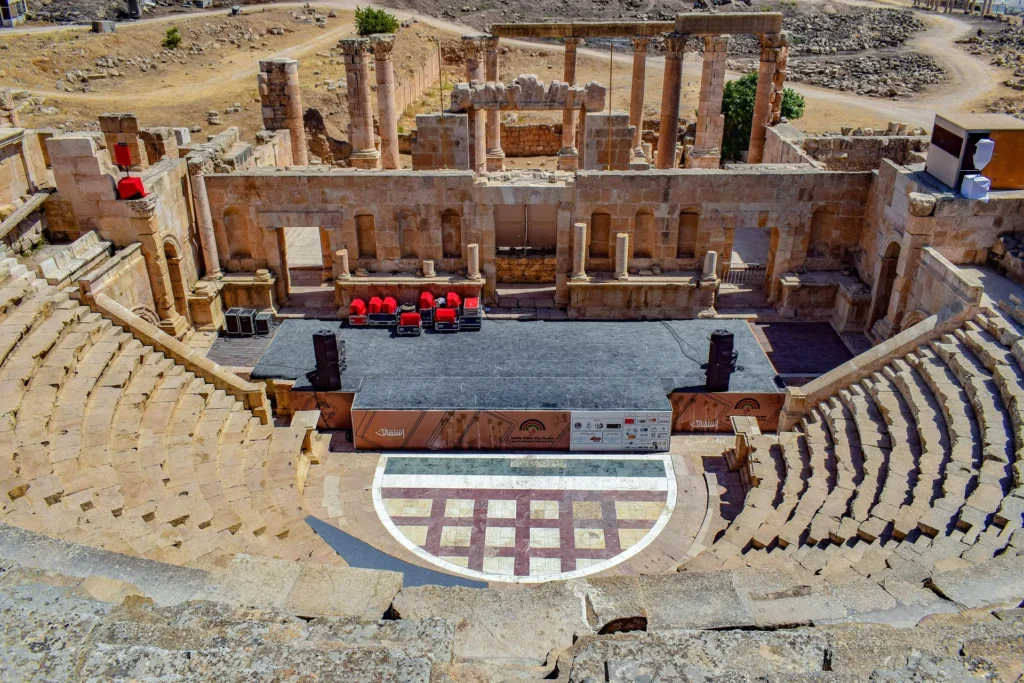
Today, we confuse “happiness” with “pleasure” (Hedonia). We chase the next notification, the next purchase, or the next dopamine hit. The Ancient Greeks championed Eudaimonia, often translated as “human flourishing” or “living in accordance with one’s highest self.” Eudaimonia is a concept meaning “human flourishing,” achieved through virtue and purpose rather than pleasure.
- The Lesson: Happiness isn’t a feeling you get; it’s a state of being you earn through virtue and excellence.
- The Smart Idea: Shift your focus from feeling good to functioning well. Mastery of a craft or helping your community provides a lasting fulfillment that a new gadget never will.
4. The Japanese Ma: The Power of the Space Between (Ancient Japan)
In modern life, we feel the need to fill every second with “content.” If we are standing in line, we check our phones. The Japanese concept of Ma (間) refers to the “pure space” or the silence between notes. It suggests that the emptiness is just as important as the objects.
- The Lesson: Beauty and clarity are found in the gaps, not just the “stuff.”
- The Smart Idea: Practice “Digital Ma.” Schedule 10 minutes a day of zero input—no podcasts, no music, no scrolling. Let your mind breathe in the silence.
5. Egyptian Ma’at: The Law of Cosmic Balance (Ancient Egypt)
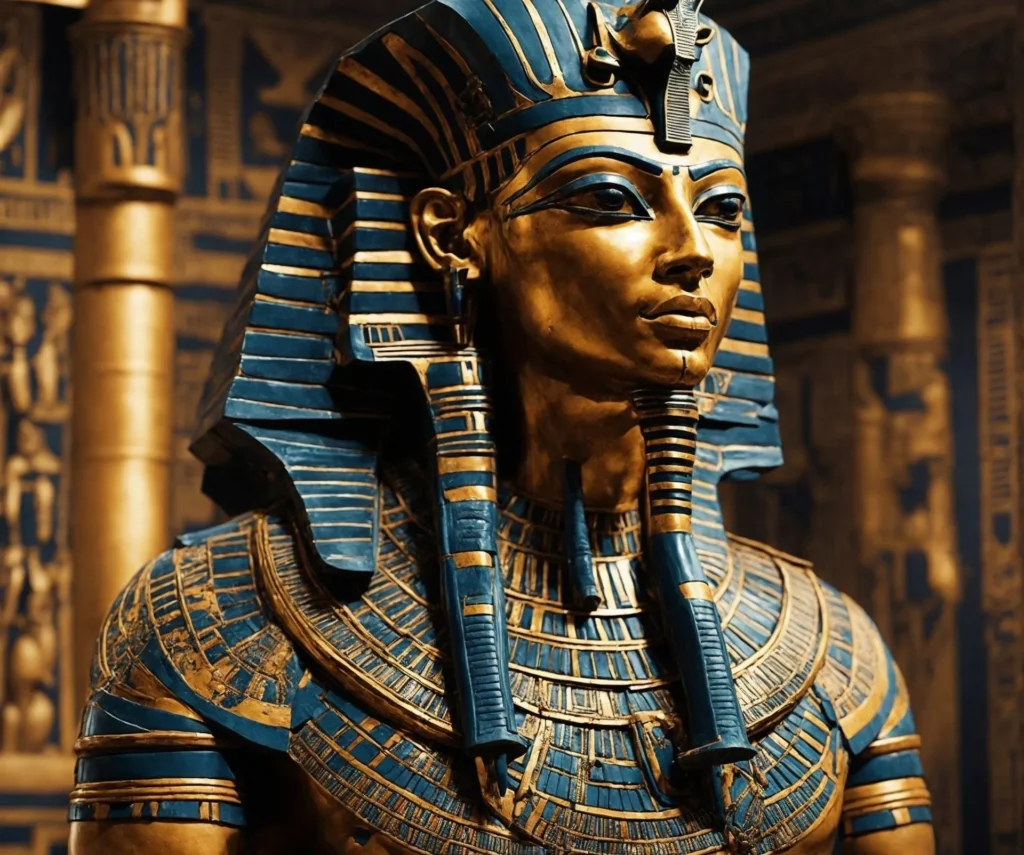
The Egyptians believed in Ma’at, a concept encompassing truth, balance, order, and harmony. To them, the universe functioned because everything stayed in its rightful proportion. When we overwork or over-consume, we break our internal Ma’at.
- The Lesson: Success at the expense of health or family is not success; it is an imbalance that the “universe” (or your body) will eventually correct.
- The Smart Idea: Audit your life weekly. Where is the scale tipping too far? Correct the balance before the “weight” of burnout forces you to.
6. The Vedic Dinacharya: Aligning with the Sun (Ancient India)
Thousands of years before we discovered “circadian rhythms,” the Vedic traditions of India practiced Dinacharya—a daily routine aligned with the cycles of nature. They understood that the human body is an extension of the earth’s rhythm.
- The Lesson: You are not a machine that can run at 100% capacity 24/7.
- The Smart Idea: Stop fighting your biology. Get sunlight in your eyes within 30 minutes of waking and dim the lights after sunset. Nature’s schedule is the ultimate productivity hack.
7. The Ubuntu Philosophy: “I Am Because We Are” (Ancient Africa)
While Western society has become increasingly individualistic, the African philosophy of Ubuntu reminds us that our humanity is caught up in the humanity of others. A person is only a person through other people.
- The Lesson: The “self-made” person is a myth. We are a collection of the support, sacrifices, and interactions of our community.
- The Smart Idea: Invest in “Social Capital.” Instead of networking for what you can get, engage with your community for what you can give. Your net worth is your network, but only if that network is built on genuine connection.
“A traveler through a country would stop at a village and he didn’t have to ask for food or for water. Once he stops, the people give him food and attend to him.” — Nelson Mandela on Ubuntu
| Civilization | Core Concept | Modern Application |
|---|---|---|
| Ancient Rome | Pre-Mortem | Prepare for setbacks to build mental resilience. |
| Maya | Seven Generations | Make decisions based on long-term legacy. |
| Ancient Greece | Eudaimonia | Focus on soul-flourishing over fleeting pleasure. |
| Ancient Japan | Ma (The Space Between) | Embrace silence and digital detoxing. |
| Ancient Egypt | Ma’at | Maintain cosmic balance between work and life. |
| Ancient India | Dinacharya | Align your daily habits with natural light cycles. |
| Ancient Africa | Ubuntu | Prioritize community and mutual support. |
Were the Ancients Actually Smarter Than Us?
It is a common modern fallacy to equate technological advancement with superior intelligence. While we possess more accumulated data and faster tools in 2026, ancient civilizations often demonstrated a higher level of applied wisdom and intuitive understanding of the human condition. Without the distractions of the digital age, ancient thinkers in Greece, India, and Egypt focused intensely on “First Principles”—the fundamental truths of nature, social harmony, and the self.
They weren’t necessarily “smarter” in terms of raw brain capacity, but they were arguably more attuned to the long-term consequences of their actions and the delicate balance of the environment. Their brilliance lay in their ability to build structures, philosophies, and social systems that lasted for millennia, whereas our modern “smart” solutions often prioritize immediate convenience over permanent stability. By revisiting their teachings, we aren’t just looking at history; we are accessing a refined manual for holistic intelligence that we have largely traded for processing power.
Final Thoughts for Quotela Readers
In an era defined by AI and rapid change, returning to our ancestral roots offers a grounded perspective on mental well-being. These seven lessons are more than history; they are actionable insights for anyone seeking a more intentional lifestyle. When we bridge the gap between ancient philosophical traditions and 2026 innovation, we stop merely surviving and start flourishing. Let the wisdom of the past anchor your future growth, ensuring that your path forward is guided by purpose, balance, and community connection.
The enduring value of ancient philosophy for modern living reminds us that true progress is not just technological, but deeply human. These timeless life lessons offer a powerful framework for achieving balance, improving mental well-being, and building a more intentional lifestyle in today’s fast-paced world.
As we continue to evolve in an AI-driven era, integrating historical wisdom with modern innovation can help us create a more sustainable and fulfilling future—one rooted not just in efficiency, but in meaning, connection, and long-term thinking.
Key Takeaways
- Ancient wisdom emphasizes long-term thinking over short-term gain
- True fulfillment comes from purpose, not pleasure
- Balance, rhythm, and community are essential for well-being
Frequently Asked Questions
1. Why is ancient wisdom still relevant in 2026?
While our technology changes rapidly, human psychology remains the same. Ancient civilizations spent centuries mastering the art of living, focus, and community—areas where modern society often struggles with burnout and isolation.
2. What is the Japanese concept of “Ma”?
Ma refers to the “pure space” or the silence between actions. In a world of constant digital noise, practicing Ma helps us reclaim our focus and mental clarity by appreciating emptiness.
3. How does the “Seven Generations” rule work?
Originating from the Maya and various Indigenous cultures, this rule suggests that every major decision should be weighed based on its impact on people seven generations into the future, promoting long-term sustainability over short-term gain.
4. Can I apply Stoic principles to my career?
Absolutely. By practicing the “Pre-Mortem” (anticipating challenges), you build professional resilience. It allows you to stay calm and effective when projects don’t go as planned.
5. What is the difference between happiness and Eudaimonia?
Modern happiness is often “Hedonic” (seeking fleeting pleasure). Eudaimonia is an Ancient Greek concept focused on “human flourishing” through purpose, virtue, and reaching one’s highest potential.
Related posts:
 TikTok-Famous Food Trends: Viral Recipes and Kitchen Hacks That Took Over 2025
 Making Mistakes Safely: The Smarter Way to Learn Trading with Quotex
 Is the Traditional Classroom Model Still Relevant in the Age of Hybrid Learning?
 Smart Borrowing: Tips for Choosing an Auto Loan You Can Afford
 Unearthing the Past: What is the Oldest City in the World?
This is exactly the perspective shift I needed for 2026. I’ve been struggling with burnout, and the Egyptian concept of Ma’at really hit home. We often prioritize career growth over personal well-being, but as this article suggests, true success requires a holistic balance. I’ve already started implementing the ‘Pre-Mortem’ in my project planning to build better emotional resilience at work. Great read!
Thank you, Elena! I’m so glad to hear that Ma’at resonated with you. In our 2026 ‘always-on’ culture, it’s so easy to let the scales tip too far toward work. Implementing a Pre-Mortem is a brilliant way to protect your mental space—it’s about being proactive rather than reactive. Good luck with your project planning!
I love the mention of Dinacharya! We talk so much about biohacking these days, but aligning our circadian rhythms with natural light is the original health hack. Combining ancient wisdom with modern wellness trends is the best way to navigate our high-tech world. Also, the section on ‘Digital Ma’ is a great reminder for anyone needing a digital detox to improve their mental clarity.
Hi Peter and Sofia! It’s fascinating how modern biohacking is essentially just us rediscovering Dinacharya. Sofia, you’re spot on—we are biological beings first, and when we respect those natural rhythms, productivity becomes a natural byproduct rather than a forced effort. Glad the ‘Digital Ma’ reminder helped!
The ‘Seven Generations’ rule is such a powerful framework for sustainable living. In a world obsessed with instant gratification and ‘fast’ everything, looking toward the long-term impact of our choices is a must. This isn’t just a history lesson; it’s a manual for ethical consumerism and building a lasting family legacy. Thanks for sharing these intentional lifestyle tips, Quotela!
Sarah and Kenji, you both hit on a crucial point regarding stewardship. Our current ‘fast’ culture often ignores the long-term legacy the Maya lived by. Kenji, I agree—if we infused today’s innovation with that ‘Seven Generations’ mindset, our tech would serve humanity much more deeply. Thanks for reading.
Excellent point about the difference between Eudaimonia and Hedonia. We are currently living in a ‘dopamine economy,’ and the Ancient Greek approach to human flourishing through virtue is the perfect antidote. It’s interesting to think that while our processing power has increased, our philosophical traditions actually peaked thousands of years ago. We definitely need more applied wisdom in our AI-driven age.
David and Dr. Sterling, I appreciate your professional insights on the ‘attention economy.’ You’ve highlighted the core of the issue: we are hunting for Eudaimonia in a landscape built for Hedonia. Shifting our focus back to virtue and mastery is truly the ultimate ‘Smart Idea’ for mental health in this digital age.
As someone who works in social services, the Ubuntu philosophy is my daily North Star. In 2026, it’s easy to feel isolated despite being ‘connected’ online. Investing in social capital and focusing on what we can give to our local community is the only way to combat the modern loneliness epidemic. This article is a beautiful reminder that our human connection is our greatest strength.
Amara and Miriam, your work in social services and team leadership makes your perspective on Ubuntu so valuable. We can’t thrive in isolation. Recharging that ‘human battery’ through community connection is exactly what Quotela is about. Thank you for sharing this with your teams.
The concept of Ma is a game-changer for my daily commute. Instead of scrolling, I’m learning to just be. Simple but profound!
Thanks Leo and Chloe! Sometimes the simplest concepts like Ma (the space between) are the hardest to practice but offer the biggest rewards. Here’s to a more intentional lifestyle and less ‘hustle’.
Finally, an article that doesn’t just push ‘hustle culture.’ Ma’at and balance are the real secrets to long-term success.
As a researcher in behavioral psychology, I find the comparison between Eudaimonia and Hedonia incredibly relevant to our current ‘attention economy.’ We are biologically wired for the deep satisfaction that comes from virtue and mastery, yet we are constantly distracted by cheap dopamine. This article perfectly illustrates why looking back at Ancient Greek philosophy is actually a step forward for our mental health and collective human flourishing.
I love how you connected Dinacharya to modern productivity. I’ve been experimenting with intermittent fasting and circadian lighting, and seeing the ancient roots of these practices makes them feel much more sustainable. It’s a reminder that we aren’t just ‘users’ of technology; we are biological beings who need to stay grounded in natural rhythms to avoid the burnout so common in this digital age.
The section on the Seven Generations rule is a much-needed critique of our current ‘move fast and break things’ tech culture. If the engineers and CEOs of today adopted a Maya-inspired stewardship mindset, we’d be solving much larger problems than just the next app update. Integrating ancient ethics into modern innovation is the only way we ensure a future worth living in for our descendants.
Ubuntu is such a refreshing antidote to the extreme individualism we see online. In my experience, personal growth is hollow if it doesn’t involve some form of community service or mentorship. This post is a beautiful reminder that while our tools are new, our need for genuine connection and shared humanity is as old as time itself. Definitely sharing this with my team.
I find this synthesis of ancient wisdom and modern technology to be one of the most refreshing takes I’ve read in 2026. We often suffer from ‘chronological snobbery’—the mistaken belief that because we have superior processing power, we also have superior perspectives on mental health and social harmony.
The inclusion of Ma’at and Ubuntu is particularly poignant. In the West, we’ve optimized for the individual to such an extreme that we’ve fractured the ‘human battery’ that only community can recharge. Similarly, our lack of circadian rhythm alignment (Dinacharya) is creating a biological tax that no amount of caffeine or AI-driven productivity hacks can pay off. This article is a necessary reminder that while our tools are in the future, our ‘operating system’ is ancient. If we want to solve the burnout epidemic, we don’t need a software update; we need to return to these First Principles. I’ll be sharing this with my students as a prime example of how intentional living and philosophical traditions are the true keys to a sustainable future.
Alistair, what a profound way to put it—our ‘operating system’ is indeed ancient, regardless of our modern hardware. I love the term ‘chronological snobbery’; it’s a trap we all fall into. I am honored that you’ll be sharing these First Principles with your students. That is exactly how we ensure this wisdom isn’t ignored for another generation.