No-Spend Challenges: The Viral Budget Reset
With the cost of living rising and financial anxiety at an all-time high, no-spend challenges have become one of the biggest viral trends. These challenges are inspiring thousands of people to rethink their shopping habits, achieve ambitious savings goals, and rediscover the value of mindful spending. Whether you’re motivated by necessity or just crave a fresh financial start, a no-spend challenge could be the game-changer you need.

What Is a No-Spend Challenge?
A no-spend challenge is a self-imposed commitment to avoid non-essential spending for a set period—often a week, month, or even a full year. Essentials like rent, groceries, medications, and bills are allowed, but impulse purchases, takeout, entertainment, and shopping sprees are off-limits. Variations include “no-buy,” “low-spend,” or “slow-buy” approaches, all united by one goal: cutting out unnecessary expenses and building better money habits.
Why Are No-Spend Challenges So Popular?
- Financial Pressure: With inflation and economic uncertainty, more people are seeking ways to save and control their budgets.
- Social Media Influence: TikTok, Reddit, and YouTube communities share tips, “no-spend month” diaries, and before/after savings results, making the challenge feel doable and fun.
- Simplicity: The rules are straightforward and customizable—perfect for anyone looking for clarity amid chaotic finances.
- Immediate Wins: Many participants report saving hundreds (sometimes thousands) in a single challenge month, showing fast, tangible results.
How to Succeed at a No-Spend Challenge
- Set Clear Goals: Know if you’re saving for debt repayment, an emergency fund, or a special purchase.
- Plan Essentials: Create meal plans, stock up on groceries, and outline ongoing expenses to avoid last-minute temptation.
- Identify Triggers: Recognize situations or emotions that lead to impulse buying; seek free alternatives for entertainment and self-care.
- Find Free Fun: Try local free events, watch movies with existing subscriptions, explore outdoor activities, or enjoy home-cooked meals.
- Track Progress: Use a journal or app to celebrate savings milestones; share your journey for community accountability.
- Be Kind to Yourself: Slip-ups happen. Adapt the challenge to fit your life and reset when needed—progress, not perfection, is the goal.
Real-Life Benefits
- Financial Clarity: Spending less naturally leads to more money in savings, less debt, and greater peace of mind.
- Mindset Shift: The challenge builds awareness of what truly brings joy and helps break the cycle of consumerism.
- Community & Support: Joining online groups or doing the challenge with friends provides encouragement, new ideas, and a sense of belonging.
No-Spend Challenge: Getting Started
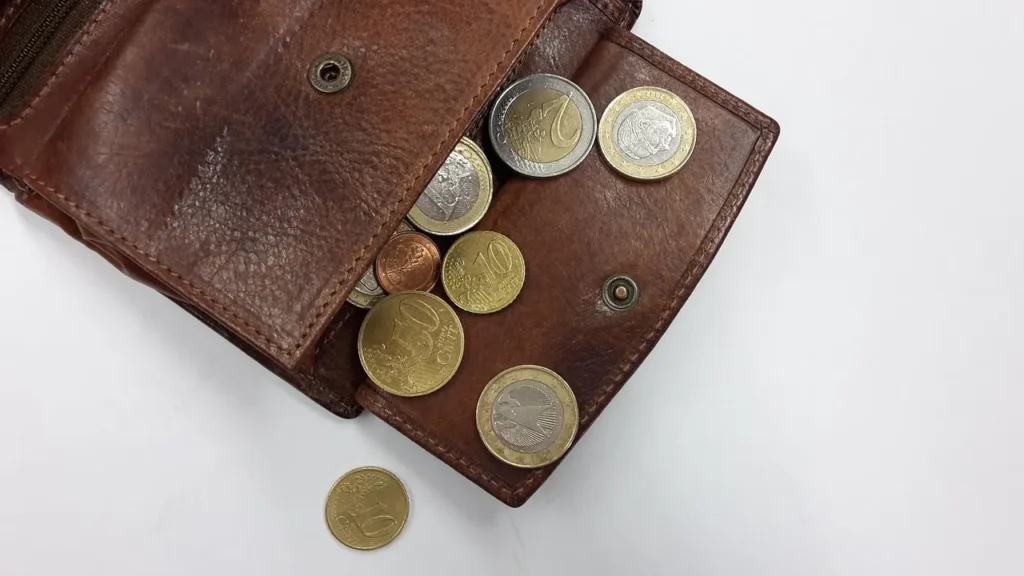
Ready to jump in? Decide your time frame (week, month, year), list your essentials, set boundaries, and tell someone about your goal for accountability. Remember, this isn’t about deprivation—it’s about regaining control, discovering creativity, and achieving your financial dreams—one no-spend day at a time.
No-spend challenges are the viral budget reset that goes way beyond “just saving money.” They’re a fast track to healthier finances, personal growth, and a more mindful relationship with your spending. If you haven’t tried one yet, now’s the time to embrace the trend and see what you can accomplish with a simple “no.”
The Psychology Behind No-Spend Challenges
No-spend challenges work not just financially, but mentally. By actively restricting unnecessary spending, participants develop stronger self-control, recognize impulsive habits, and experience a sense of accomplishment. This mindfulness helps break automatic purchasing behaviors, building long-term financial resilience and confidence. Understanding your psychological triggers for spending can make these challenges not only achievable but transformative.
Digital Tools to Support Your Challenge
Tracking your progress digitally can make a no-spend challenge easier and more engaging. Apps like Mint, YNAB, or simple spreadsheets allow you to log daily expenses, visualize your savings, and identify spending patterns. Setting alerts for unnecessary purchases or monitoring your budget in real time can prevent slip-ups and help you stay accountable throughout the challenge.
Creative Alternatives to Spending
Instead of dining out or shopping, participants can explore free hobbies and activities: reading a library book, cooking a new recipe at home, joining a local community event, or starting a DIY project. These alternatives make the challenge enjoyable while reinforcing mindful living. By discovering creative ways to spend your time, you can maintain social engagement and personal fulfillment without reaching for your wallet.
The Social and Community Aspect
No-spend challenges are often more successful when shared. Creating accountability with friends, family, or online communities adds motivation, inspiration, and even friendly competition. Sharing tips, progress updates, or creative solutions helps participants stay committed and feel part of a supportive movement. Connecting with others also provides encouragement when the challenge feels difficult.
Tracking Progress and Celebrating Wins
Regularly reviewing your savings progress reinforces positive habits and keeps motivation high. Celebrate small milestones—like completing a week without impulse purchases—with free rewards such as a relaxing evening at home, a creative project, or time outdoors. Recognizing these wins turns financial discipline into a rewarding experience, making the challenge feel achievable and enjoyable.
Long-Term Financial Habits Beyond the Challenge
The benefits of a no-spend challenge extend beyond the set period. Participants often continue practicing mindful spending, prioritize saving, and make more intentional financial choices. Over time, these habits reduce stress, increase savings, and promote a healthier relationship with money, ensuring the challenge has lasting impact on financial well-being.
Environmental Impact
No-spend challenges also have a positive effect on the environment. Reducing consumption means fewer products manufactured, shipped, and discarded. By cutting back on impulse purchases, you contribute to lower waste and a smaller carbon footprint, making this challenge a win not only for your wallet but also for the planet.
FAQ:
Q1: What is a no-spend challenge?
A: It’s a self-imposed commitment to avoid non-essential spending for a set period while covering essential expenses like bills and groceries.
Q2: How long should a no-spend challenge last?
A: Challenges can last a week, a month, or even a year—choose a time frame that fits your goals and lifestyle.
Q3: Can I still pay bills and buy groceries?
A: Yes, essentials like rent, bills, groceries, and medications are allowed; the goal is to avoid unnecessary spending.
Q4: How do I avoid impulse purchases?
A: Plan your meals, track spending triggers, and find free alternatives for entertainment or self-care.
Q5: What are the benefits of completing a no-spend challenge?
A: Financial clarity, mindset shifts, reduced debt, savings growth, and a more mindful relationship with money.
.
Related posts:
 TikTok-Famous Food Trends: Viral Recipes and Kitchen Hacks That Took Over 2025
 Making Mistakes Safely: The Smarter Way to Learn Trading with Quotex
 Is the Traditional Classroom Model Still Relevant in the Age of Hybrid Learning?
 Smart Borrowing: Tips for Choosing an Auto Loan You Can Afford
 Unearthing the Past: What is the Oldest City in the World?