How To Build a Healthier Daily Routine Without Burning Out

Feeling mentally fatigued and physically tired even after following a routine filled with healthy habits?
You wake up in the early hours of the day, try to eat clean, initiate workouts, and even spare time for some mindfulness activities, yet an inexplicable tiredness weighs you down.
Ever happened to you?
If yes, the reason is that sometimes, trying to do everything right can simply exert too much pressure. And why this is concerning because a routine that is supposed to support your health shouldn’t leave you drained and frustrated.
Your healthy daily life routine needs not to be stuffed with heavy and complicated tasks. At times, all you need to take is one step a time strategy.
Whether you are trying to stay focused on work, school, parenthood, or just staying sane, it should be effortless, not burdensome.
If all of these seem similar to you, read the full article. It focuses on how you can declutter your routine and transform it into a sustainable and relaxed lifestyle.
So, let’s explore!
1. Consider MDMA as a Supportive Tool
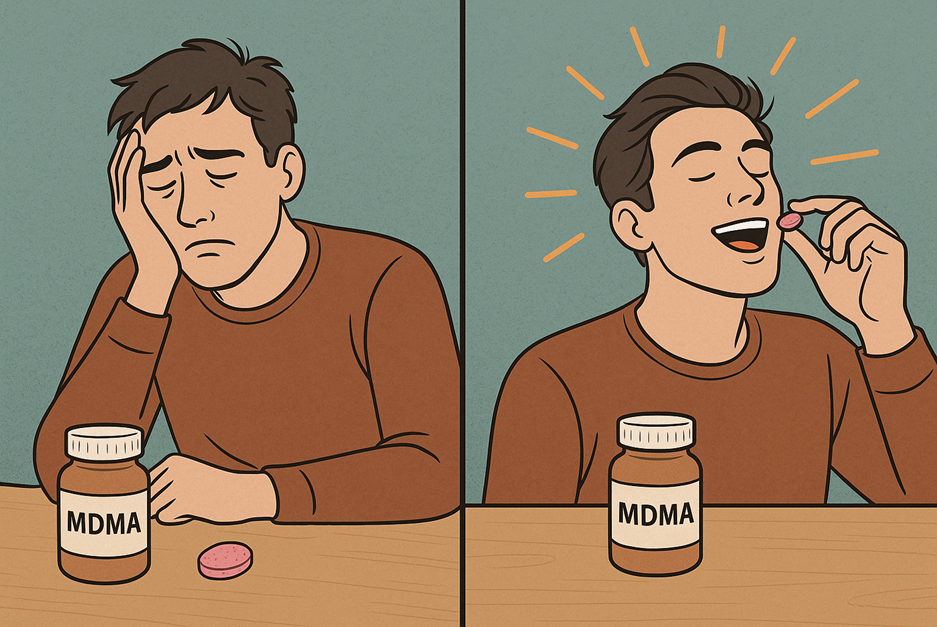
In some circumstances and settings, MDMA (3,4-methylenedioxymethamphetamine), commonly known as ecstasy in pill form or molly in powder or crystal form, if used responsibly, can be a game-changer.
The supplement has had its therapeutic effects when it comes to relieving stress, processing trauma, and emotional well-being. Under low guided doses, MDMA can prompt inward vision, mental clutter release, and bonding, which helps with reshaping unhealthy habits.
As a result, one experiences mood boosts, anxiety reduction, and enhanced motivation. Remember to always prioritize safety. Never procure an MDMA from an unreliable source.
While considering opting for MDMA, you should initiate your own research on whether it fits into your lifestyle and requirements or not. Following this, you can search for MDMA for sale online.
Ensure you tap into trusted sources only. A reliable and trusted source equips you with peace of mind that it is free from any contaminants. At last, keep in mind that, like any health tool, moderation and mindfulness matter.
2. Focus on One Change at a Time
Trying to fix everything at once is a quick way to burn out. Instead, pick one small habit to work on. Maybe it’s drinking more water, walking for ten minutes, or setting a consistent bedtime.
Stick with that one change until it feels natural. Then, build on it. This slow, focused approach helps you avoid being overwhelmed. Consistency is more important than intensity. Let your progress grow naturally rather than forcing it all at once.
3. Schedule Breaks Like You Schedule Tasks
Let’s be honest: the rest is a non-negotiable aspect. When your day is packed, burnout doesn’t just happen; it’s guaranteed. So, make room for breaks.
Do not scroll through your phones; stand up, stretch a little, breathe, and fetch some fresh air outside. Such little pauses do more than you think.
They help clear your head, lift the fog, and keep stress from piling up. A healthy routine isn’t just about what you get done. It’s how you treat yourself in the process.
4. Move Your Body Without Pressure
Exercise doesn’t need to be intense or time-consuming to be effective. The goal is to move in ways that feel good. Some days, you could feature long walks or quick yoga sessions. Other times, it could be dancing around your room or doing light stretches.
The important part is that you should enjoy it. Movement boosts mood, supports sleep, and helps manage stress. But when it feels like a chore, it becomes troublesome.
Focus less on working out and more on simply staying active in a way that fits your energy and lifestyle.
5. Create a Morning Routine That Eases You In

How you start your morning really does matter. Instead of diving straight into emails or rushing out the door, give yourself a moment. Do a little stretch, sip some water, and sit in silence.
No need for a big, fancy routine. These actions help you wake up with intention rather than chaos. Your mornings should feel like you’re starting with yourself, not against the clock.
A calm beginning sets the pace. When the morning feels smooth, generally, the rest of the day usually follows accordingly. Hence, replace chaotic mornings with organized and relaxed ones. Your future self will surely thank you for it.
6. Limit Decision Fatigue with Simple Choices
Too many decisions drain mental energy fast. That’s why even small tasks like choosing what to eat or wear can feel exhausting. A healthier routine cuts down on these choices.
Plan meals ahead of time. Prep your clothes the night before. Use simple to-do lists. These tricks free up brainpower for more important things. You’ll feel more in control and less scattered.
When your routine runs smoothly, you waste less energy deciding and more on doing actions. That clarity helps reduce stress and keeps burnout at bay.
7. Give Your Evenings a Wind-Down Window
Rushing through the day and crashing into bed won’t give you real rest. A gentle wind-down routine helps your body shift into sleep mode.
Dim the lights, avoid screens, and try calming activities like journaling or stretching. End your day slowly; don’t rush it. With this simple habit, you can fetch deeper sleep and ultimately refreshed mornings.
Bottomline
Building a healthier daily routine isn’t about doing more; it’s equally about doing what actually supports you. Small steps, mindful choices, and moments of pause matter more than a packed schedule.
When your routine feels aligned with your needs, you stop just surviving the day and start living it with more ease without frequent burnouts. Remember, rest, and joy are just as essential as productivity.
Take your time. Breathe, and let your routine work for you, not against you. Overall, aim for balance, not burnout!
Related posts:
 What Are the Most Important Reasons for Hiring Renovation Contractors in Dubai?
 Why Process Mining Without AI Document Processing is Leaving Insights on the Table
 Family Fun Nights: How to Build Lasting Traditions Together
 Future Trends in AI Tools
 How to find Top CBD Creams to Soothe Your Aches and Pains
I really needed to read this today. I’ve been feeling so mentally fatigued lately, and I realized after reading point #6 that decision fatigue was the culprit. I spend so much mental energy just deciding what to tackle first in my to-do list that I’m drained by noon. I’m going to try prepping my tasks the night before to save that brainpower. Great advice on keeping it simple.
Interesting to see the mention of MDMA as a supportive tool. I’ve been following the clinical trials regarding its therapeutic effects for processing trauma and emotional breakthroughs. It’s definitely a topic that requires a lot of ‘mindfulness and moderation’ as you mentioned. Have you seen any specific studies on how low-guided doses specifically help with reshaping unhealthy habits long-term?
The ‘one step at a time’ strategy is the only way I’ve been able to maintain a healthier daily routine without burning out. I used to try to do a 5-step morning routine and it just felt like another job. Now, I just sit in silence for five minutes with water, and the difference in my stress levels is huge. Consistency over intensity, always.
I appreciate the honesty in point #3. We often feel guilty for taking breaks, but scheduling them like tasks is a genius way to reframe it. A sustainable lifestyle shouldn’t feel like a chore. Quick question: for the ‘wind-down window,’ do you recommend any specific type of journaling to help clear the mental clutter before bed?
Yes to ‘moving your body without pressure!’ I stopped forcing myself to go to high-intensity classes and started taking long walks while listening to podcasts. My physical tiredness actually improved because I wasn’t overtaxing my nervous system every single day. Balance over burnout is my new motto.
I never thought of decision fatigue as a reason for my burnout. No wonder I’m exhausted by 5 PM! Trying the ‘prep the night before’ tip immediately.
Point #3 is a game-changer. We really do need to schedule breaks like meetings. If it’s not on the calendar, it doesn’t happen!
Starting the day with intention instead of chaos—love this. Rushing to my phone first thing was definitely making my mental fatigue worse.
Interesting perspective on using MDMA as a supportive tool. I’ve been reading about its therapeutic effects in clinical settings for anxiety reduction and processing deep-seated trauma. It’s a bold inclusion, but you’re right that when handled with ‘moderation and mindfulness,’ the potential for mental clutter release is significant. It really helps in reshaping unhealthy habits by lowering the emotional barriers we usually face.
I spent years trying to ‘optimize’ every second of my day and ended up with massive physical tiredness and burnout. This article perfectly explains why ‘more’ isn’t always better. Switching to a sustainable lifestyle meant learning to move my body without the pressure of a 60-minute gym session. The gentle wind-down routine at night has actually done more for my productivity than any 5 AM wake-up call ever did.
The advice on limiting decision fatigue is spot on. Our brain only has a certain amount of ‘fuel’ for choices each day. By automating my meals and clothes, I’ve saved so much energy for my actual work. It’s the ultimate hack for building a healthier daily routine without burning out. When your routine runs on autopilot, you stop fighting against the clock and start working with your energy.
This is a refreshing take on the ‘productivity’ trap that so many of us fall into. As someone who has spent years studying the impact of cognitive load on professional performance, I can confirm that point #6 regarding decision fatigue is scientifically one of the biggest hurdles to a sustainable lifestyle. When we over-complicate our mornings, we deplete our mental reserves before the workday even starts.
I also found the mention of MDMA as a supportive tool quite timely. There is a growing body of research regarding its therapeutic effects on the nervous system, specifically in how it can help ‘reset’ the brain’s response to chronic stress. It’s a bold but necessary conversation to have, especially when so many are struggling with adrenal fatigue and mentally fatigued states that traditional ‘clean eating’ alone can’t fix. The key, as you mentioned, is that inward vision—using these tools not as an escape, but as a way to clear the mental clutter and build a routine that actually supports emotional well-being. Truly a balance-over-burnout masterpiece!
I used to wake up feeling so physically tired even after 8 hours of sleep, and I finally realized it was my ‘chaotic’ morning routine. Swapping my phone for a glass of water and five minutes of quiet has been a total mental clutter release. It’s the ultimate way to build a sustainable lifestyle without the constant pressure to ‘do more.’ Thank you for this reminder that rest and joy are productive.