Healthy High-Protein Breakfast Ideas: Delicious Ways to Start Your Day
Quick answer: A good high-protein breakfast contains roughly 20-30 grams of protein, paired with fiber and healthy fats. Easy options include eggs, Greek yogurt, cottage cheese, overnight oats, and protein smoothies, and most take under 10 minutes or can be prepared the night before.
If your usual breakfast is a pastry, a bowl of sugary cereal, or just coffee, you have probably noticed the hunger that returns by mid-morning. Protein is one of the simplest ways to change that. It digests more slowly than refined carbohydrates, which helps you feel full for longer, and it supplies the amino acids your body uses to maintain and repair muscle.
You do not need special ingredients or an hour in the kitchen to get there. Everyday foods such as eggs, Greek yogurt, cottage cheese, oats, nuts, and beans can all deliver a satisfying amount of protein, whether you like your mornings sweet or savory.
Below you will find 10 practical breakfast ideas, a table showing how much protein common ingredients contain, tips for busy mornings, and a few mistakes to avoid. Each idea is simple to customize, so you can pick two or three that fit your taste and routine.
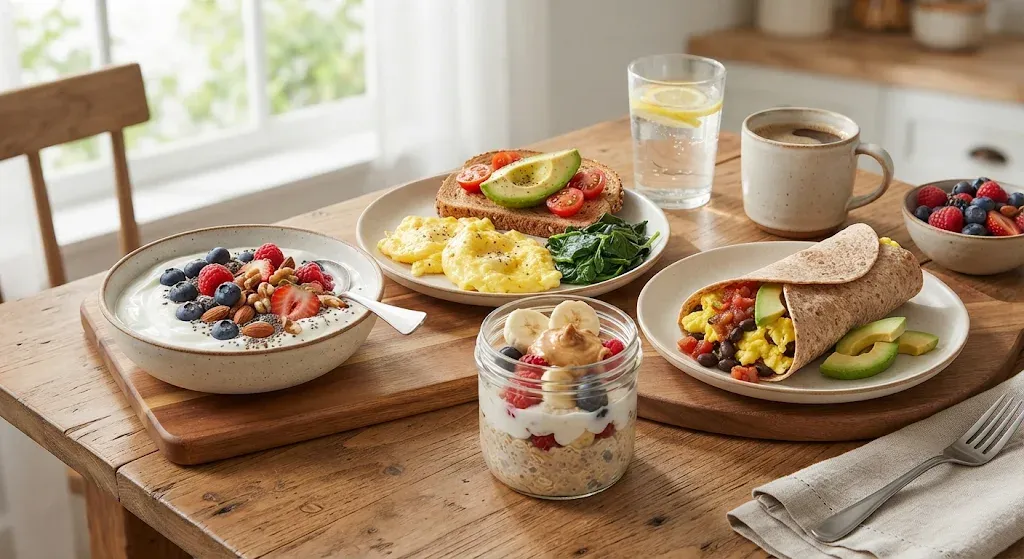
Why Choose a High-Protein Breakfast?
Including protein in your morning meal offers several nutritional benefits. Unlike a breakfast based mainly on refined carbohydrates and added sugars, a balanced meal containing protein, fiber, and healthy fats may help you feel satisfied for longer.
Here are some reasons to consider adding more protein to breakfast:
- Supports muscle health: Protein provides amino acids that help maintain and repair muscle tissue.
- Promotes fullness: Protein can increase satiety, helping you feel satisfied between meals.
- Supports weight management: Protein-rich meals may help reduce hunger and make it easier to maintain balanced eating habits.
- Provides essential nutrients: Foods such as eggs, yogurt, nuts, and seeds supply additional vitamins and minerals.
- Supports overall health: Protein is necessary for immune function, tissue repair, and the production of enzymes and hormones.
A nutritious breakfast should not focus on protein alone. Combining protein with whole grains, fruits, vegetables, and healthy fats creates a more balanced meal.
10 Healthy High-Protein Breakfast Ideas
You do not need expensive ingredients or complicated recipes to prepare a protein-rich breakfast. The following options offer a combination of flavor, convenience, and nutritional value.
1. Greek Yogurt with Berries and Nuts
Greek yogurt is one of the easiest ways to add protein to your morning routine. It generally contains more protein than regular yogurt because of its production process.
To prepare this breakfast, place plain Greek yogurt in a bowl and add fresh strawberries, blueberries, or raspberries. Sprinkle chopped almonds, walnuts, chia seeds, or pumpkin seeds on top.
You can also add a small amount of honey if you prefer a sweeter taste.
Why it is healthy: Greek yogurt provides protein and calcium, while berries contribute fiber, antioxidants, and vitamins. Nuts and seeds add healthy fats and additional nutrients.
2. Scrambled Eggs with Whole-Grain Toast
Eggs are an affordable and versatile source of high-quality protein. They contain all nine essential amino acids, making them a complete protein source.
Prepare two scrambled eggs using a small amount of olive oil or butter. Serve them with whole-grain toast and a side of sliced tomatoes, spinach, or avocado.

For additional protein, you can add cottage cheese or a small portion of smoked salmon.
Why it is healthy: Eggs provide protein, vitamin B12, and choline. Whole-grain bread supplies fiber, while vegetables add important vitamins and minerals.
3. Protein Overnight Oats
Overnight oats are an excellent choice for people who want a convenient breakfast that can be prepared the evening before.
Combine rolled oats, milk or unsweetened soy milk, plain Greek yogurt, and chia seeds in a container. Stir the ingredients together, cover, and refrigerate overnight.
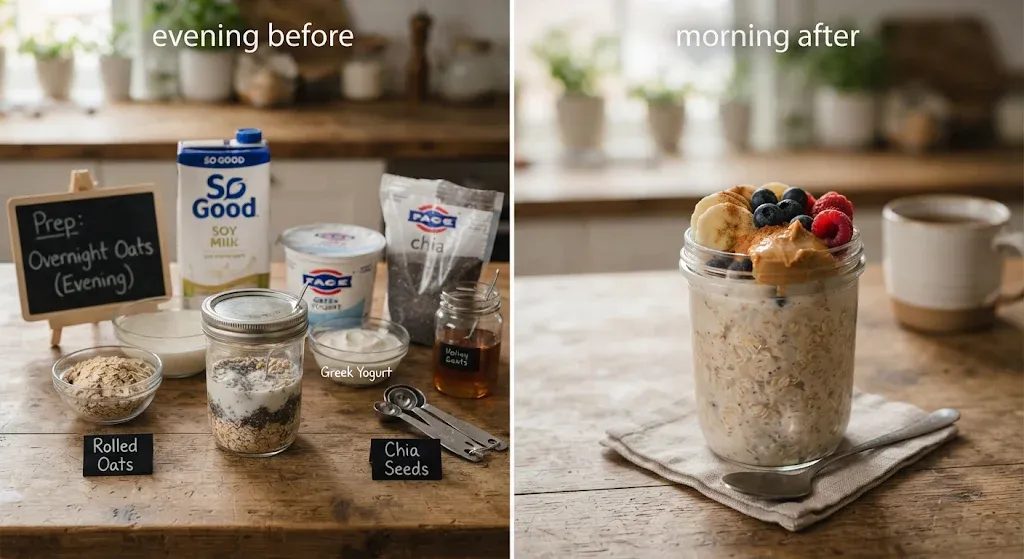
In the morning, add sliced banana, berries, cinnamon, or a spoonful of peanut butter.
Why it is healthy: Oats provide complex carbohydrates and soluble fiber, while Greek yogurt and milk contribute protein. Chia seeds also provide fiber and healthy fats.
4. Cottage Cheese with Fresh Fruit
Cottage cheese is a protein-rich dairy product that works well in both sweet and savory breakfast combinations.
Place cottage cheese in a bowl and add pineapple, peaches, strawberries, or sliced banana. For extra texture, sprinkle some walnuts, almonds, or flaxseeds on top.
If you prefer savory flavors, combine cottage cheese with cucumber, cherry tomatoes, black pepper, and fresh herbs.
Why it is healthy: Cottage cheese provides protein and calcium, while fruit contributes fiber and essential vitamins. Choosing plain cottage cheese without added sugar is a simple way to keep this meal nutritious.
5. Vegetable Omelet
A vegetable omelet is a satisfying breakfast that combines high-quality protein with a variety of vegetables.

Whisk two eggs in a bowl and pour them into a lightly heated nonstick pan. Add spinach, mushrooms, bell peppers, onions, or tomatoes. Cook until the eggs are fully set.
You can also include a small amount of feta cheese for additional flavor and protein.
Why it is healthy: Eggs provide complete protein, while vegetables contribute fiber, antioxidants, and micronutrients. This breakfast is also easy to customize according to your preferences.
6. Peanut Butter and Banana Whole-Grain Toast
For a quick breakfast that requires very little preparation, whole-grain toast with peanut butter and banana is a practical option.
Spread natural peanut butter over one or two slices of whole-grain bread. Add banana slices and sprinkle with cinnamon or chia seeds.
For a higher-protein version, serve it with a glass of milk or a small bowl of Greek yogurt.
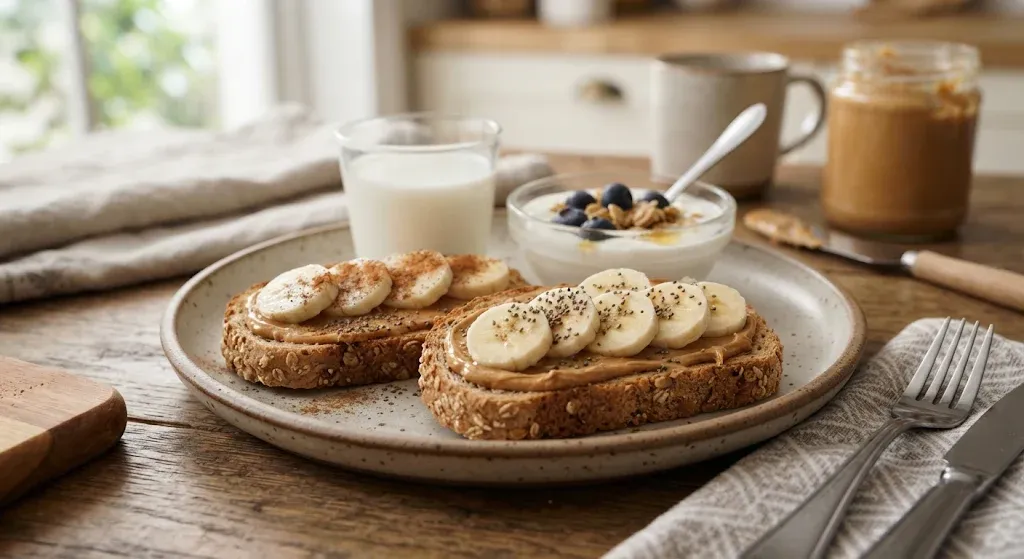
Why it is healthy: Peanut butter provides plant-based protein and healthy fats, while whole-grain bread offers fiber. Bananas contribute potassium and carbohydrates that help provide energy.
7. Smoked Salmon and Avocado Toast
If you enjoy savory breakfasts, smoked salmon and avocado toast offer a flavorful combination of protein and healthy fats.
Place sliced avocado on toasted whole-grain bread and add a portion of smoked salmon. Finish with lemon juice, black pepper, and fresh dill.
You can include a boiled egg on the side if you want to increase the protein content.
Why it is healthy: Salmon provides protein and omega-3 fatty acids, while avocado contributes monounsaturated fats and fiber. Whole-grain bread adds complex carbohydrates.
8. High-Protein Breakfast Smoothie
A breakfast smoothie is a convenient option when you have limited time in the morning.
Blend together plain Greek yogurt, milk or unsweetened soy milk, a banana, berries, and a tablespoon of peanut butter or chia seeds.
If you need additional protein, you can add an appropriate serving of protein powder. However, a well-balanced smoothie can also provide plenty of nutrients without supplements.
Why it is healthy: Greek yogurt and milk contribute protein, fruit supplies vitamins and carbohydrates, and nut butter or seeds add healthy fats. Blending these ingredients creates a convenient breakfast that can be adjusted to your nutritional needs.
9. Breakfast Burrito with Eggs and Beans
A breakfast burrito is a filling option that combines animal and plant-based protein.
Prepare scrambled eggs and combine them with black beans, diced tomatoes, spinach, and a small amount of shredded cheese. Place the mixture inside a whole-grain tortilla and roll it into a wrap.

Add salsa, avocado, or fresh herbs for extra flavor.
Why it is healthy: Eggs and beans provide protein, while beans also contribute dietary fiber. Vegetables supply additional nutrients, making this a balanced and satisfying breakfast.
10. Chia Pudding with Greek Yogurt
Chia pudding is a simple breakfast that can be prepared in advance and stored in the refrigerator.
Mix two tablespoons of chia seeds with milk and a few tablespoons of plain Greek yogurt. Stir well, refrigerate for several hours or overnight, and add fresh fruit before serving.
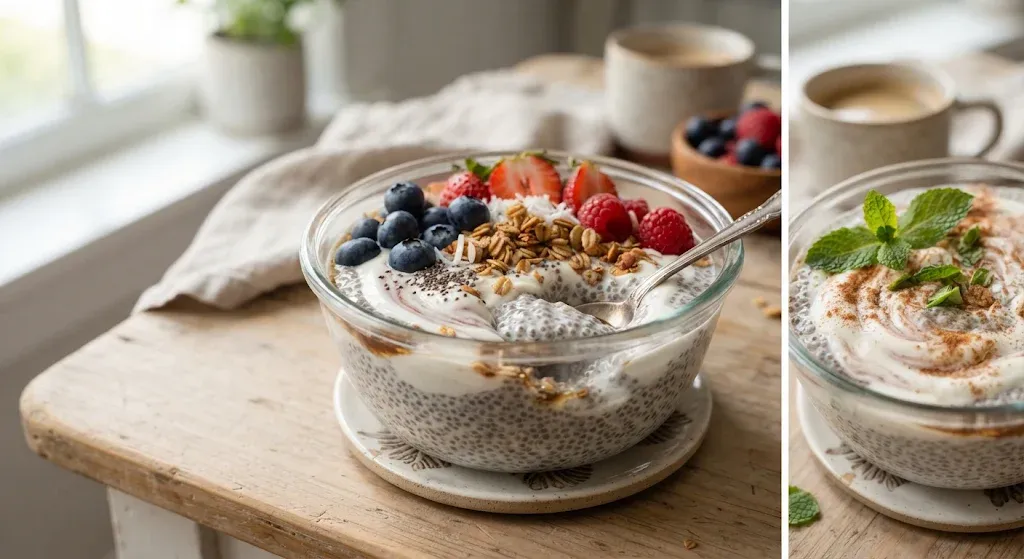
You can experiment with different combinations, including strawberries, blueberries, mango, cinnamon, or unsweetened cocoa powder.
Why it is healthy: Chia seeds contain fiber, plant-based omega-3 fatty acids, and some protein. Greek yogurt increases the overall protein content and provides calcium.
How Much Protein Should Your Breakfast Contain?
There is no single protein requirement that applies to everyone. The amount you need depends on factors such as age, body weight, physical activity, overall health, and daily nutritional requirements.
For many adults, a breakfast containing approximately 20–30 grams of protein can be a practical starting point. However, this is a meal-planning guideline rather than a strict requirement.
The recommended dietary allowance for protein for generally healthy adults is approximately 0.8 grams per kilogram of body weight per day. People who are physically active, older adults, or those with particular nutritional needs may benefit from different amounts based on individual circumstances.
Here are examples of protein-rich breakfast ingredients:
| Food | Approximate protein |
|---|---|
| 2 large eggs | 12–13 g |
| 170 g plain Greek yogurt | 15–18 g |
| 100 g cottage cheese | 11–13 g |
| 30 g almonds | 6 g |
| 2 tablespoons peanut butter | 7–8 g |
| 100 g cooked chicken breast | 30–31 g |
| 100 g cooked black beans | 8–9 g |
| 250 ml cow’s milk | 8 g |
Actual protein amounts vary depending on the brand, preparation method, and serving size. Combining several ingredients can help you reach your preferred protein target without relying on supplements.
High-Protein Breakfast Ideas for Busy Mornings
A healthy breakfast does not need to take 30 minutes to prepare. With a little planning, you can enjoy a nutritious meal even on particularly busy mornings.
Consider these practical options:
- Boiled eggs and fruit: Prepare eggs in advance and serve them with an apple or banana.
- Greek yogurt bowl: Combine plain Greek yogurt with berries and nuts in just a few minutes.
- Overnight oats: Prepare individual portions before going to bed and refrigerate them overnight.
- Cottage cheese toast: Spread cottage cheese over whole-grain toast and add tomatoes or cucumber.
- Protein smoothie: Blend milk, Greek yogurt, banana, and berries for a quick breakfast.
- Breakfast wraps: Prepare egg and vegetable wraps ahead of time and refrigerate them for convenient reheating.
Keeping basic ingredients such as eggs, yogurt, oats, nuts, and fruit available at home makes it easier to maintain a consistent breakfast routine.
Common Mistakes to Avoid When Preparing High-Protein Breakfasts
Although increasing protein intake can be beneficial, it is important to maintain a balanced approach to nutrition.
Here are some common mistakes to avoid:
1. Ignoring fiber
A breakfast containing only eggs, meat, or cheese may provide protein but lack sufficient fiber. Include vegetables, fruit, oats, or whole-grain bread to improve nutritional balance.
2. Choosing products with too much added sugar
Some flavored yogurts, breakfast bars, and packaged protein products contain considerable amounts of added sugar. Check nutrition labels and choose options with less added sugar whenever possible.
3. Depending entirely on protein supplements
Protein powders can be convenient, but they are not essential for most people. Whole foods such as eggs, dairy products, beans, nuts, and seeds provide protein alongside other valuable nutrients.
4. Eating too little variety
Relying on the same breakfast every day can limit the variety of nutrients in your diet. Rotate between eggs, dairy products, whole grains, legumes, fruits, and vegetables.
5. Forgetting portion sizes
Even nutritious foods contain calories, and ingredients such as nuts, seeds, and nut butter can be energy-dense. Pay attention to portions and consider your overall nutritional needs.
How to Make High-Protein Breakfasts Part of Your Routine
Building a consistent breakfast habit becomes easier when you focus on simple preparation rather than complicated recipes.
Start by choosing two or three breakfast options that you genuinely enjoy. Keep the necessary ingredients available and prepare certain foods in advance whenever possible.
A useful approach is to build your breakfast around three main components:
- A protein source: Eggs, Greek yogurt, cottage cheese, milk, tofu, or beans.
- A fiber-rich food: Oatmeal, whole-grain bread, berries, vegetables, or fruit.
- A source of healthy fats: Nuts, seeds, avocado, or olive oil.
You can change the ingredients throughout the week to prevent repetition and discover combinations that suit your taste.
People with specific dietary restrictions, food allergies, kidney disease, or other medical conditions should adjust their protein intake according to appropriate professional guidance.
Frequently Asked Questions
For many adults, 20-30 grams of protein at breakfast is a practical target. Your ideal amount depends on your body weight, activity level, age, and health. The general recommended intake for healthy adults is about 0.8 grams of protein per kilogram of body weight per day.
Greek yogurt, cottage cheese, tofu scramble, protein smoothies, and overnight oats made with Greek yogurt are all good egg-free options. A bowl of Greek yogurt topped with nuts and seeds can provide around 20 grams of protein or more.
Yes. Combining whole foods makes it achievable. For example, two eggs (about 12 g), a slice of whole-grain toast, and a serving of Greek yogurt (about 15 g) together reach roughly 30 grams without protein powder.
Protein can increase fullness and may help reduce hunger between meals, which can support weight management. However, overall calorie intake, food quality, and consistency matter more than any single meal.
Boiled eggs with fruit, Greek yogurt with berries, overnight oats, cottage cheese on toast, and blended smoothies all take 10 minutes or less, and several can be prepared the night before.
For most healthy people, a protein-rich breakfast is safe. People with kidney disease or other medical conditions should talk to a doctor or registered dietitian before increasing their protein intake.
Final Thoughts
Healthy high-protein breakfasts can make a valuable contribution to a balanced diet. Whether you prefer scrambled eggs, Greek yogurt with berries, overnight oats, cottage cheese, or a nutritious smoothie, there are many ways to enjoy a satisfying morning meal.
The most effective approach is to choose foods that provide protein alongside fiber, vitamins, minerals, and healthy fats. You do not need expensive supplements or complicated recipes to achieve this balance.
Start with a few simple ideas, experiment with different ingredients, and build a breakfast routine that fits your lifestyle. Consistency, variety, and balanced nutrition are more important than following a complicated meal plan.
This article is for general information only and is not a substitute for personalized medical or dietary advice.
Sources
- Harvard T.H. Chan School of Public Health – Protein
- MedlinePlus – Protein in Diet
- American Heart Association – Protein and Heart Health
- Harvard Health Publishing – Are You Eating Enough Protein?
- UCLH – High-Protein Foods
Related posts:
 Which Vitamin is Most Effective for Hair? The Best Supplements for Stronger Growth
 LIFEPAK: A Lifesaving Defibrillator Series That Changed Emergency Medicine
 10 Ways to Deal with Your Stress Without Turning to Alcoholic Drinks
 Is Hizzaboloufazic Good or Bad? What You Should Know Before Trusting the Trend
 Do-Si-Dos: Why Do Colorado Tokers Love This Strain?