5 Financial Habits That Make You Broke (And How to Fix Them)
Unconscious spending traps quietly erode wealth, turning paychecks into dust through habits rooted in impulse, denial, or outdated mindsets. Overspending on non-essentials, ignoring debt, and lifestyle inflation rank among the top culprits, often amplified by emotional triggers like those from childhood scarcity or instant gratification. These financial habits that make people broke often go unnoticed. Breaking these requires targeted awareness and simple swaps for sustainable gains.
In this video, an experienced accountant breaks down the common financial habits that quietly drain your money and prevent long-term wealth building, while sharing practical tips to improve budgeting, saving, and smarter financial decisions.
Habit 1: Impulse Buying Without a Pause
Grabbing deals or emotional purchases racks up unnecessary costs, fueled by dopamine hits that bypass budgeting. Studies on shopping behaviors link this to poor emotion regulation, where ads exploit urges for quick relief.
Fix: Implement the 48-hour rule—wait two days before non-essential buys, using that time to journal the emotional trigger. Track via apps like Mint, allocating a fixed “fun fund” monthly to satisfy urges guilt-free. This curbs 30-50% of impulse spends within weeks.
Habit 2: Lifestyle Inflation with Every Raise
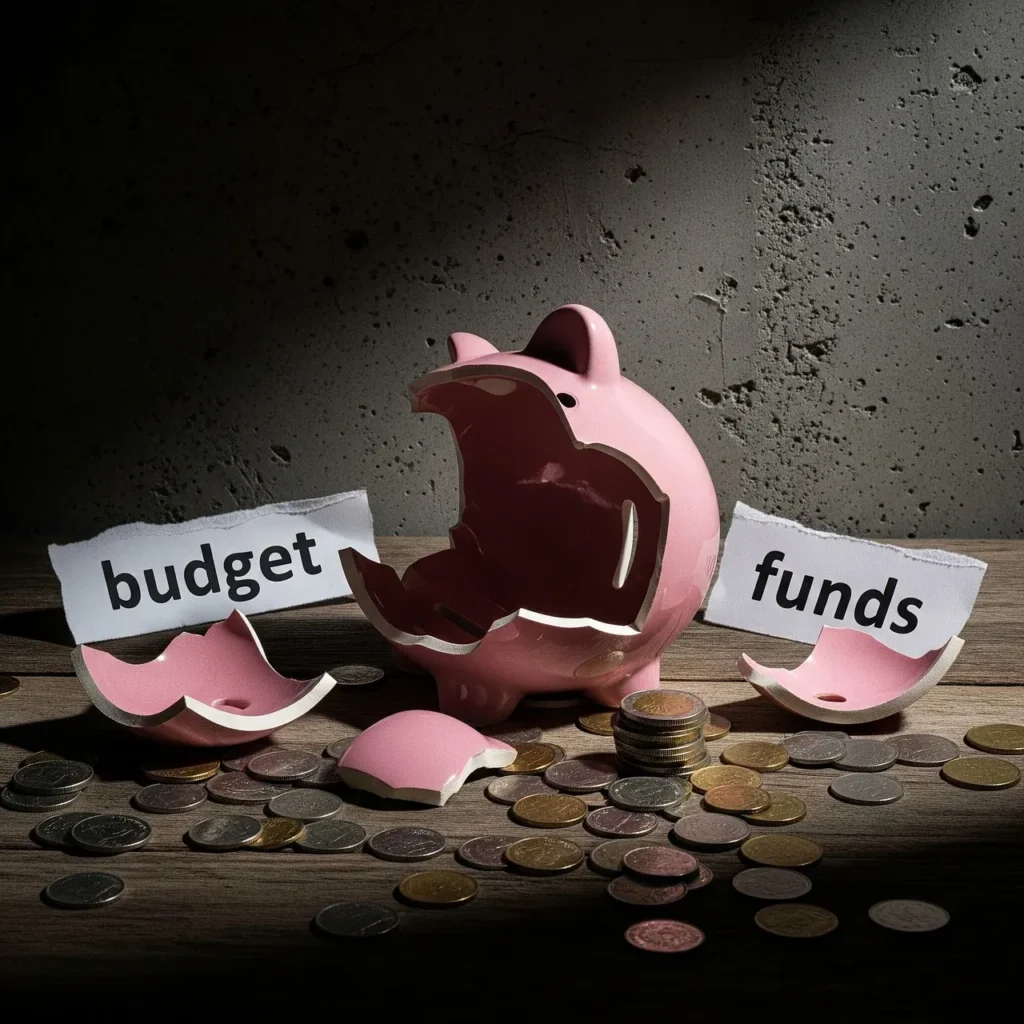
Matching income hikes to bigger homes, cars, or dining out leaves no room for savings, trapping you in a hedonic treadmill. Rising costs outpace raises, yet many boost spending by 100% of bonuses.
Fix: Automate 20% of raises into high-yield savings or investments before they hit your checking account. Use the 50/30/20 rule: 50% needs, 30% wants, 20% savings/debt. Review expenses quarterly to downsize luxuries like subscriptions.
| Bad Habit Trigger | Monthly Cost Example | Fix Savings Potential |
|---|---|---|
| New car lease | $500 | $6,000/year to investments |
| Daily lattes | $150 | $1,800/year fund |
| Unused gym | $50 | $600/year reallocate |
Habit 3: Minimum Debt Payments Only
Paying just the minimum on credit cards extends interest accrual, turning $1,000 debt into $2,500 over years at 20% APR. Denial of high-interest traps perpetuates the cycle.
Fix: List debts by interest rate (debt avalanche) or smallest balance (snowball) for payoff order. Consolidate via balance transfers at 0% intro APR. Aim to pay 2-3x minimums, freeing $200+ monthly post-payoff.
Habit 4: No Emergency Fund
Life hits—car repairs, medical bills—force high-interest borrowing without a buffer, averaging $2,000 per crisis for uninsured adults. Living paycheck-to-paycheck amplifies vulnerability.
Fix: Build a $1,000 starter fund in a separate high-yield account (4-5% APY), then expand to 3-6 months’ expenses. Cut one “want” category (e.g., eating out) to fund $100/paycheck. Automate transfers post-payday.
Habit 5: Emotional or Retail Therapy Spending
Stress-driven shopping, often tied to past traumas, creates debt spirals as purchases numb anxiety temporarily. Subscriptions and “treat yourself” culture add $200+ monthly unnoticed.
Fix: Replace with free alternatives: walks, calls to friends, or journaling triggers from earlier patterns like scarcity fears. Set a weekly review ritual, canceling unused subs via tools like Rocket Money. Therapy or financial coaching reframes money as security, not solace.
Adopting these fixes compounds wealth—redirecting $300 monthly at 7% return builds $250,000 in 30 years. Start small, track progress visually, and celebrate non-spending wins to rewire habits for lasting financial freedom.
Turning Bad Money Habits Into Lasting Financial Freedom

Breaking free from financial habits that keep you broke isn’t about perfection or deprivation—it’s about awareness and small, repeatable shifts. When you recognize bad money habits like emotional spending, ignoring debt, or unchecked lifestyle inflation, you regain control over where your money actually goes. Learning how to stop impulse spending starts with pausing, naming the trigger, and replacing reaction with intention. Over time, these micro-changes compound into real financial stability, turning money from a source of stress into a tool that supports your long-term goals instead of silently working against them.
FAQ: Financial Habits That Keep You Broke
What are the most common financial habits that keep you broke?
How does impulse spending hurt your finances?
What is lifestyle inflation, and why is it dangerous?
How can I stop impulse spending for good?
Why is paying only the minimum on debt a bad money habit?
How does not having an emergency fund keep you broke?
Is emotional spending linked to past experiences?
Can changing financial habits really improve long-term wealth?
What is the first financial habit I should fix?
Find more guides and expert tips at our main site.
Visit Quotela.netAbout the Author
Ana Milojevik is a writer and contributor at Quotela.net, a general-interest publication covering business, health, technology, travel, personal development, quotes, and digital trends. She enjoys researching practical topics and creating informative content that helps readers discover new ideas, insights, and useful perspectives.





I never realized how much lifestyle inflation was eating my raises until I saw that ‘Monthly Cost Example’ table. I used to boost my spending by 100% of every bonus, thinking I earned it, but I was just stuck on a hedonic treadmill. The 48-hour rule for impulse buying is a total game-changer for my emotion regulation. I’ve already started journaling my triggers instead of hitting ‘buy now’ on Amazon.
Paying only the minimum debt payments is such a trap! I was horrified to see how $1,000 can turn into $2,500 with a 20% APR. I’m officially starting the debt avalanche method tonight to target my highest interest rates first. Also, the tip about moving an emergency fund into a high-yield savings account at 5% APY is huge—most people just leave it in a 0.01% checking account where it loses value. Great professional advice from the accountant in the video.
The math doesn’t lie—redirecting $300 monthly at a 7% compound return to hit $250k in 30 years is the ultimate motivation. I’ve always struggled with retail therapy during stressful work weeks, but replacing that with a ‘weekly review ritual’ and canceling my unused subscriptions via Rocket Money has already freed up $150 a month. It’s all about those micro-changes and automated transfers.
Living paycheck-to-paycheck is so exhausting, and not having an emergency buffer made every car repair feel like a catastrophe. I just hit my first $1,000 starter fund by cutting back on dining out, and the ’emotional security’ is real. I love that this post addresses the childhood scarcity triggers—it makes the financial habits feel less like a failure and more like a pattern we can actually rewire. Sharing this with my family.
That section on lifestyle inflation really hit home. I used to think that a bigger paycheck automatically meant I deserved a bigger car lease, but I was just trapped on a hedonic treadmill where my expenses rose by 100% of my bonuses. The accountant in the video is spot on—if you don’t automate your savings into a high-yield account before the money hits your checking, it simply disappears. I’m adopting the 50/30/20 rule tonight to ensure my ‘needs’ don’t quietly erode my long-term wealth.
I have been stuck in a debt spiral for years because I was only making minimum debt payments. Seeing the math on how 20% APR turns $1,000 into $2,500 was a massive wake-up call. I always lived in denial about my credit cards, but using the debt avalanche method you suggested to target high-interest traps feels like a real plan. I’ve already moved my small starter fund to an account with 5% APY to protect against car repairs. Breaking these bad money habits is hard, but the compound return of $250k over 30 years is worth the effort.
The link between emotional spending and childhood scarcity was such a deep insight. I realized I was using ‘retail therapy’ to numb anxiety, which only added $200+ in unused subscriptions and impulse buys to my monthly stress. Implementing the 48-hour rule has already helped me identify my emotional triggers instead of reacting to them. It’s not about deprivation; it’s about targeted awareness. I love the idea of a ‘weekly review ritual’ to cancel the waste and redirect that cash into investments. Great tips for anyone looking to achieve lasting financial freedom.