How Friends, Family, and Social Media Secretly Control Your Spending
Friends, family, and social media shape your spending far more than logic, budgets, or that finance app you opened once and never again. The people you love (and the people you barely know but follow online) quietly set the standards for what “normal” spending looks like—and your wallet often just obeys without asking questions. Understanding how these hidden influences work is the first step to taking back control.
The Invisible Power of Social Influence
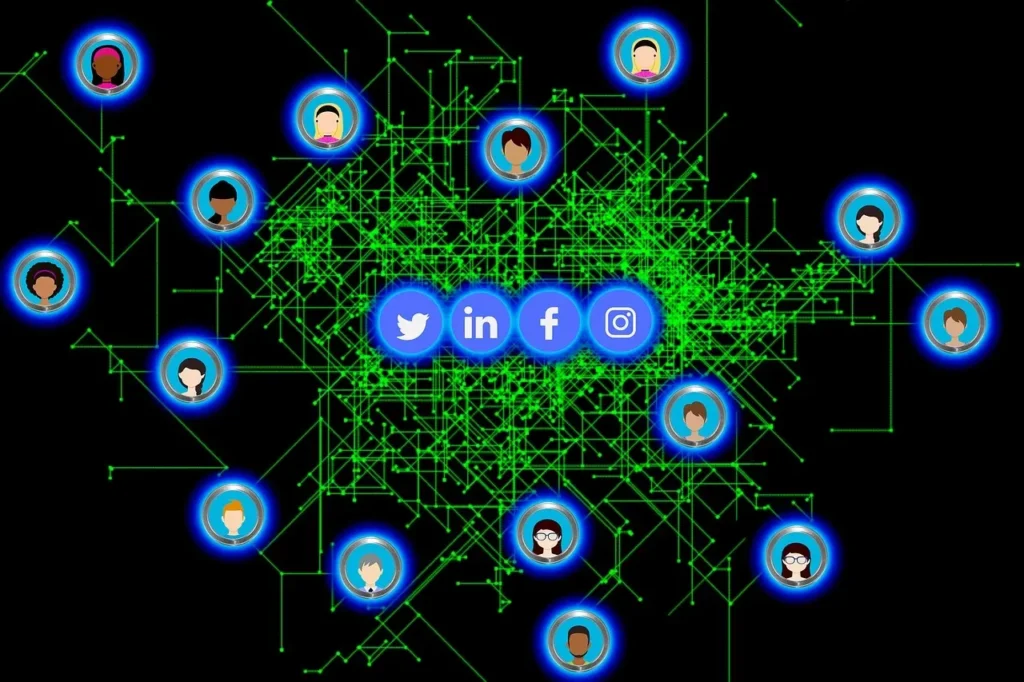
Humans are wired to copy each other because fitting in once meant survival, and that instinct never got the memo about credit cards. When you see what others buy, how they live, and what they show off, your brain treats those choices as clues about what’s acceptable or desirable. This is called social influence, and it drives a surprising amount of what ends up in your cart—online or offline.
There are two main forces at play: wanting to be right (informational influence: “If everyone’s buying this, it must be good”) and wanting to be liked (normative influence: “If I don’t join in, I’ll look weird or cheap”). Put those together, and suddenly your spending habits look a lot less “independent” than you thought.
How Friends Quietly Nudge Your Wallet
Your friends are one of the strongest forces on your spending, because they define what “normal” looks like in your immediate world. If your group treats weekly brunch, festivals, or constant outfit rotation as standard behavior, you’re far more likely to mirror those habits—even if your bank account lives in a different reality. Saying no is hard when “yes” is the social default.
Subtle peer pressure often doesn’t feel like pressure at all. It shows up as:
- “Come on, it’s just one night out.”
- “We’re all chipping in, it’s not that much.”
- “You have to get something, we’re all buying.”
Even the simple act of shopping with friends can change your decisions. Companions can encourage upgrades, reassure you that a splurge is “totally worth it,” or normalize buying things you didn’t plan to get. If you’re the “broke one” in the group, the internal pressure to keep up can be exhausting—and expensive.
Family Habits You Accidentally Inherited
Before friends and social media, your first money influencers were at home. You subconsciously absorb how your family talks about money, debt, shopping, and “deserving nice things,” then carry those scripts into adult life. If your parents celebrated with big purchases, you may associate spending with reward. If they fought about money, you might stress-spend or avoid looking at your accounts.
Family influences your spending by:
- Modeling what “normal” lifestyle standards look like (cars, vacations, gifts)
- Setting expectations around generosity (“We always buy big presents”)
- Passing down beliefs like “owning is better than renting” or “never buy anything full price”
Even as an adult, family can trigger big, emotional spending: weddings, holidays, gifts, and visits often come with unspoken rules. Saying no is tough when tradition or guilt are involved, so many people quietly stretch their budgets to avoid disappointing close relatives.
The Social Media Spending Trap
If friends and family set your baseline, social media turns the volume to maximum. Every scroll brings polished images of trips, outfits, gadgets, glow-ups, and “soft life” lifestyles that look suspiciously effortless. Your brain rarely sees the debt, stress, or selective editing behind the scenes; it just registers, “People like me have this. I don’t. Fix it.”
Three big social media forces hit your wallet:
- FOMO (Fear of Missing Out): Limited drops, flash sales, and “everyone’s going” events push you to spend now, think later.
- Influencers as “friends”: You feel like you know them, which makes sponsored recommendations feel like personal advice instead of ads.
- Comparison overload: Constant exposure to other people’s highlights raises your internal bar for what your life “should” look like.
Short-form content and frictionless shopping (tap-to-buy, swipe-up links) remove natural pauses that used to slow you down. The result: more impulse purchases, more “little treats,” and more end-of-month regret.
Social Norms That Make Overspending Feel Normal
A lot of modern spending isn’t about need—it’s about belonging. There are unspoken social norms that quietly tell you what you should own, wear, or experience to be considered “normal” or “doing well.” Things like:
- Having the latest phone “within reason”
- Going out on weekends instead of staying home “to save”
- Bringing gifts, buying rounds, or splitting bills evenly regardless of income
- Traveling regularly because “everyone does city breaks now”
These norms often live in phrases like “everyone has one,” “you have to go there at least once,” or “it’s not that deep, just buy it.” Questioning them can make you feel cheap, boring, or defensive, so most people don’t—they just spend.
Signs Your Spending Is Socially Controlled
You might think your purchases are purely personal, but check for these red flags:
- You spend way more in group settings than alone.
- You feel guilty or embarrassed saying, “I can’t afford that right now.”
- You buy things mainly so you don’t feel left out of conversations or photos.
- You often regret purchases right after social events or scrolling sessions.
- You feel pressure to hide how stressed you are about money.
If these feel familiar, your social environment is likely steering your wallet more than your actual goals are.
How to Take Back Control (Without Becoming a Hermit)
The goal isn’t to ditch your friends, block your family, and delete every app. It’s to shift from automatic spending to conscious choices.
Practical moves:
- Set “social budgets” in advance: Decide how much you can comfortably spend per month on outings, gifts, and events. When it’s gone, it’s gone.
- Use honest scripts: Practice lines like, “I’m on a budget this month, but I’d love to join for just a drink” or “I’m skipping this one to save, catch me next time.”
- Unfollow and curate: Mute accounts that constantly trigger comparison or impulse buying, and follow creators who talk about realistic lifestyles and money boundaries.
- Delay purchases: If something catches your eye because you saw it on someone else, wait 24–48 hours. If you still genuinely want it (and can afford it), then decide.
You don’t have to explain every financial decision, but you do have to live with the consequences. Building small boundaries now is easier than digging yourself out of quiet social debt later.
Turning Social Influence into a Superpower
Social influence isn’t always bad. The same forces that push you to overspend can also help you save and grow—if you flip the script. Surround yourself (online and offline) with people who:
- Talk openly and non-judgmentally about money
- Normalize saying no to expensive plans
- Share free or low-cost ideas for fun
- Celebrate financial wins like debt payoff or building savings
Join communities, group chats, or follow creators who make smart money habits feel normal and fun, not boring or restrictive. When your “default” social environment respects budgets, your spending naturally comes back in line without constant willpower.
Owning Your Choices in a Noisy World

Friends, family, and social media will always be part of your financial story, but they don’t have to write the ending for you. Once you recognize how quietly they shape your spending, you can pause, question, and choose instead of automatically swiping your card just to keep up. You’re allowed to enjoy nights out, trends, and treats—so long as they fit your goals, not everyone else’s expectations. In a world full of subtle pressure and loud highlight reels, real power comes from knowing what you want, what you can afford, and having the confidence to say “yes” or “no” on purpose.
Friends, family, and social media will always influence your spending—that part isn’t going away. But once you see how these hidden forces work, you stop being a passive passenger and start driving. You can still go out, still enjoy trends, still be generous—just on terms that match your reality, not someone else’s highlight reel.
FAQ: How Friends, Family, and Social Media Secretly Control Your Spending
Q: How do friends influence my spending?
Q: In what ways does family affect my money habits?
Q: How does social media make me spend more?
Q: Is all social influence on spending bad?
Q: How can I tell if my spending is socially driven?
Q: How can I stay social without overspending?
About the Author
Ana Milojevik is a writer and contributor at Quotela.net, a general-interest publication covering business, health, technology, travel, personal development, quotes, and digital trends. She enjoys researching practical topics and creating informative content that helps readers discover new ideas, insights, and useful perspectives.